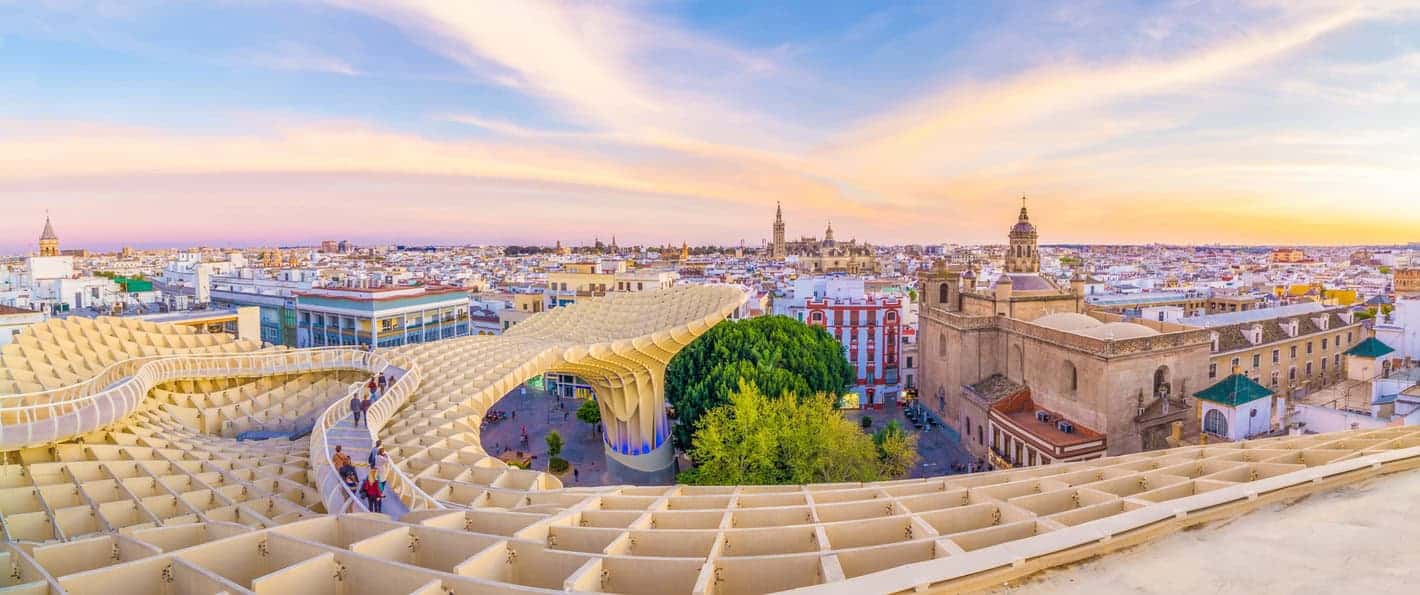
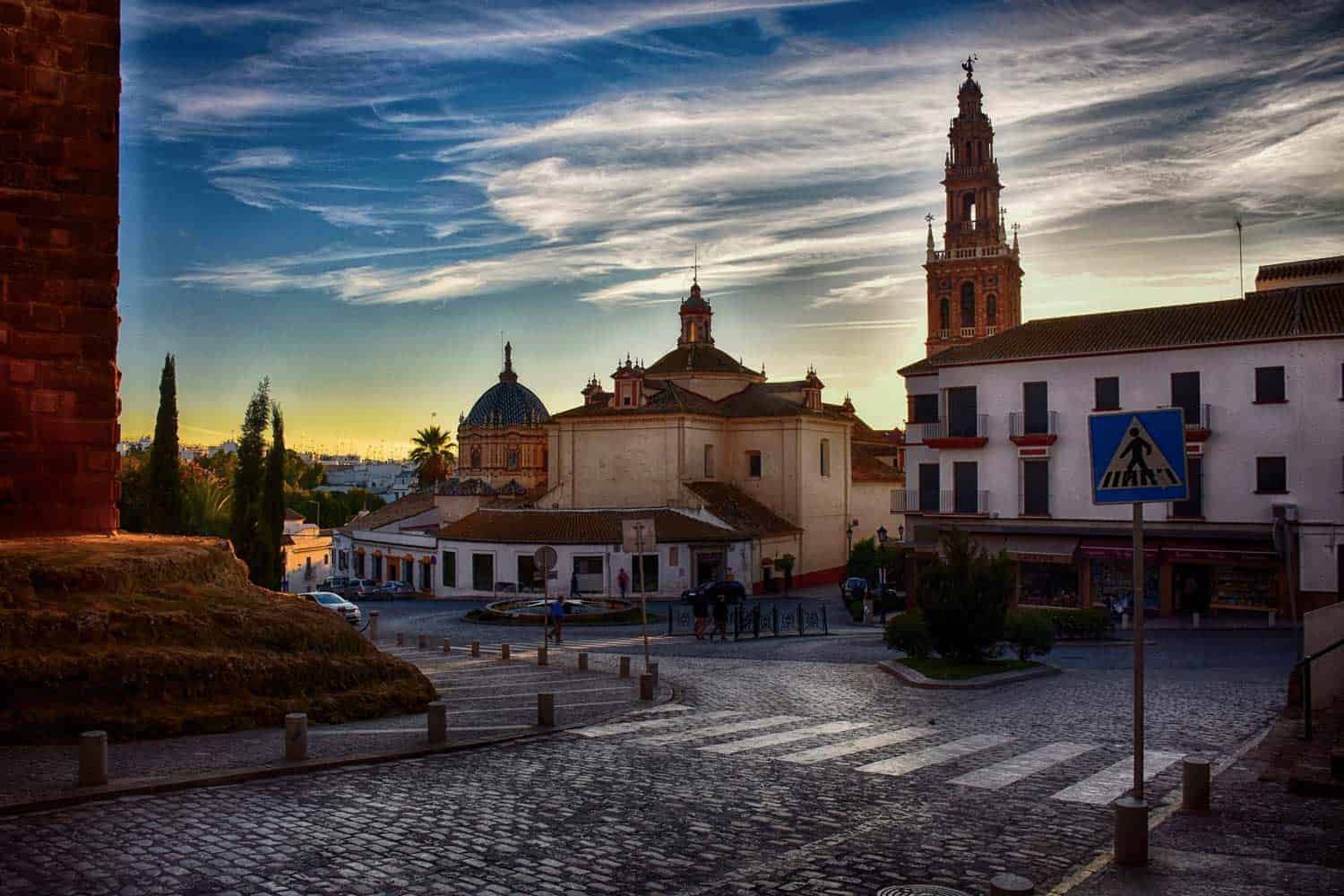
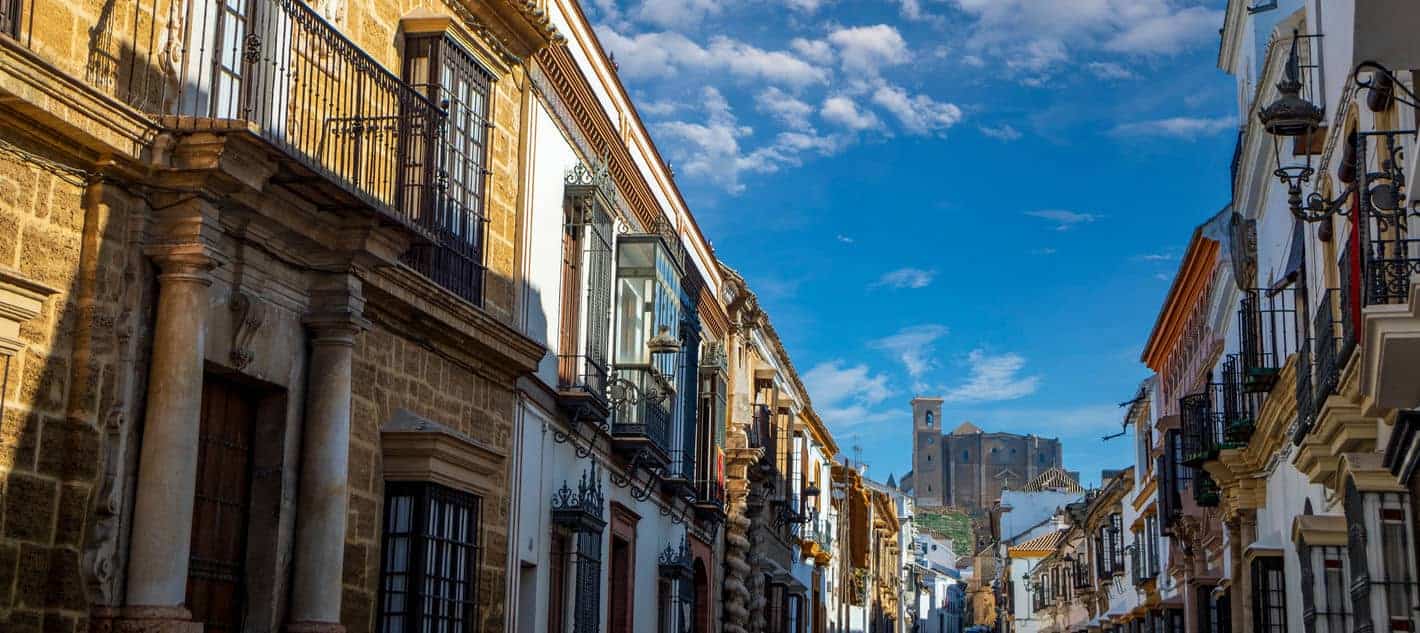
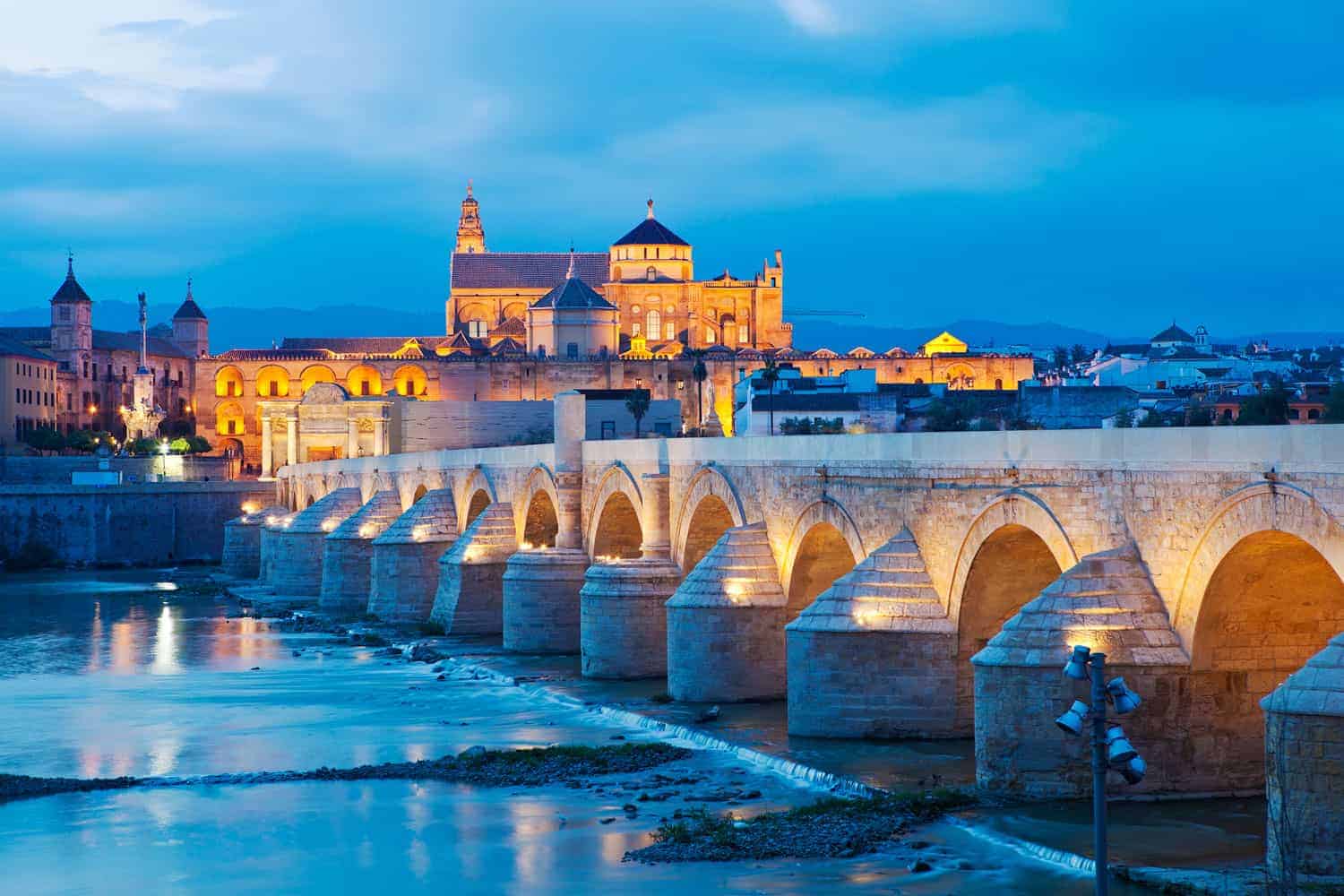
Ready to discover the undisputed queen of the whole Andalusia region? In this guide dedicated to Seville you will find a wide range of information about the city, from geographical, historical and cultural details to tourist information; a complete resource for planning a trip to Seville (with advice on attractions, itineraries, neighbourhoods, hotels, restaurants, etc…) or simply to learn more about one of the most beautiful and visited cities in Andalusia.
Contents
Geographical information
Where is Seville
Seville is located in the autonomous community of Andalusia, of which it is the capital, and which forms the southernmost area of Spain. Andalusia is also the largest region in Spain, and other important cities are found there, such as Granada, Malaga, Cordoba and Cadiz, as well as beautiful towns and enchanting beaches.
How big is it?
The area on which the city stands is 54 square miles, but the province of Seville covers an area of over 5,400 square miles.
At what altitude is it?
It is situated at just 7 metres above sea level. Its location also affects the climate.
How many inhabitants does it have and what are they called?
Seville is a city of almost 700,000 inhabitants, known as sevillanos in Spanish. Since the period of Arab rule, it has been one of the most populous and important cities in Spain.
Does it have the sea / How far is it from the sea?
Seville is not on the coast; the sea is about 37 miles away as the crow flies. The nearest beach is near Huelva, around 62 miles and an hour’s drive from Seville.
What is the name of the river on which it stands?
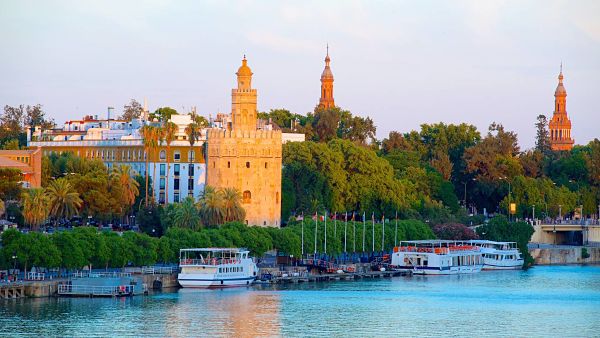
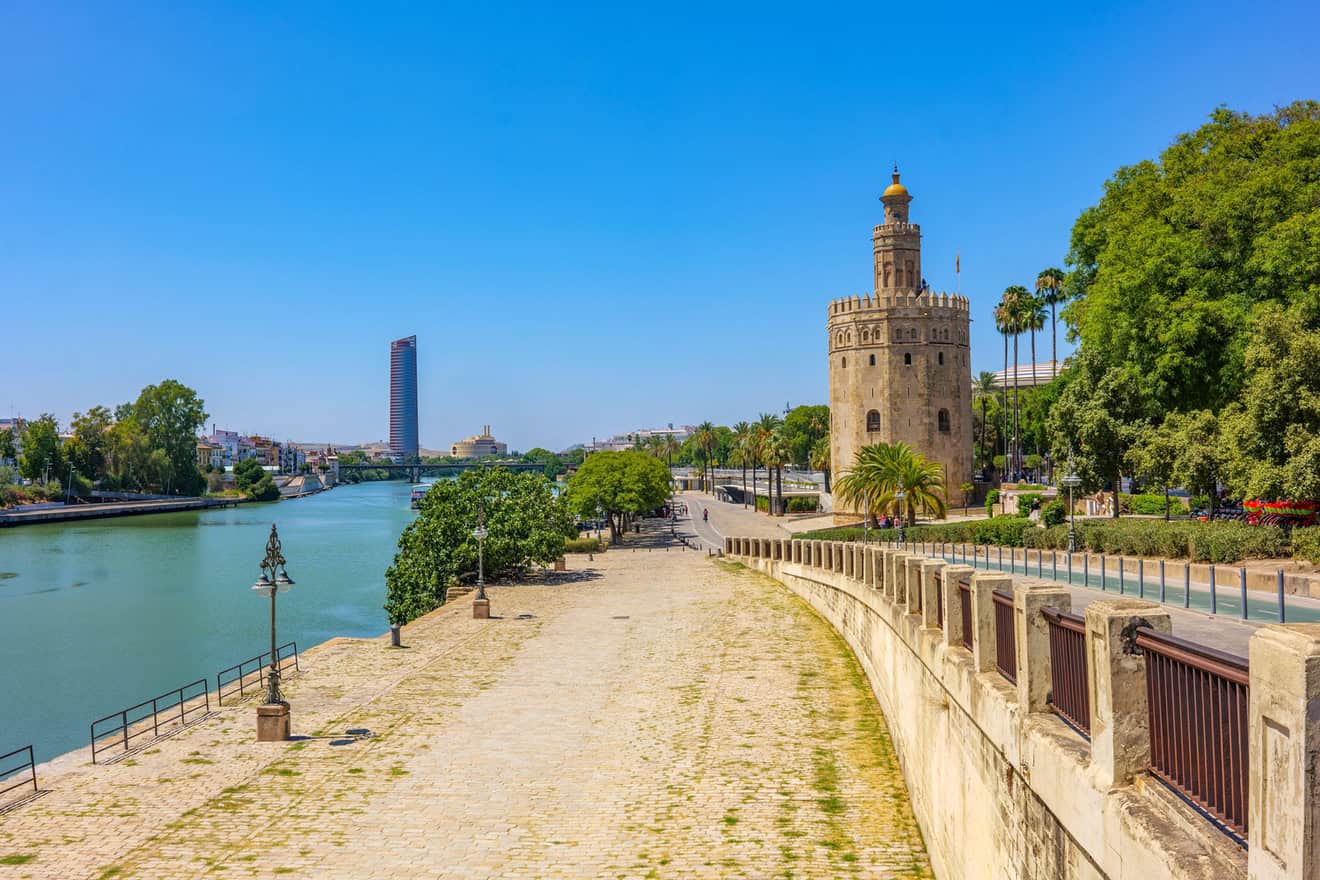
Seville is crossed by the Guadalquivir river, whose basin gives rise to the great valley that is also home to Cordoba, which is likewise crossed by the Guadalquivir. Beyond Seville, the river flows into the Atlantic Ocean, creating a broad delta, now protected within the boundaries of Doñana National Park.
Climate in Seville and maximum temperatures in Seville
Seville has a Mediterranean climate, but with a particularly hot and dry summer: during the summer months it is on average the hottest city in Europe. In July it is easy to reach 40°, and a record of 47.4° has been recorded. Winter is never too severe, and January temperatures, the coldest month of the year, range on average between 5° and 15°. Autumn is the wettest season, but even in December, the month with the highest rainfall, there are on average only 8 rainy days and 100 mm.
Tourist information
How to get there
Seville is located in the south-west of Spain. It can be reached directly by plane from UK. Referring to the capital Madrid, the two cities are well connected by train and the high-speed service takes just 2 and a half hours, while by car it takes about 5 hours’ driving. All Andalusian cities, and Spanish cities in general, are also well connected to Seville by public transport. In Andalusia, however, rather than the train it is usually better to use long-distance buses, which are cheaper than trains and often also faster, especially where there is no high-speed line.
If you are travelling on a road trip through Andalusia, Seville is 75 miles and around 1 hour 20 minutes from Cadiz, 81 miles and around 1 hour 45 minutes from Cordoba, 124 miles and around 2 hours from Malaga, and 155 miles and around 2 and a half hours from Granada.
Airport/where to fly from
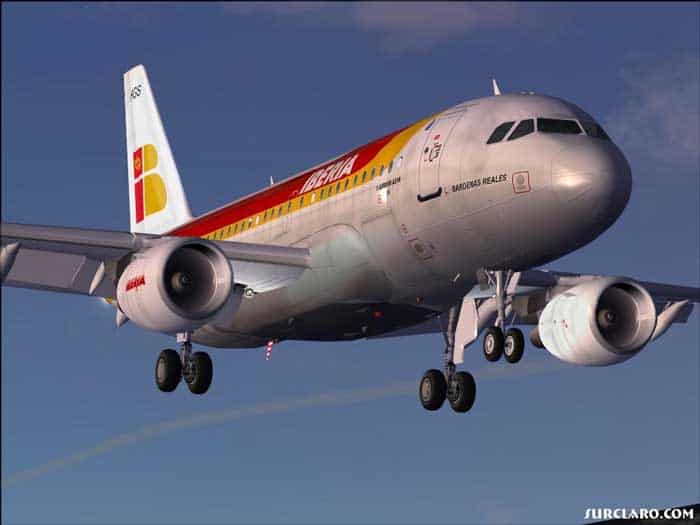
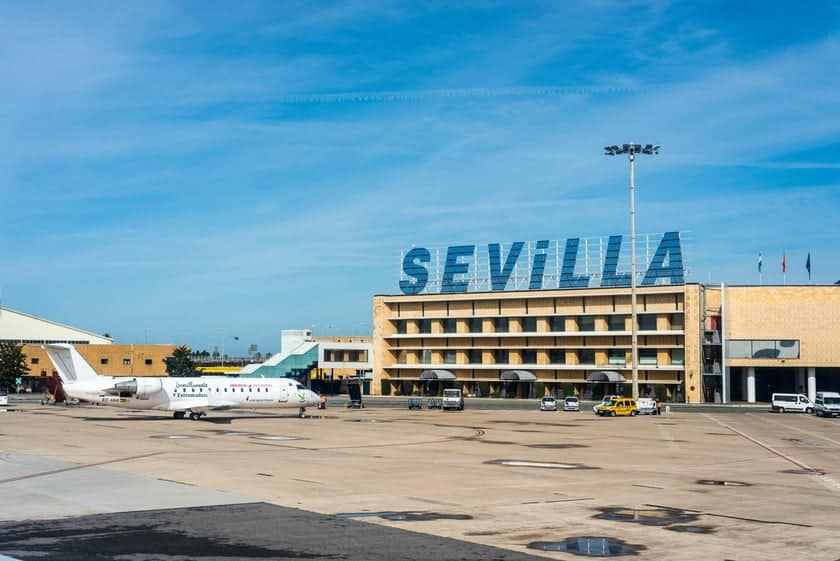
Seville Airport is well connected with the UK, with direct flights from several British cities. London has the widest choice, with services from Gatwick, Heathrow, Luton and Stansted, while direct flights also operate from airports such as Manchester, Birmingham, Bristol, Liverpool and Edinburgh, depending on the season. Connections with a stopover, usually via Madrid or Barcelona, are also available from other UK airports.
From the airport, you can travel to the city centre by direct bus, which takes just 35 minutes. Alternatively, you can take a taxi or hire a car.
How to get around
If you are planning a road trip in Andalusia, you can hire a car in Seville or arrive here from another city in the region. In either case, the car will be useful for some journeys, but the city’s historic centre can be explored on foot without any problems. A good alternative to using your own two feet is the bicycle, which can be hired in the city. In any case, we can say that Seville is a human-scale city, so if you are staying in the historic centre you will not need to use many forms of transport.
There is no shortage of tourist buses and special means of transport such as the horse-drawn carriage or the river cruise, but alongside these there is a good network of regular public transport.
Where to park
If you are travelling by car and your hotel does not include garage parking in the room rate, or if you need it anyway to get from one side of the city to the other, below you will find some car parks in Seville which, in our experience, are very convenient:
Public transport
There are various types of public transport you can use for getting around the city. The main one is the bus, which serves every part of the city and allows you to get easily from the neighbourhood where you are staying to all the points of interest and monuments in Seville.
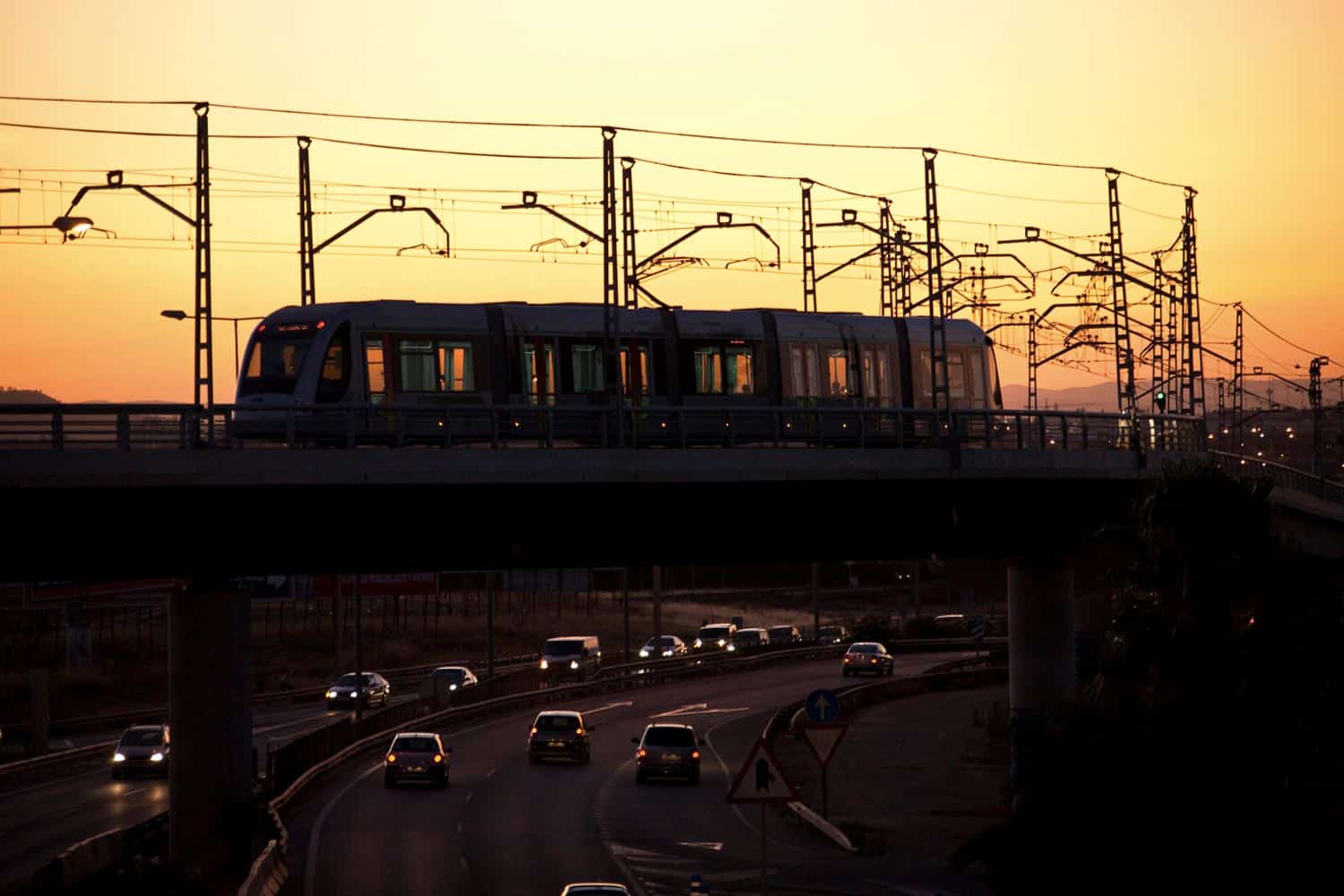
The Metro, by contrast, is less extensive and currently offers only one line, as does the Metro-Centro, which also has just a single line in operation.
What is it famous for?
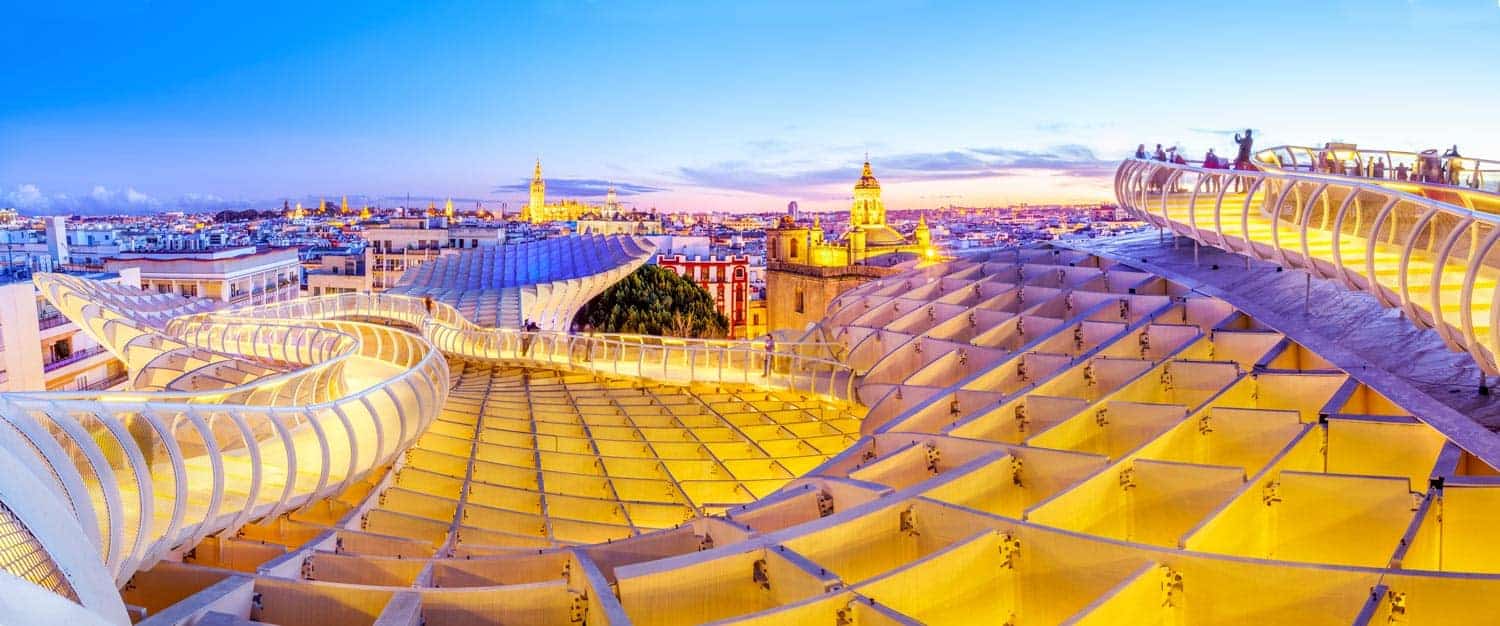
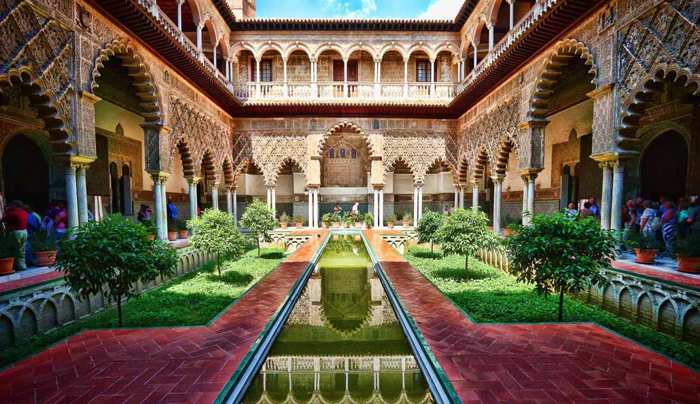
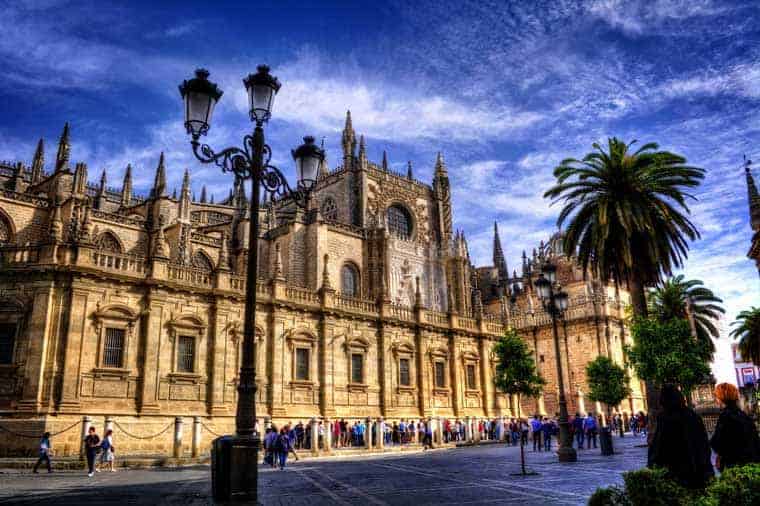
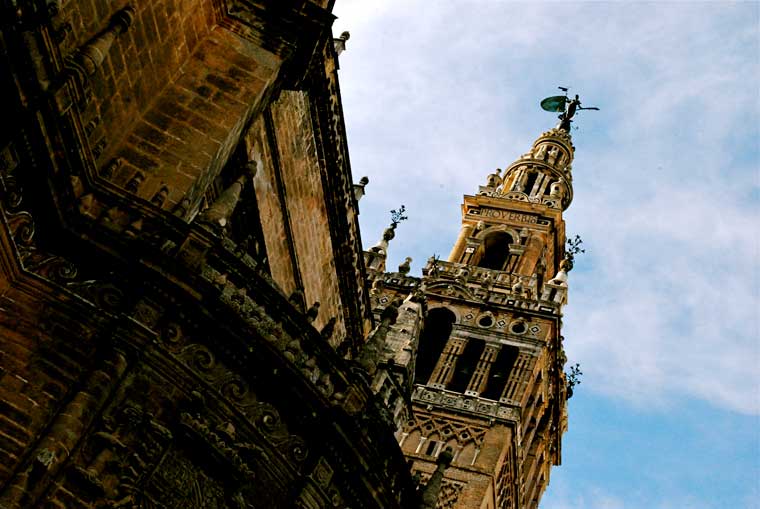
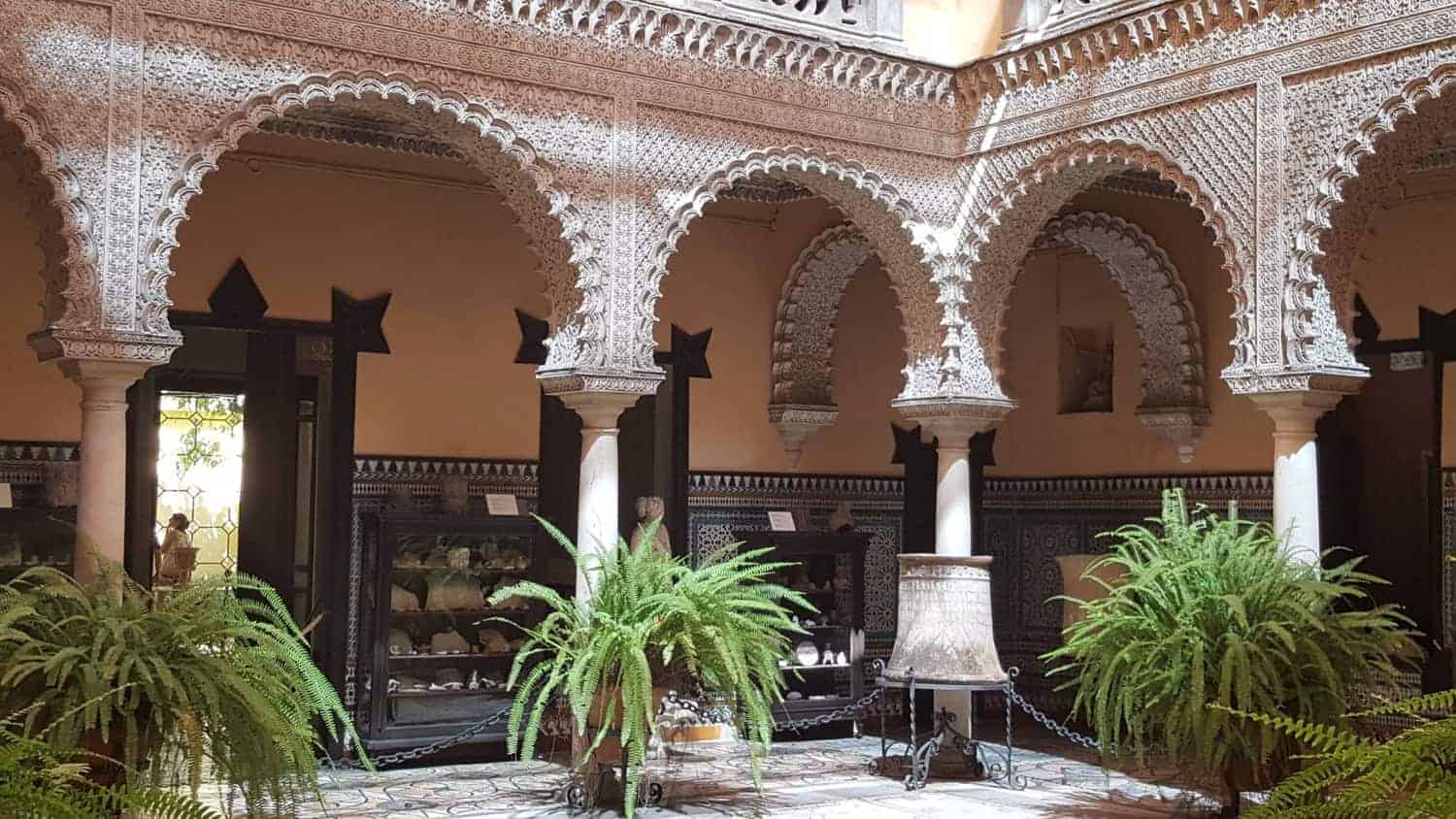
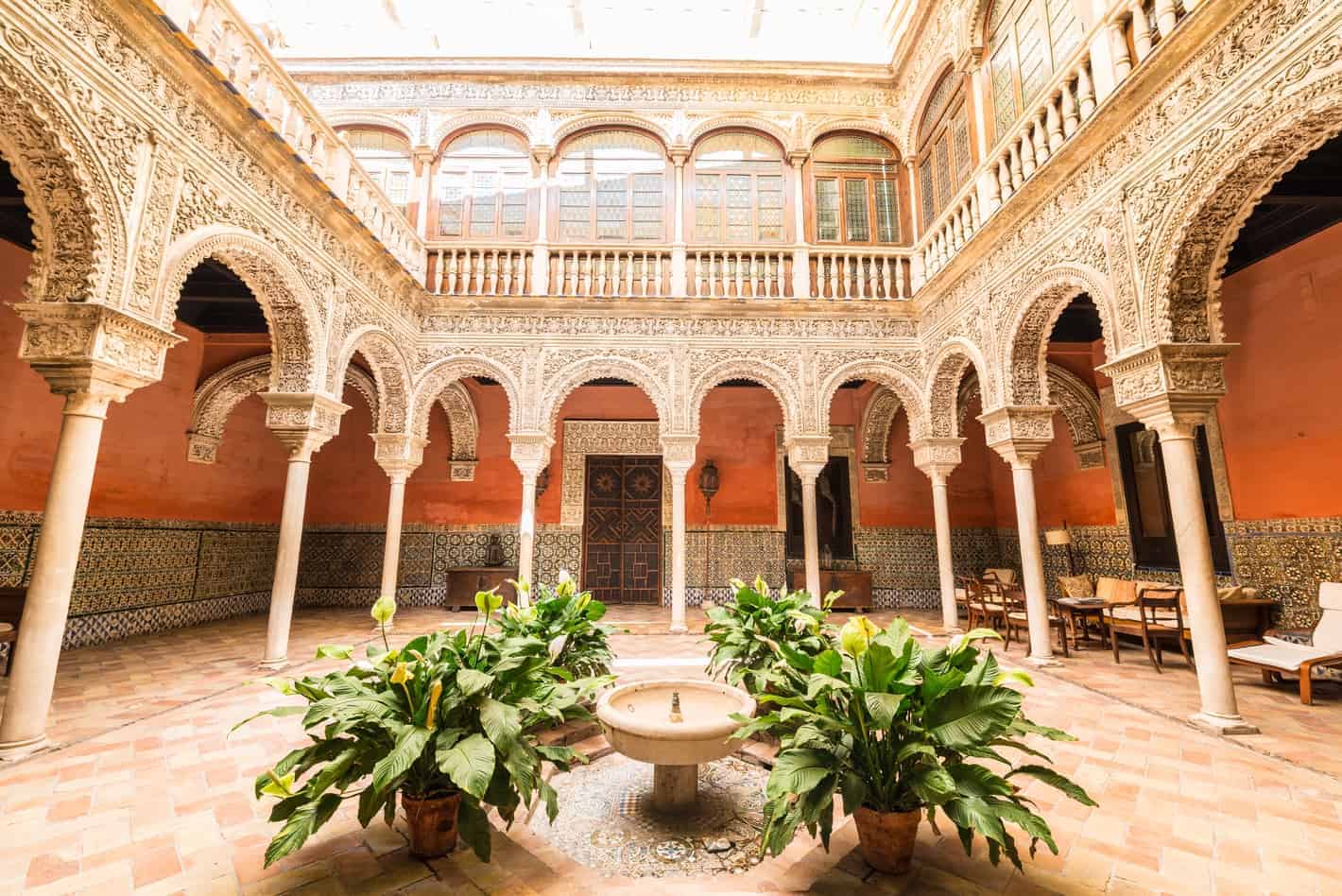
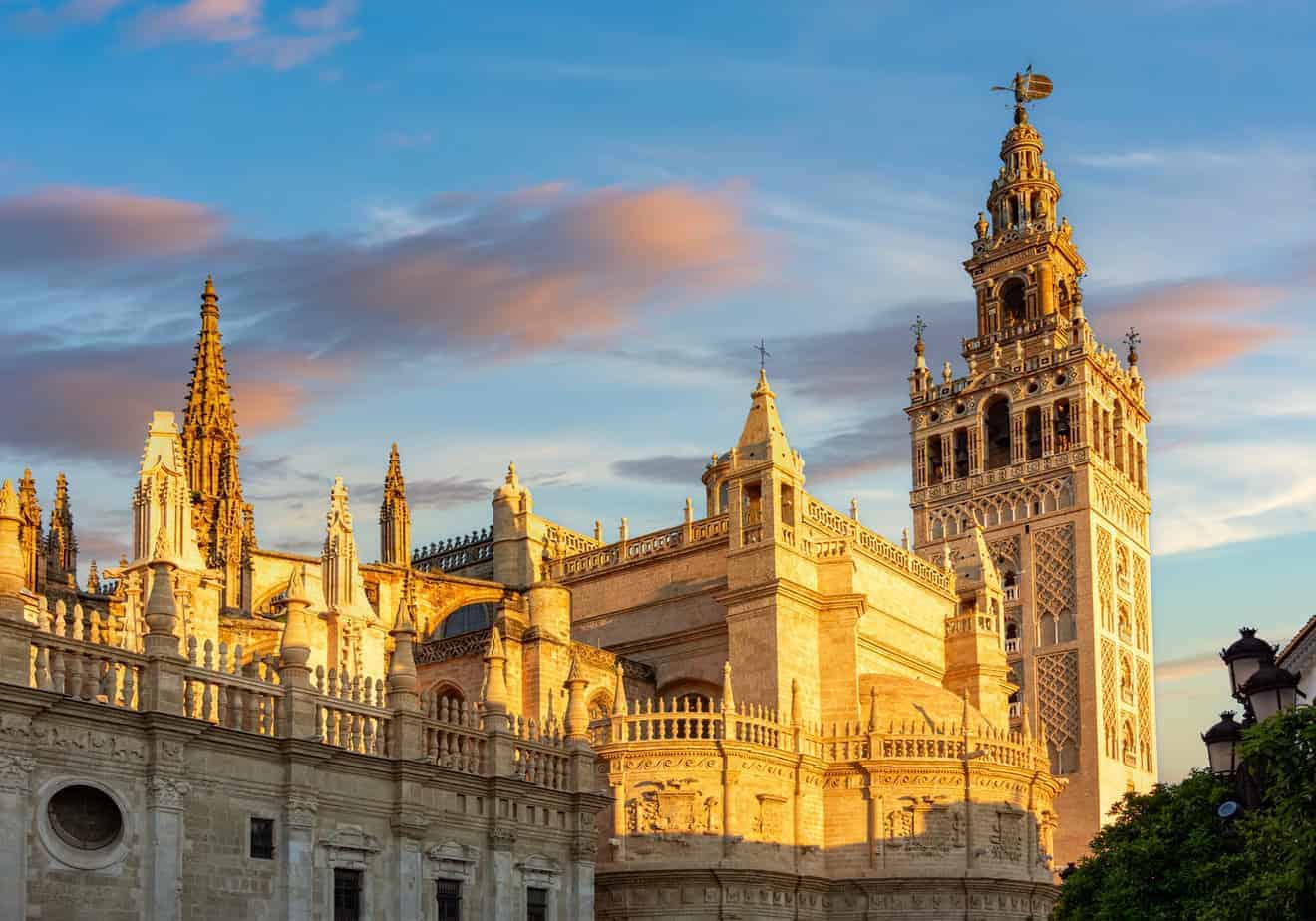
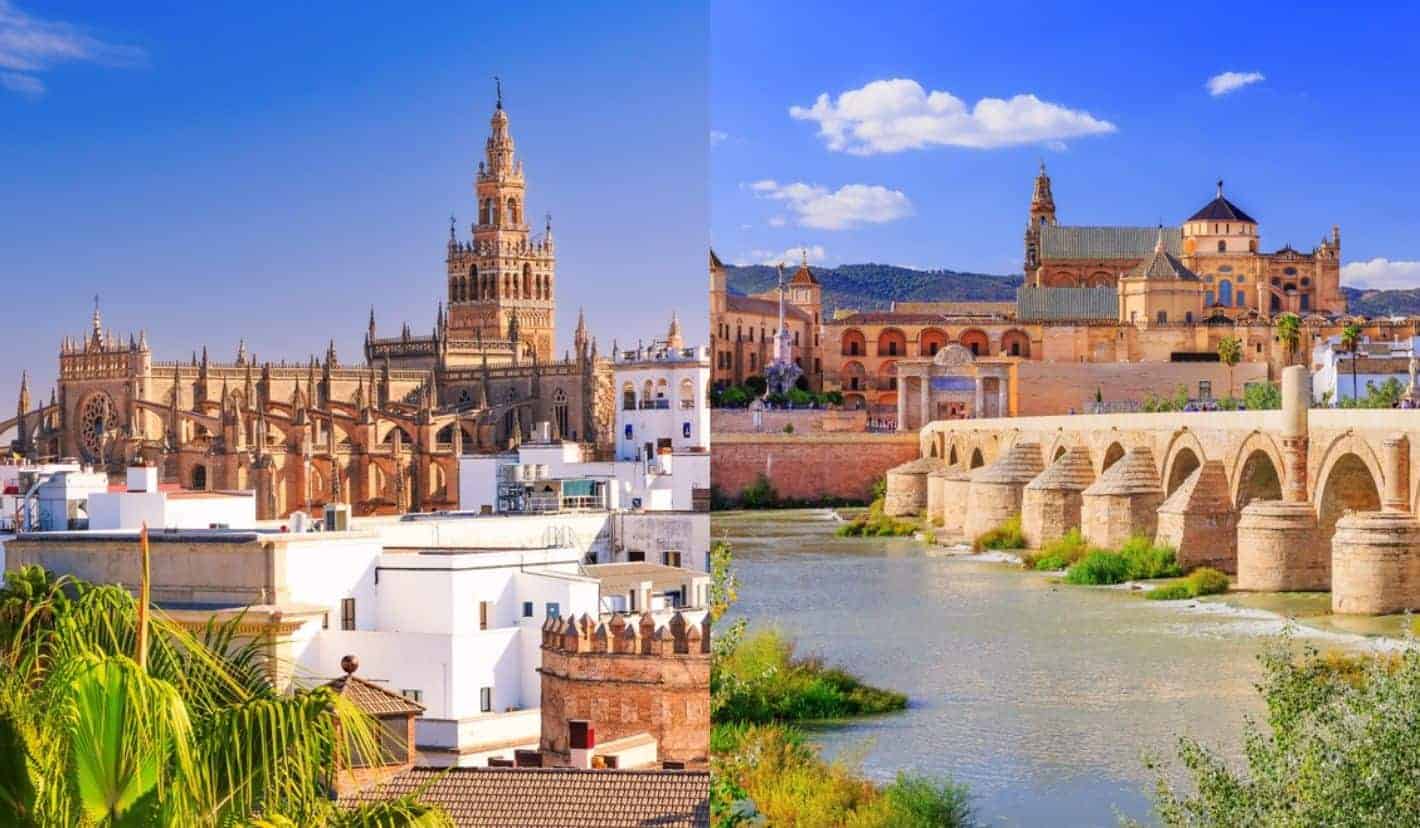
Seville is undoubtedly one of the most fascinating cities not only in Spain, but in Europe. Here Spanish culture blends with the legacy of Arab rule, and this can be seen in the architecture, as well as in the food, music and traditions. If Arab architecture stands out in the historic palaces, and in particular in the wonderful Alcazar, Catholic Hispanic architecture has as its crowning glory the Gothic cathedral, with its unmistakable Giralda, which also houses the tomb of Christopher Columbus.
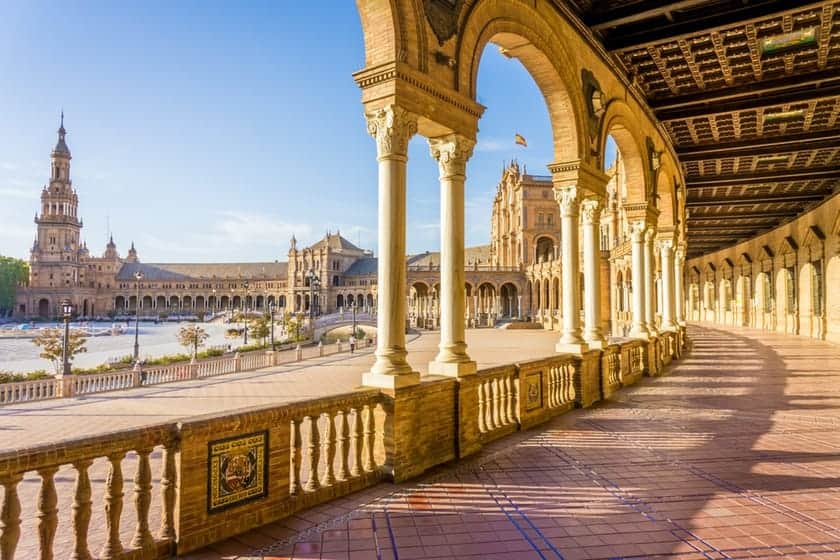
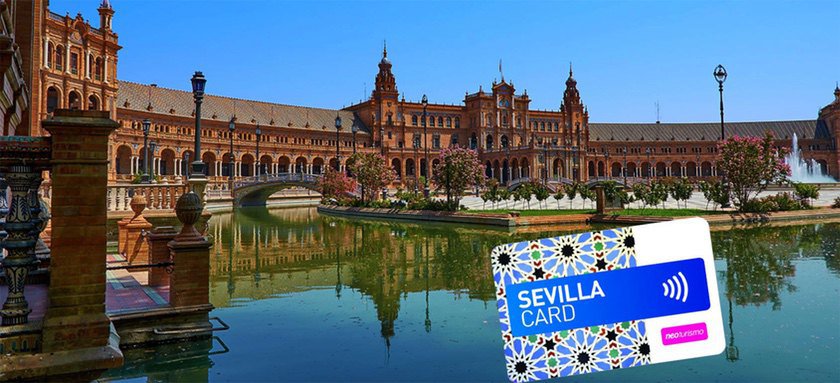
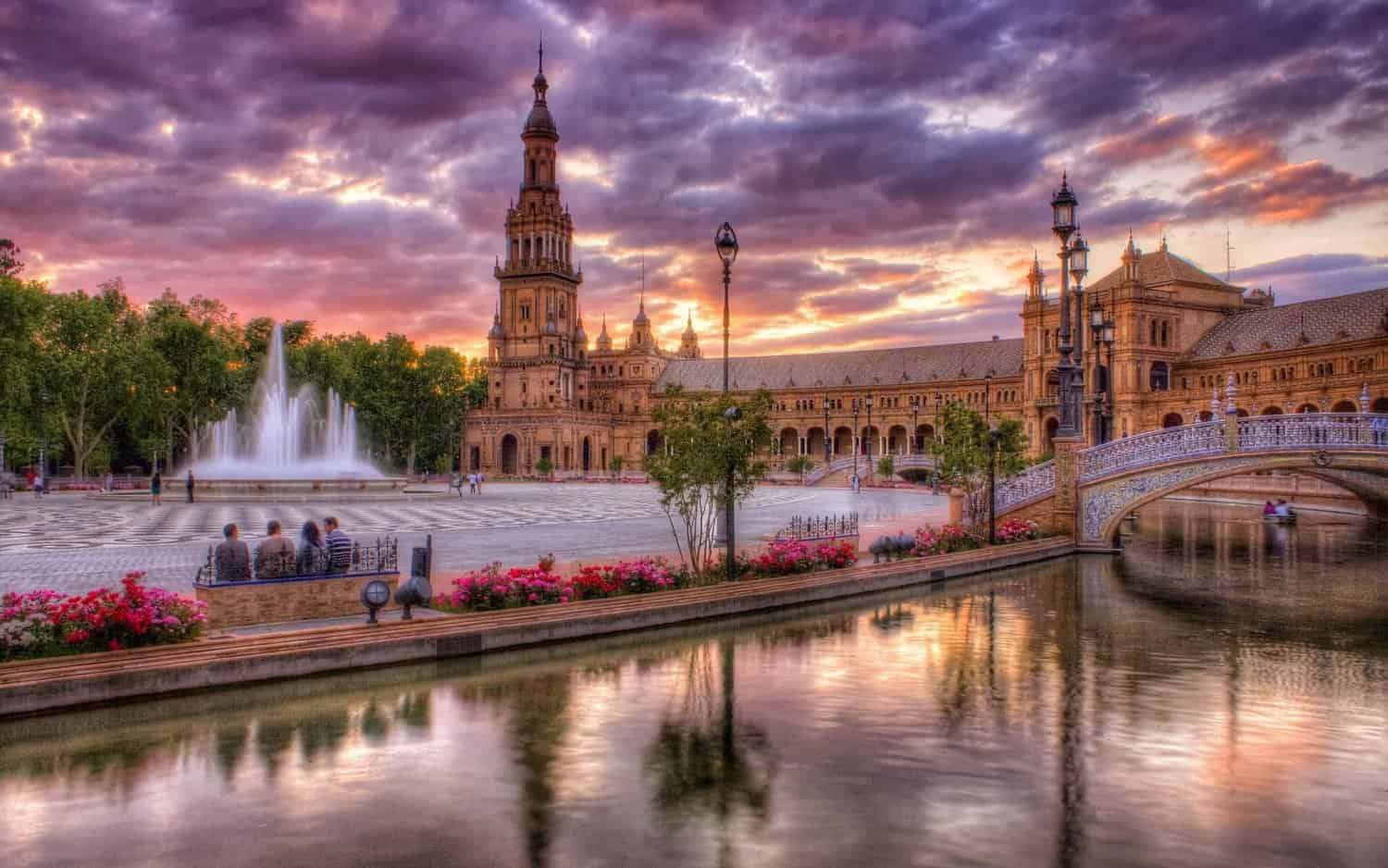
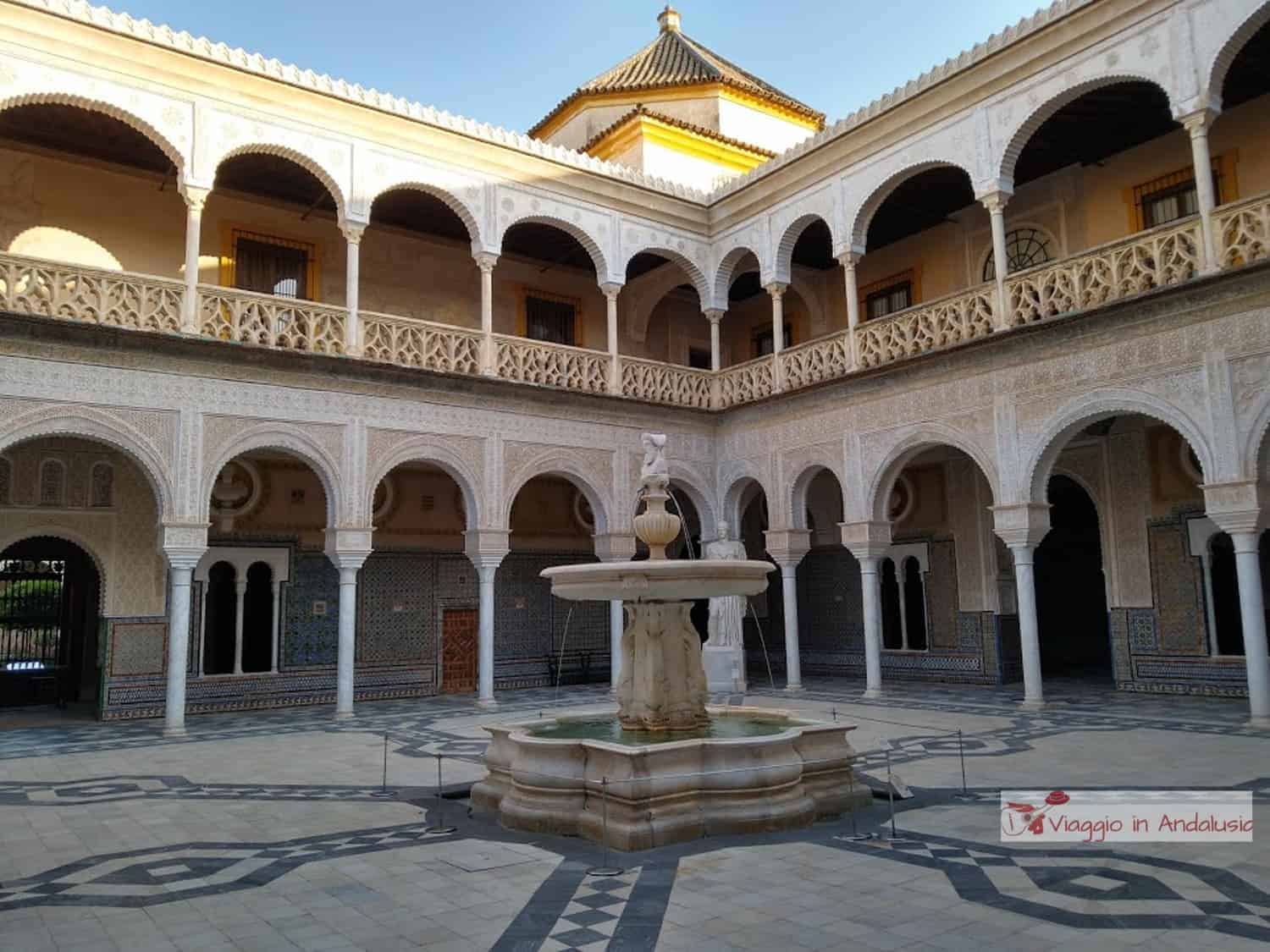
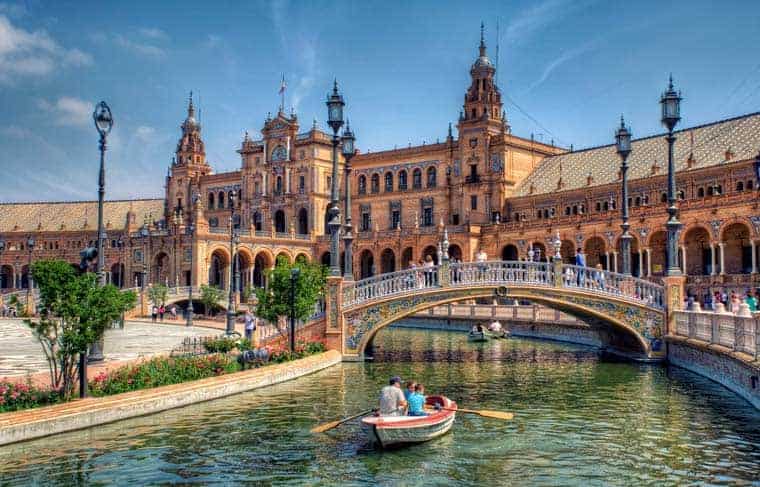
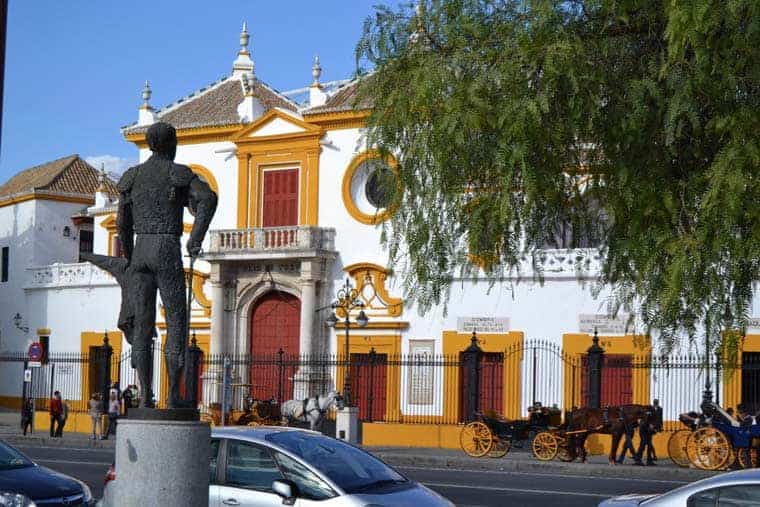
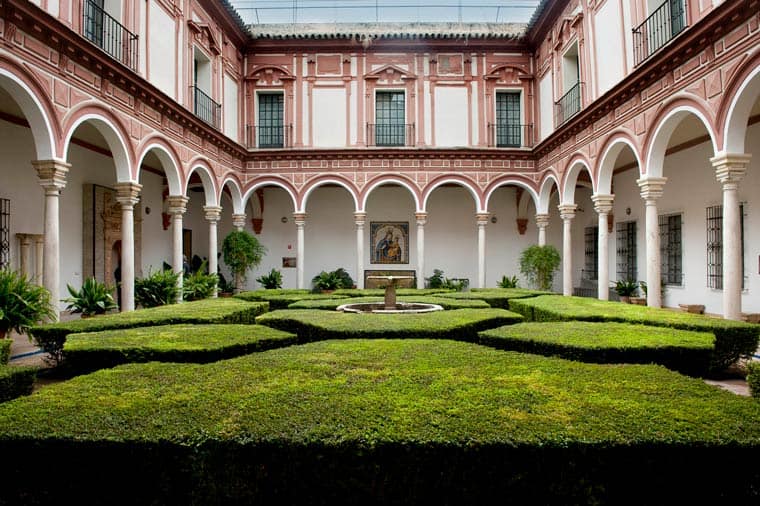
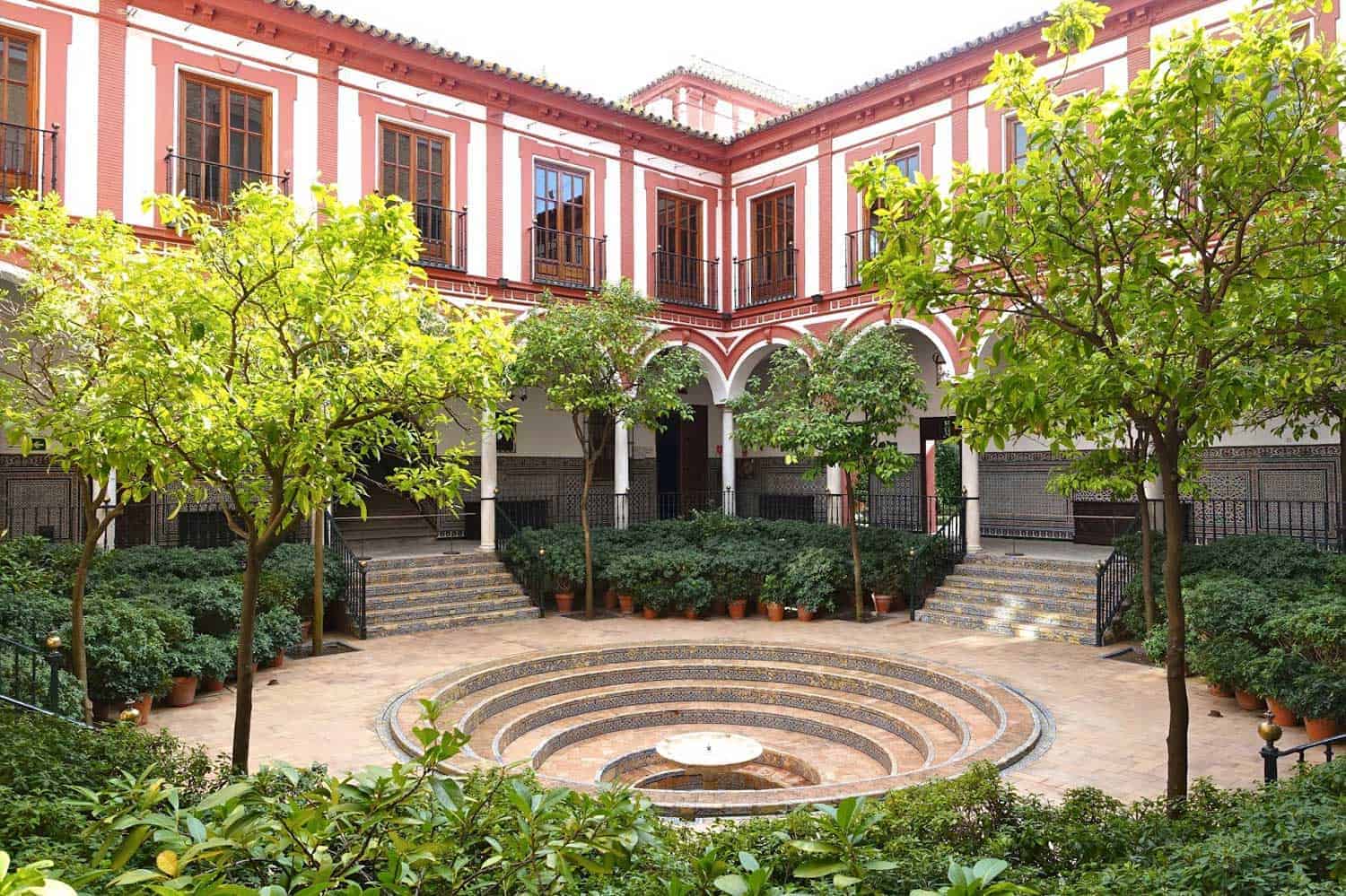
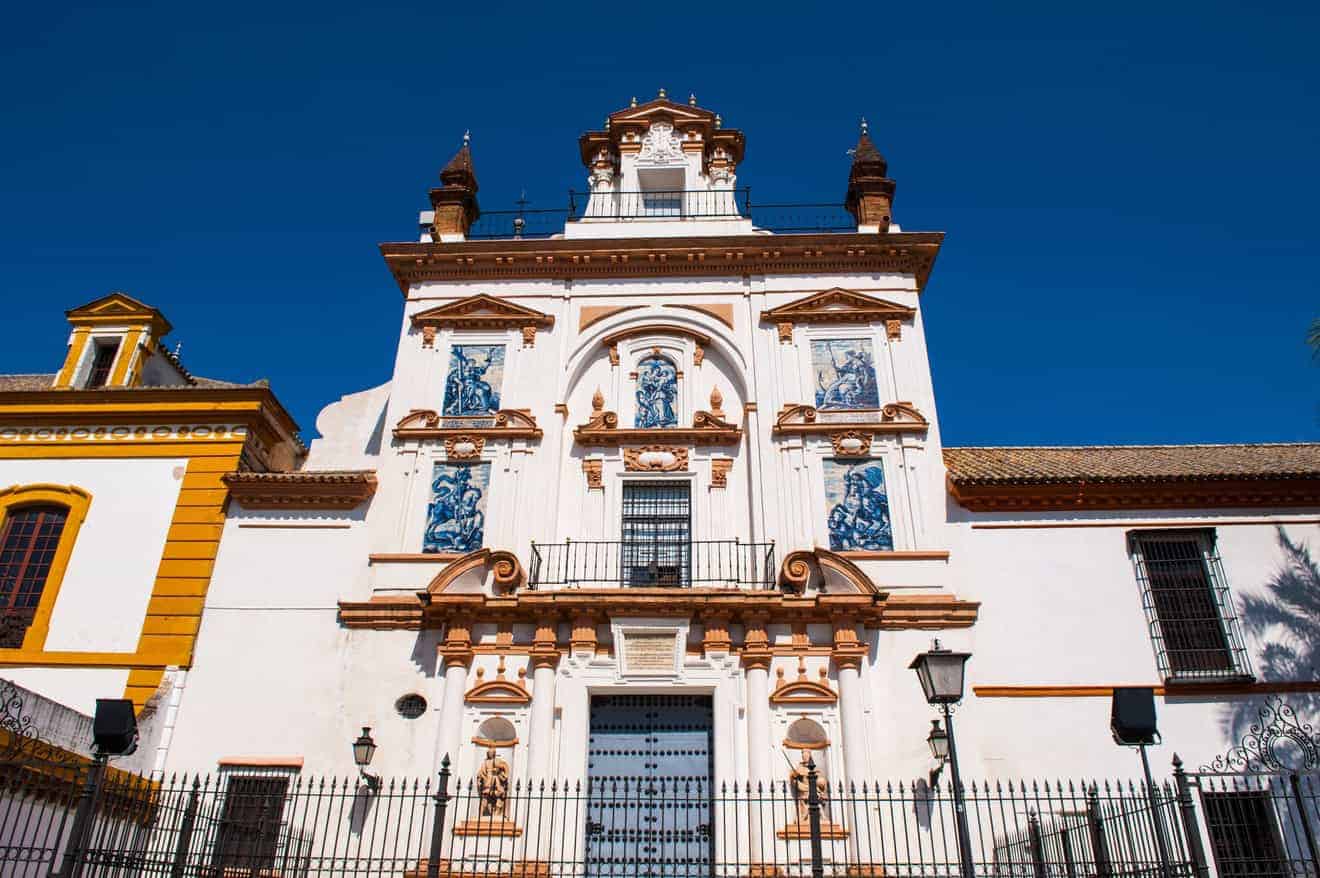
The Museo de Bellas Artes, the Plaza de Toros, the Hospital de los Venerables, the Casa del Pilatos are just some of the places not to be missed during a visit to the city. But Seville is also lovely to explore on foot, to immerse yourself in its distinctive neighbourhoods, to admire its parks and squares such as the enchanting Plaza de España, which never fails to appear on postcards, and to experience Andalusian life through, perhaps, a flamenco show. And don’t forget to look for places connected to The Barber of Seville, to step inside one of the most famous operas in real life.
Important festivals and other events
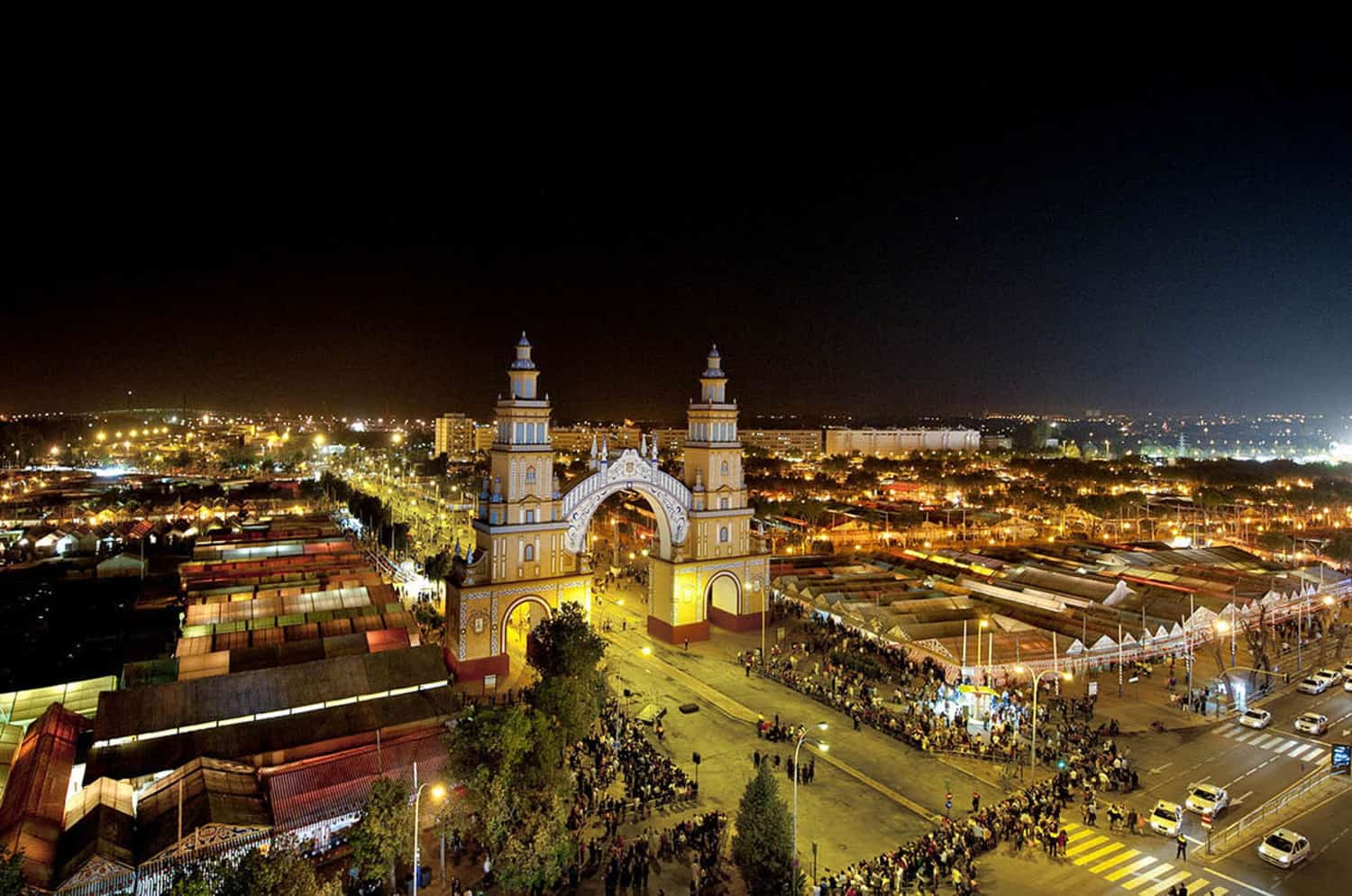
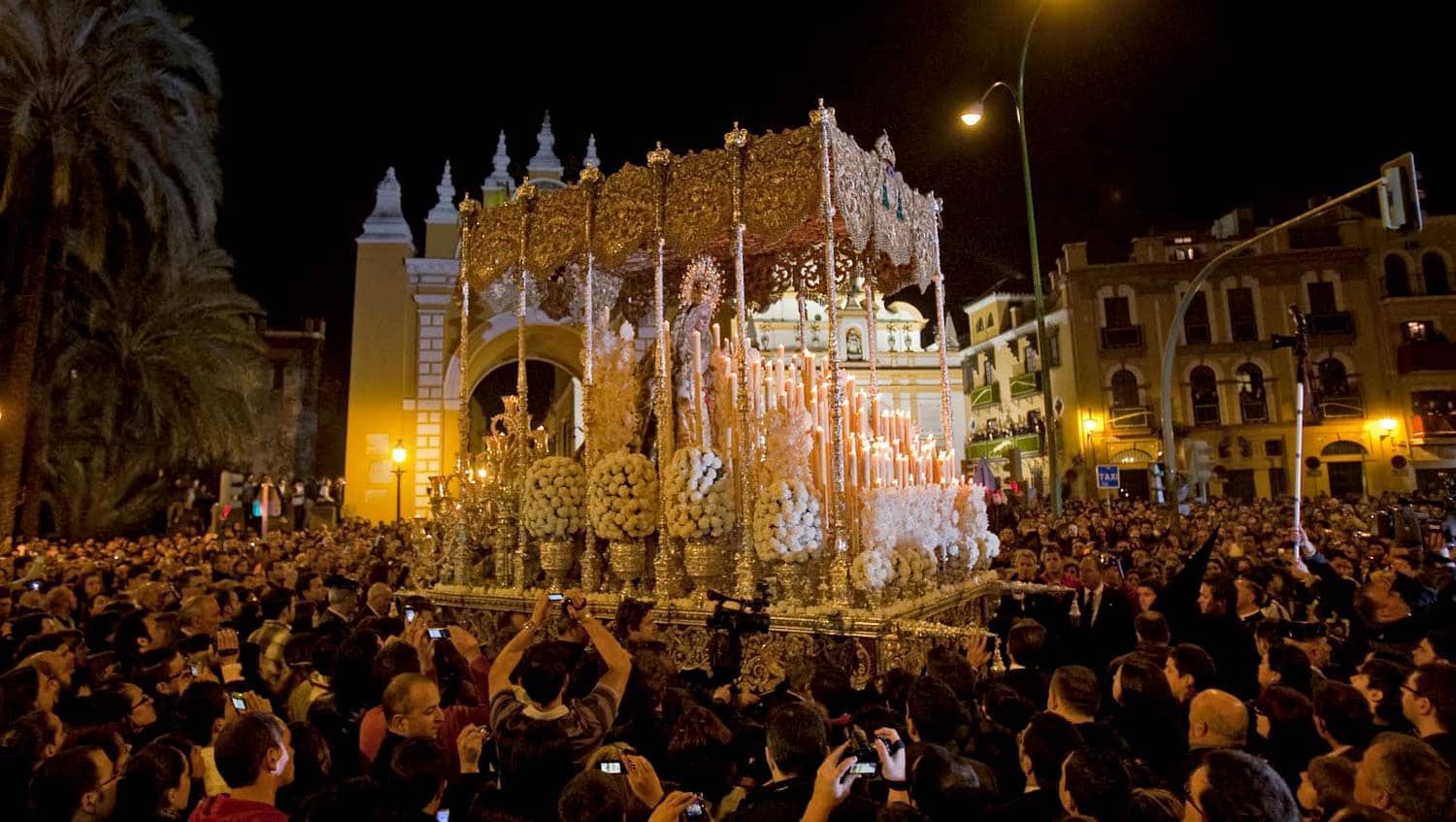
In Seville, Easter celebrations are among the most atmospheric you can witness, so Semana Santa is certainly one of the times to bear in mind if you want to immerse yourself fully in city life during one of its peak periods. The same goes for the Feria de Abril, a city festival that is an absolute must for anyone looking to see the city at its liveliest. Winter is also worth considering when it comes to celebrations: Christmas and New Year are times when the city dresses up for the occasion.
Flamenco
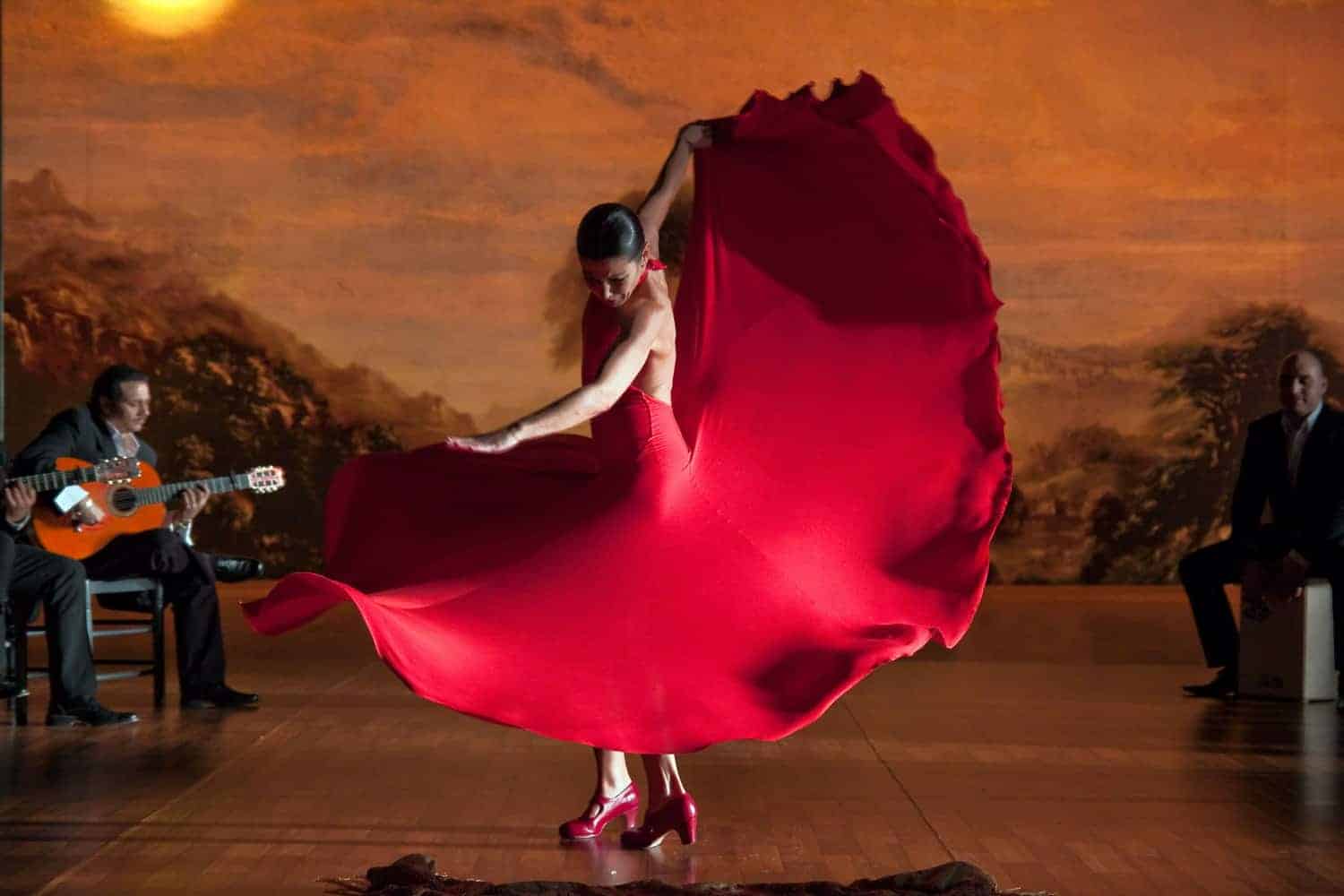
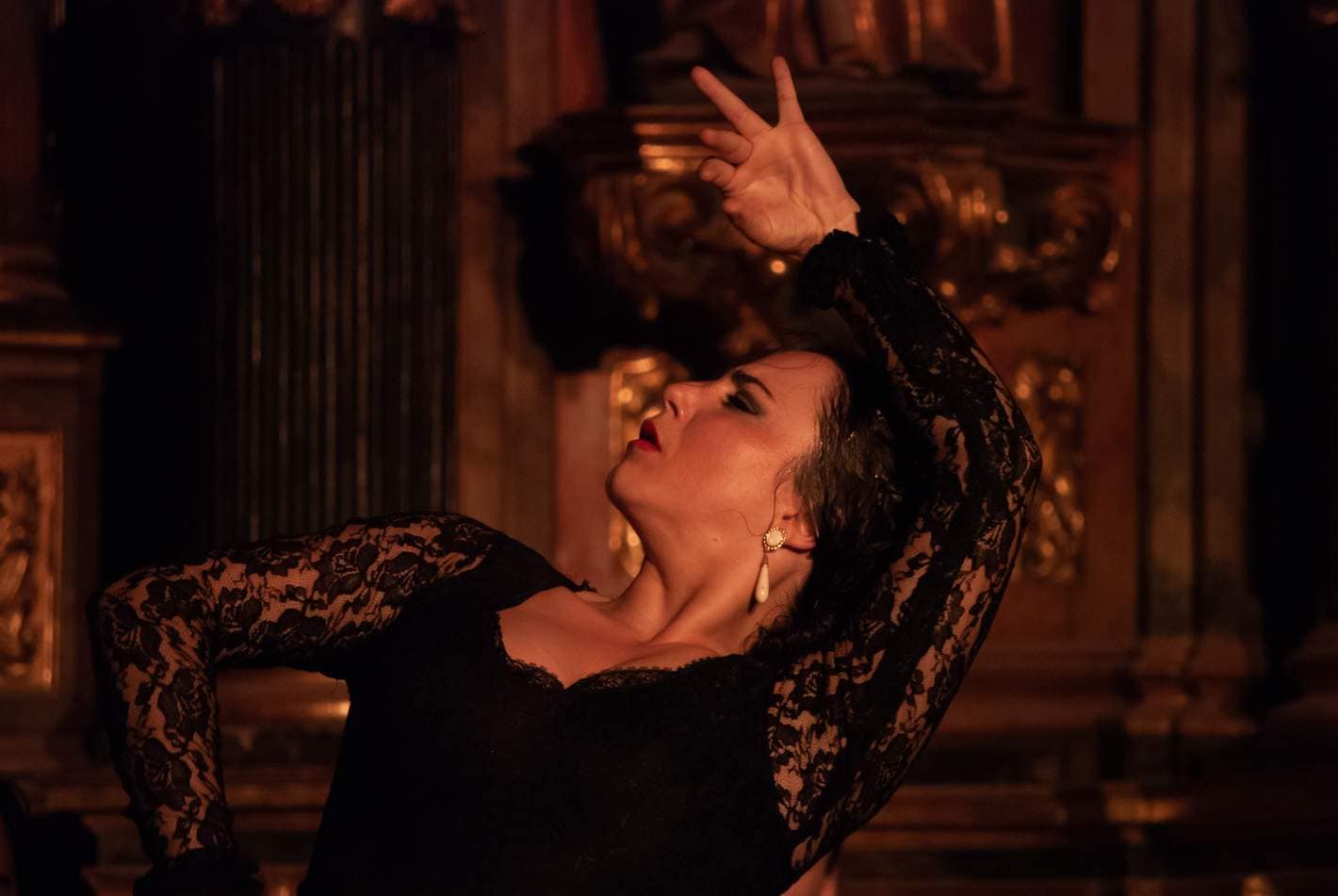
Since 2010, Flamenco has been declared an Intangible Cultural Heritage of Humanity. Although it is often associated only with dance, what we are talking about is a much broader art form that permeates Andalusian culture. There is flamenco sung only, flamenco accompanied by guitar, and flamenco where music blends with dance. In Seville, flamenco finds endless opportunities to be performed: at almost every traditional Sevillian event and festival it is possible to watch flamenco performances, and on any other day of the year you only need to visit one of the many themed venues to hear heels tapping out the rhythm of the guitar. Barrio Santa Cruz is the city district that has historically claimed paternity of flamenco, and it is here that you will find the widest choice of places where you can watch a show.
Neighbourhoods
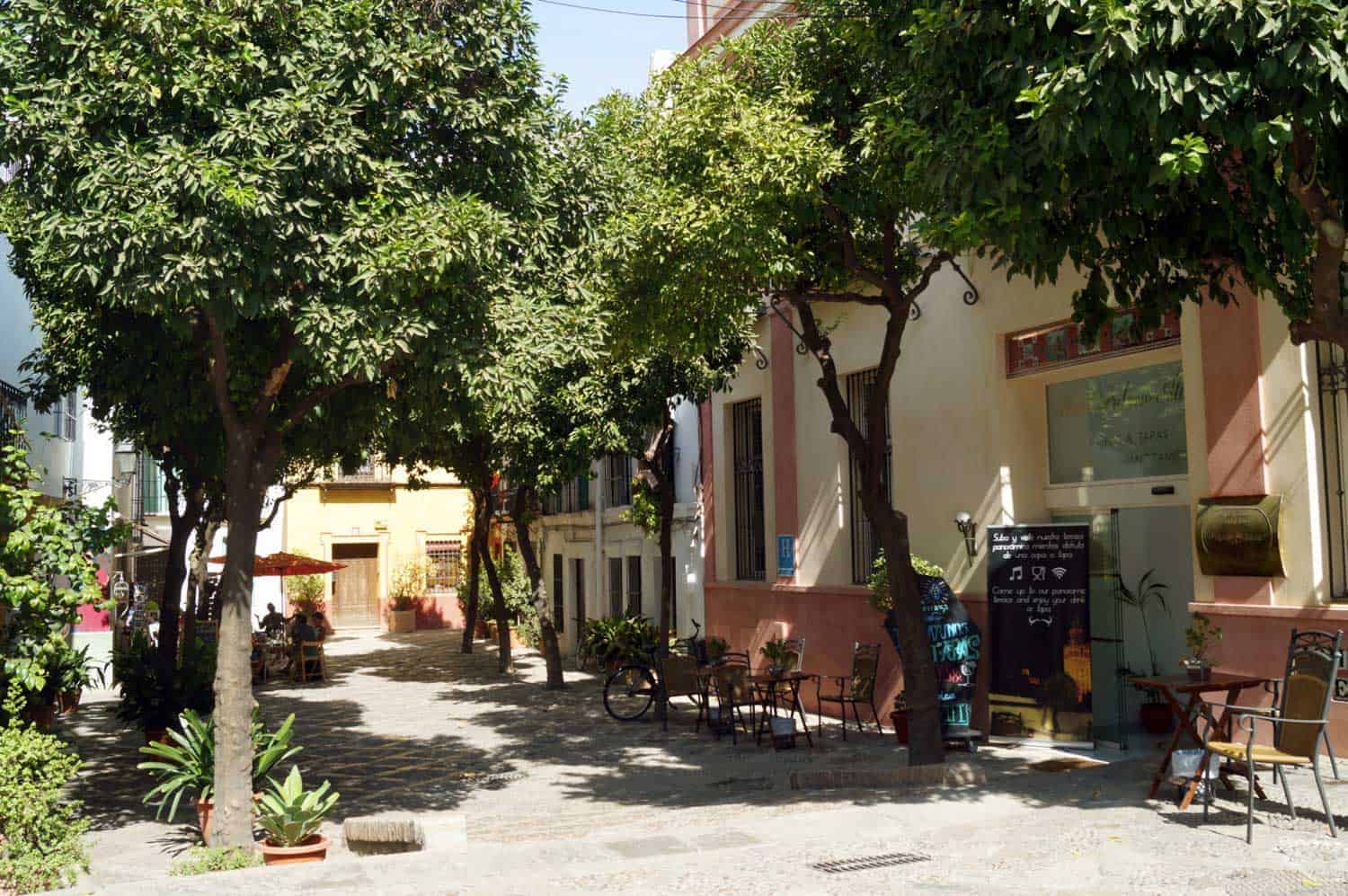
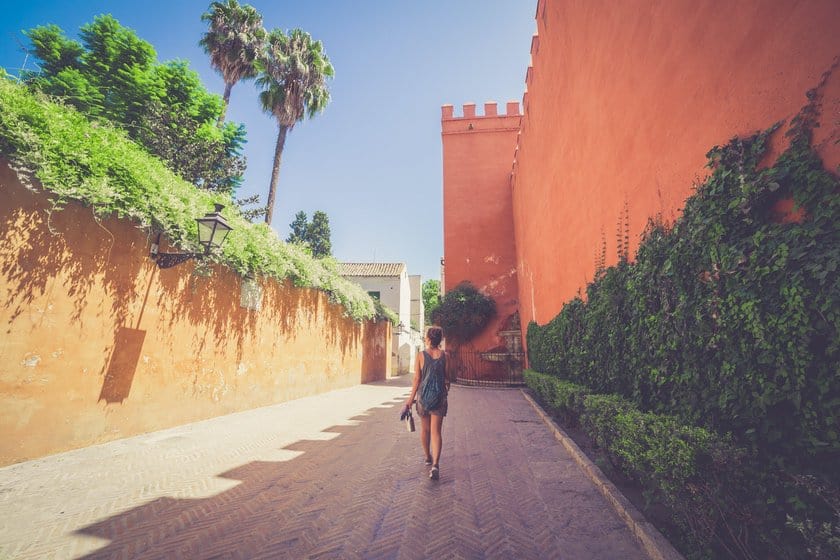
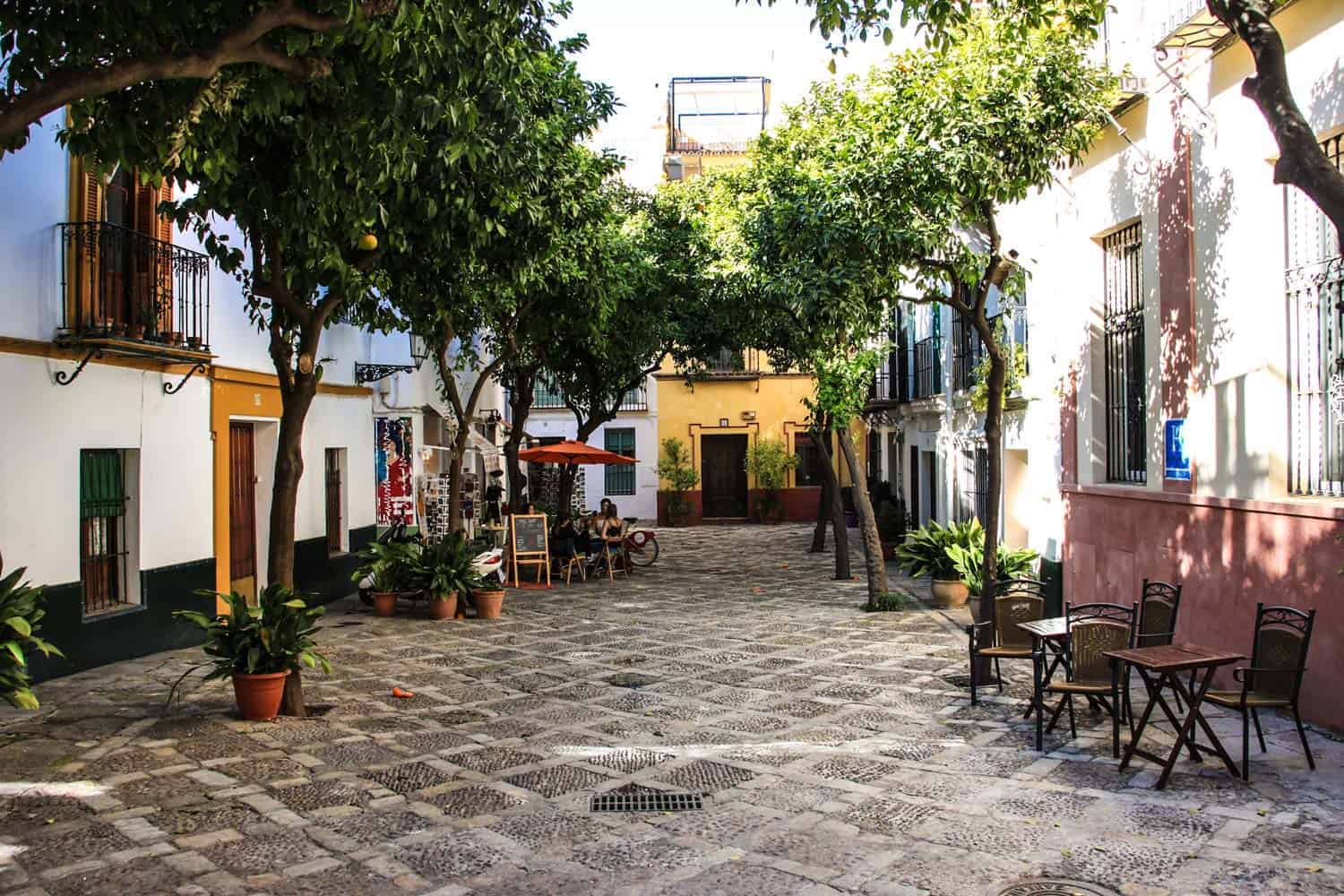
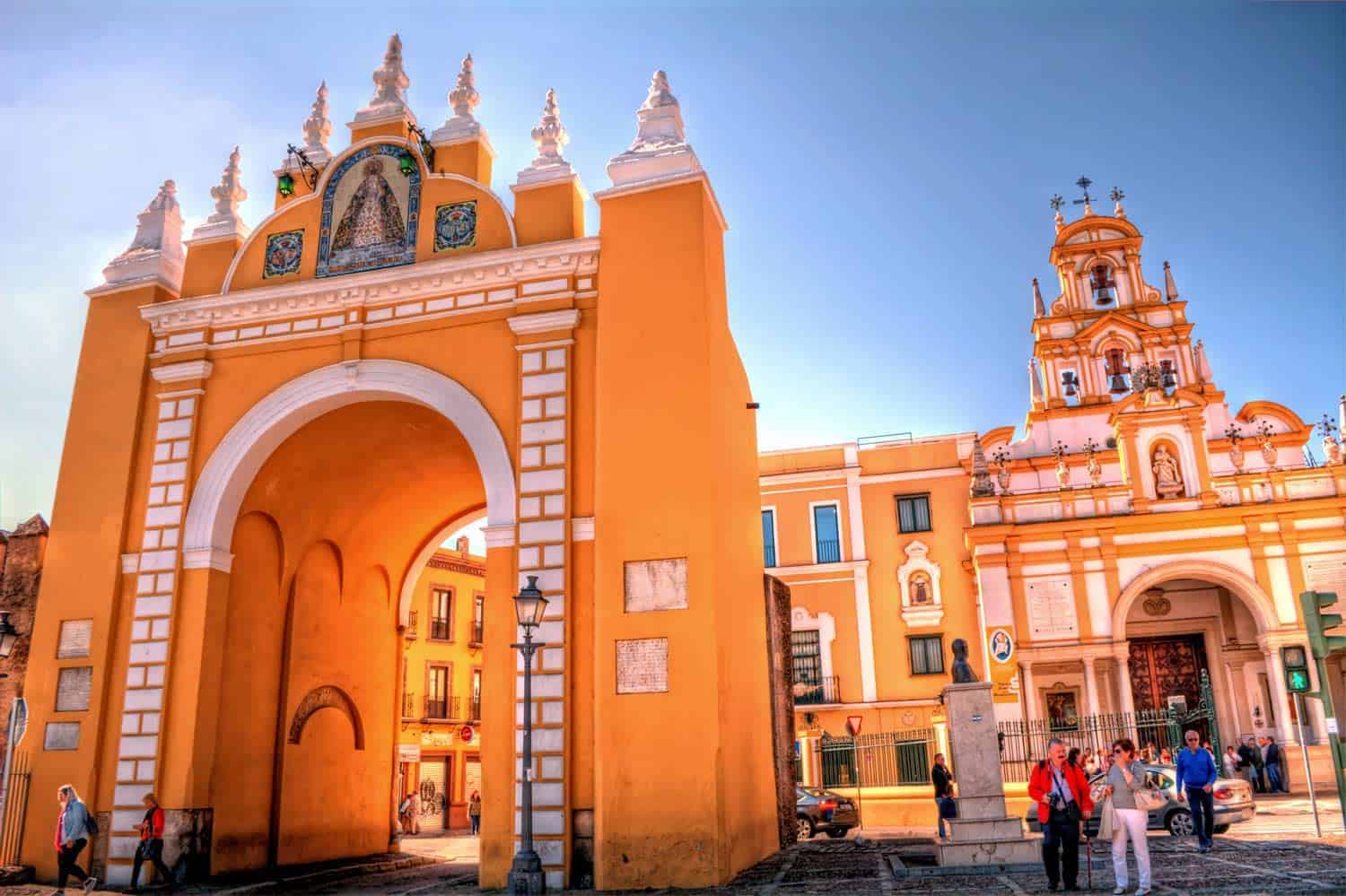
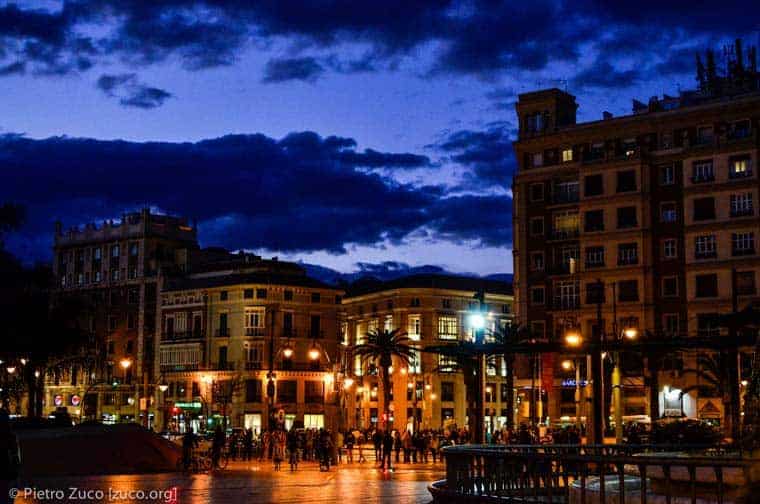
The beautiful thing about Seville is that every district manages to surprise, because each individual square, street or garden has its own distinctive features that know how to fascinate. If the Centro is a district that is always lively and busy, the Barrio Santa Cruz is one of the most characteristic, with its intertwining little streets that almost seem like a labyrinth. Visit El Arenal and you will be captivated by its stately appearance and attention to detail, but lose yourselves in Triana or Macarena to immerse yourselves in an authentic atmosphere of genuine city life.
Where to stay
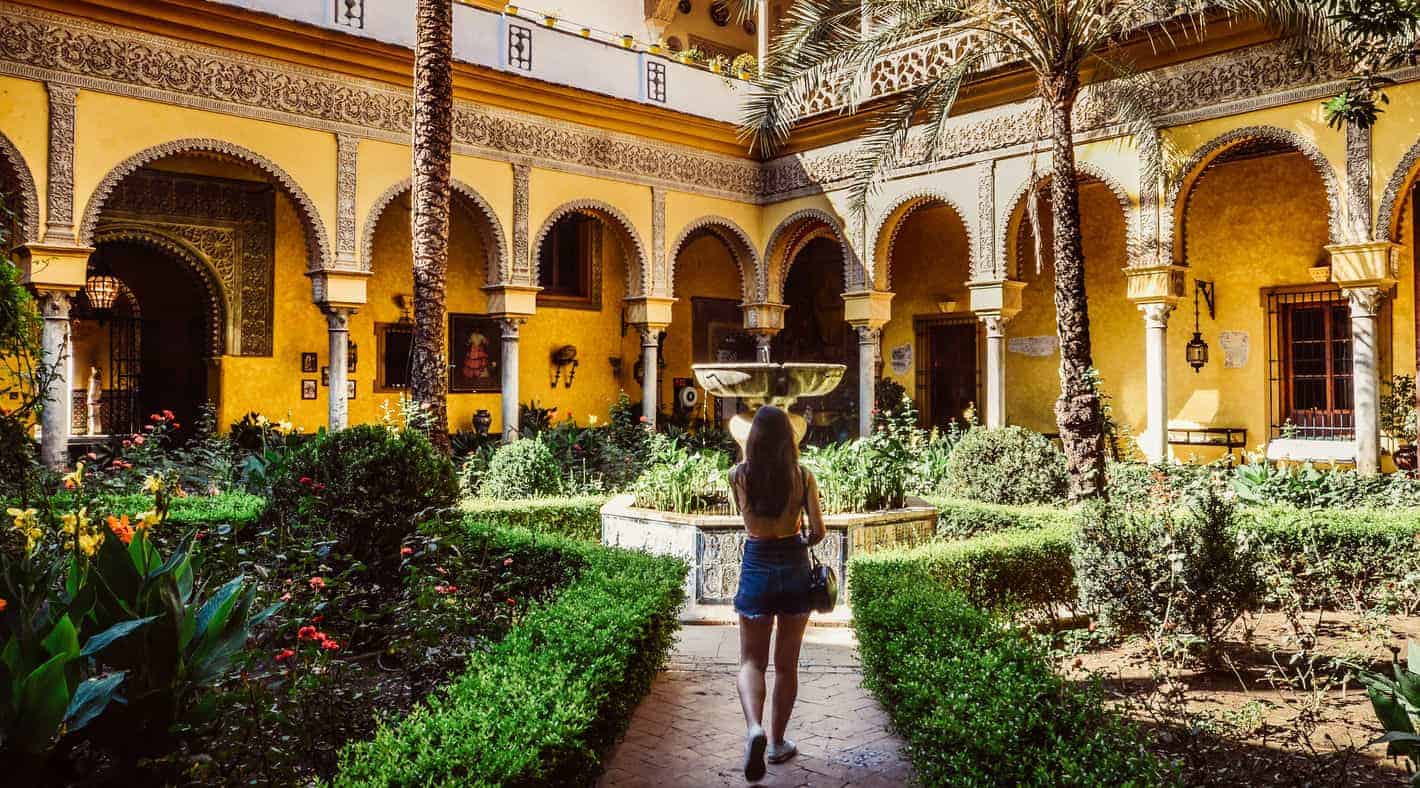
In Seville, every neighbourhood has its own quirks, so it may be better to stay in one area or another depending on the kind of atmosphere you prefer. In our article dedicated to overnight stays, we have divided the neighbourhoods into two broad categories: those in the Casco Antiguo, that is to say the city’s most central and historic area, and the popular neighbourhoods. The first category includes El Centro, El Arenal and especially Barrio Santa Cruz. The latter is undoubtedly the most charming, not only for its maze of little streets and the presence of the city’s main attractions, but also because many of the hotels are housed in buildings in the Mudejar style. The popular neighbourhoods such as Alameda de Hercules, Barrio Triana or Nerviòn are instead more out-of-the-way areas and therefore cheaper, but no less interesting for that. Here you will find the nightlife, the city’s gypsy soul and new hotels with every facility.
Areas to avoid
As with every city, Seville also has areas and neighbourhoods that are not ideal for tourists. The neighbourhoods described on our website are those worth exploring in order to visit everything the city has to offer from a tourist point of view. Even for an overnight stay, the ones we recommend are the quieter ones. Especially if you have a hire car, you may find it more convenient to stay on the outskirts, where it is possible to find accommodation at lower prices than in the centre. Our suggestion is to avoid certain areas, in particular the neighbourhoods of Torreblanca, Las 3000 Viviendas and Los Pajaritos, which we could describe as the least safe in the city.
Towns and attractions nearby
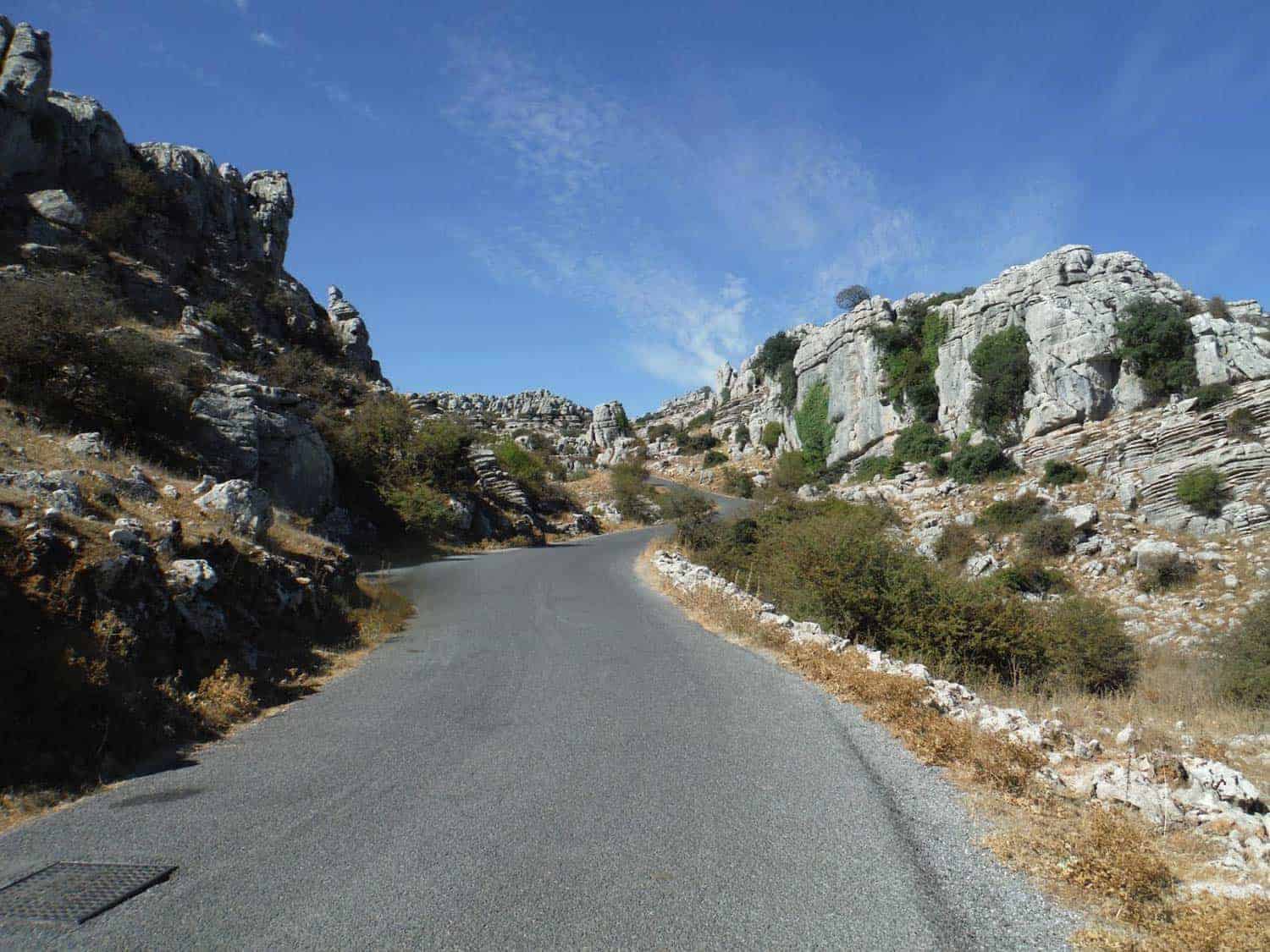
Seville is well connected, both by public transport and by the road network, to the rest of Andalusia. If you are staying long enough, you may want to take the opportunity to visit the areas around the city too. Of the main Andalusian cities, the two nearest are Cadiz and Cordoba: different from each other, both are well worth a visit and can be done as a day trip. Other places worth considering are Jerez de la Frontera, Italica and Carmona: in all these towns you can find important historical remains from different periods, from ancient Rome to the Moorish era.
What to eat that is typical
Seville cuisine, like Andalusian cuisine in general, is rich and varied. This has been influenced both by the diversity of the region, which ranges from the sea to the high mountains and offers a wide variety of produce, and by the succession of different cultures that have brought here, and blended, their culinary traditions too.
Among the typical seafood dishes, we highlight pipirrana de pulpo, which is a salad of octopus and vegetables, and tortilla de camarones, that is, a prawn omelette. As meat dishes, worth noting are rabo de toro, or bull’s tail, and solomillo, meaning pork fillet. From eggs “a la flamenca” to gazpacho, via patatas bravas, there are countless dishes to taste in Seville. How can you try them all? By taking advantage of the local custom: tapas!
What tapas are
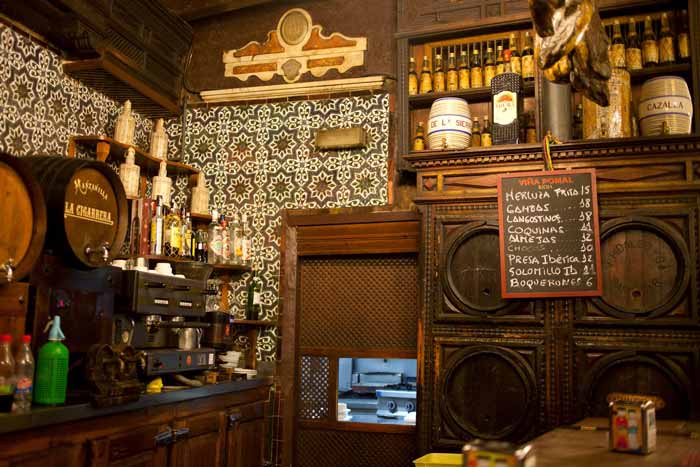
Tapas are small dishes which, in Spain, but particularly in Granada and Seville, accompany a cold beer or other drinks. Seville is full of bars, breweries and restaurants where you can enjoy a few of these delicacies. In some cases, but this happens especially in Granada, you can order a pint of beer and have a dish brought to you alongside it with a random item of food, without having chosen it, because originally tapas were exactly that: a snack to accompany a drink, much as we might offer nuts and crisps in a bar. Today, however, it is more likely that the customer chooses what they want, but at the same time it is also more common for tapas to be paid for separately and not included in the price of the drink.
Where to eat
It is difficult to compile a list of the best places to eat in Seville, given the sheer amount of choice available. In our dedicated article, however, we put forward a list of bars and restaurants where you can try both the best tapas and the various traditional Andalusian dishes. The recommendations range from historic venues, such as El Rinconcillo, which boasts the reputation of being the oldest in the city, to places to go if you are being more mindful of your budget.
Tourist Passes
Many of us ask ourselves, when visiting a foreign city, whether it is really worth buying a tourist pass. The answer is: it depends. Every city is different and every pass offers more or less favourable conditions depending on the type of visit you plan to make. In Seville there are at least five different passes, which include museums, attractions and public transport. If you plan to visit at least a few museums or use public transport, it is likely that one of these passes will save you some money compared with buying individual tickets. After taking a look around our site to work out which paid attractions you intend to visit, read the article on passes to find out which card is best suited to your needs.
Car hire
Andalusia is a region that lends itself perfectly to road trips, so if you have a few days at your disposal, don’t just stick to one city, but plan a proper on-the-road itinerary. The airport and the station are the two places where you can hire a car in Seville. There are various companies, and on the dedicated page you’ll find tips on how to save money on your rental.
Where to go shopping
Calle Sierpes is famous for being the shopping street in Seville. Located right in the middle of the city, in the heart of the El Centro district, it is packed with shops and is always lively with a constant flow of people. Of course, Seville also has its shopping centres, but it is definitely nicer and more characteristic to go shopping by wandering through the streets of the centre, such as Calle Sierpes.
Where to go out in the evening (nightlife)
Seville comes alive in the evening too, even in places that by day seem calm and quiet. The choice is varied and it all depends on the kind of nightlife you are looking for. An evening devoted to good wine or spirits can be spent in one of the city’s countless bar de copas , not to be confused with bar de tapas. A more cultural option can instead be found in the theatres, but also in the tablaos, the venues where flamenco reigns supreme. If you love music, you will not be disappointed by the variety of venues offering live music, as well as the wide range of nightclubs where you can stay out until the early hours. Among all Seville’s neighbourhoods, Alameda de Hércules is undoubtedly the liveliest area after nightfall.
What are the opening hours like (dinner…)
In Spain, times run a little later than in UK, especially in Andalusia. Based on mealtimes, in Seville you will find it perfectly normal to have breakfast between 9 and 11 am, lunch between 2 and 4 pm, and dinner between 9 and 11 pm. Mealtimes also affect the opening hours of the various shops and businesses. Having said that, it is also true that Seville is a large city and, moreover, a very touristy one, so you will not find the same rigidity in opening hours that you may find in smaller towns.
How many days to visit it
We always recommend dedicating at least three days to visiting Seville, so that you can enjoy everything the city has to offer at a leisurely pace. And of course, if you have the opportunity to stay for longer, you will be able to discover each district of the city even more calmly, without rushing from one monument to the next. However, time available for a trip is often limited. That is why we are giving you a few ideas on how to visit the city in one or two days too, so that you can prioritise the main sights and return home satisfied with your visit.
Time zone, currency, language
Mainland Spain is one hour ahead of the UK, so remember to adjust your watch when you arrive. The currency is the euro; cards are widely accepted, although it is useful to carry some cash for smaller purchases. The official language is Spanish, but English is widely spoken in the main tourist areas.
History, culture and sport
History in brief
In the 8th century BC, the Tartessian people founded a settlement in the area where Seville stands today. Five centuries later, this area was occupied by the Carthaginians and, later on, it suffered Moorish invasions and was the site of clashes between the Arab peoples and the Roman army, which in the meantime had turned it into one of its colonies.
The Vandals, Suebi and Visigoths alternately took possession of these lands in medieval times until, in 712, the army of Musa ibn Nusayr conquered much of what is now Spain and ushered in Arab rule. It was not until 1248 that Ferdinand III of Castile conquered Seville, annexing it to his kingdom and thus to the Christian world.
The name of Seville became famous throughout the world especially after the discovery of America, which made the Andalusian capital the main European port for transatlantic crossings. Between 1492 and 1681, Spain experienced the period known as the Siglo de Oro (Golden Age), during which Seville became one of the continent’s leading cities, growing in population too. The plague of 1649 halved it.
Among the main events held in Seville in the last century, it is particularly worth mentioning the Ibero-American Exposition of 1929 and the Universal Exposition of 1992. These events kicked off a process of modernisation of the city that is still under way.
Origin of the name
The name Seville (Sevilla in Spanish) derives from Spal or Ispal, the indigenous Tartessian name (of the civilisation present in this area before the Roman conquest) meaning “flat land”. This name was later Latinised by the Romans as Hispalis, which in turn the Arabs modified into Ishbiliya.
Coat of arms
The coat of arms of Seville represents temporal and ecclesiastical power, with the inscription “Muy noble, muy leal, muy heroica, invicta y mariana” (Very noble, very loyal, very heroic, undefeated and Marian). But the interesting thing is the cryptogram “NO8DO”, where “8” is actually a skein (which in Spanish is called madeja). Bringing the three parts together, no+madeja+do, it can be read as “no me ha dejado”, that is, “has not left me”. The meaning is to be found in the loyalty the city showed to the monarch Alfonso X the Wise, who managed to revive the city and bring it renown, thanks to a positive and peaceful way of ruling.
Football teams and stadiums
Two football teams play in Seville: Sevilla FC and Real Betis. The first team plays at the Ramón Sánchez Pizjuán Stadium, which has a capacity of 45,000 spectators. The second is based at the Benito Villamarín, a stadium with a capacity of 51,000 spectators.
University
Founded in 1505, the University of Seville is among the most important in Spain. Its main seat is in the Royal Tobacco Factory, an emblematic building of industrial archaeology which today houses the University’s rectorate. The various campuses, however, are spread throughout the city, divided by faculty. The presence of an important university helps make Seville a lively city, full of young people who come here to study from other parts of Spain and Europe.
Famous theatres
The Teatro de la Maestranza, built in 1992 for the Expo, is the city’s opera house, where operatic performances, symphonic music and ballet are staged in turn. It owes its name to the place where it stands, which once housed the Maestranza de Artillería, that is, the military arsenal.
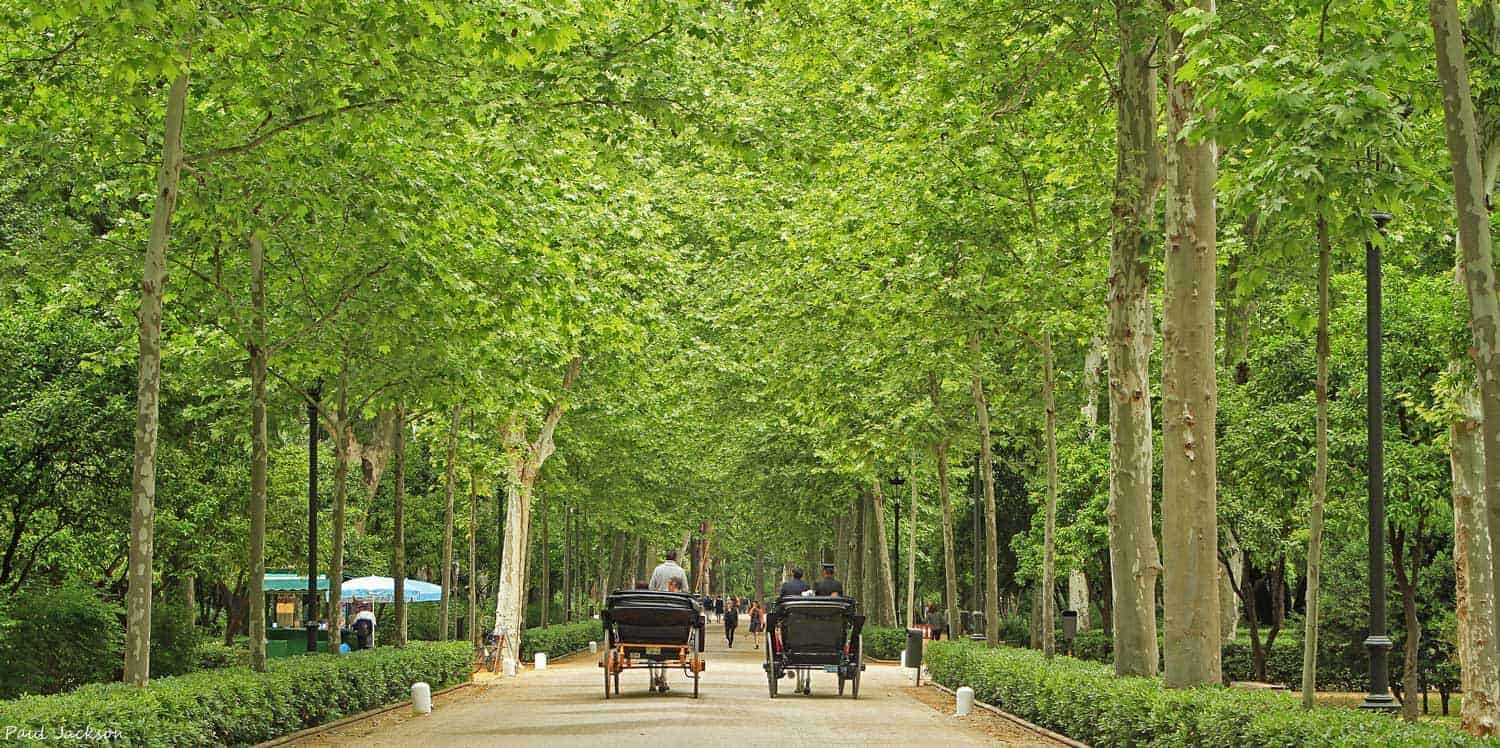
The Lope de Vega Theatre is the main spoken-word theatre in Seville and is dedicated to Lope Félix de Vega y Carpio, a Spanish writer, poet and playwright. It dates back to 1929, when it was built on the occasion of the Ibero-American Exposition, and is located in María Luisa Park, one of the city’s main public gardens.
Famous figures (writers, actors)
Seville has given birth to several figures who became famous for art, poetry and more besides. Among many others, we recall the painter Diego Velàzquez, born in Seville on 6 June 1599, and the poet Antonio Machado, born in Seville on 26 July 1875. We must also not overlook the protagonist of Gioachino Rossini’s opera, “The Barber of Seville”, which, although it is an invented story, has helped to make the city famous in the collective imagination.