The Seville Cathedral is the largest church in Spain and was built over the remains of a mosque, as has often happened in Andalusia’s long history (see the Mezquita of Córdoba).
Buy skip-the-queue tickets for the Cathedral and the Giralda
The building’s dual Islamic and Christian soul reaches its greatest visual beauty in the architecture of its bell tower: the Giralda. By day, standing 104 meters tall, it almost seems like a beacon for the many tourists and visitors from around the world who are in the city: the Giralda of Seville rings its bells to call the faithful to Mass and to announce Christian religious events. At night it is an illuminated wonder that evokes the tales of One Thousand and One Nights.
The history and artistic features of the Giralda
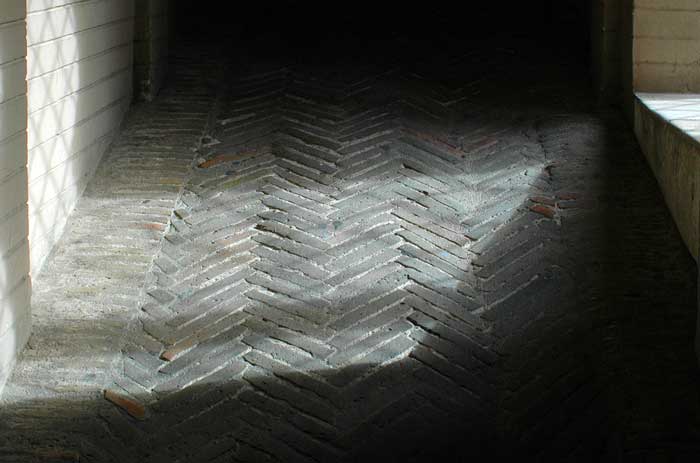
A symbol of Seville and of the cathedral, the Giralda is not simply a bell tower: its most important architectural characteristic is the harmonious coexistence of Roman, Arab and Christian elements. It was built beginning in 1156 as the minaret for Seville’s mosque at the behest of the caliph and was completed in 1184. During construction, materials from an ancient Roman site near Seville, Italica, were used. The architect Ahmad ibn Baso had a copper dome placed on the summit of the tower. The base, 13.61 metres per side, contains 34 circular ramps with no steps: this allowed the muezzin to ascend to the top of the minaret not only on foot but also on horseback. That internal structure remains to this day: to reach the top of Seville’s Giralda you climb along gently sloping ramps.
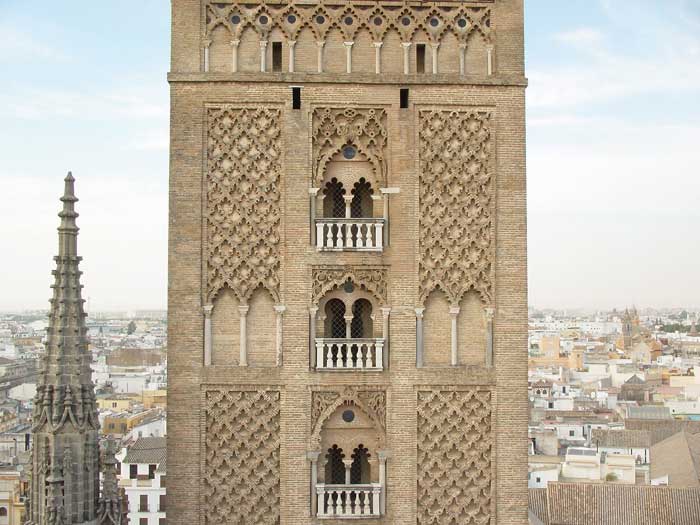
The appearance of the ancient minaret remains in the lower part of the tower and in the decorations, while the upper part with the bells is in the Renaissance style. I recommend admiring the architectural decorations on the exterior of the lower part of the Giralda: they are diamond-shaped or of sebka, the openwork ornamental motif typical of Arab textiles and architecture. The small windows and the arched niches also recall the ancient Arab palaces and mosques. Looking up, however, you will recognise neo-Gothic and Renaissance decorations on the terraces that characterise the upper part of the bell tower.
In 1365 an earthquake caused the copper sphere at the top of the minaret to fall. Around the same time the construction of the Cathedral of Seville had already begun – after the demolition of almost the entire mosque – and the Christian architects decided to place a cross and a bell in place of the copper dome. It was the architect Hernán Ruiz who devised the design for the summit of the Giralda, incorporating elements typical of the 16th‑century Renaissance.

Particularly striking is el cuerpo de azucenas, the section that houses the bell, characterised by four terraces with bronze lilies at the Giralda’s four corners. Above it are el cuerpo de estrellas, el cuerpo de carambolas and, finally, a small dome topped by the Giraldillo. Added in 1568, the statue that gave the bell tower its name represents the triumph of Christianity. Standing 4 metres high, the Giraldillo is shaped so that it turns according to the wind, just like a weathervane. A replica stands in front of the cathedral entrance and is therefore easily admired by all.
Alongside the minarets in Rabat and Marrakesh, the Giralda is one of the few remarkable examples of Almohad architecture that still survive. By “Almohad architecture” is meant the body of buildings and works erected by the Berber Almohad dynasty between 1100 and 1300, a period during which they dominated the territories of North Africa and southern Spain.
Information, opening times and ticket prices for the Giralda in Seville
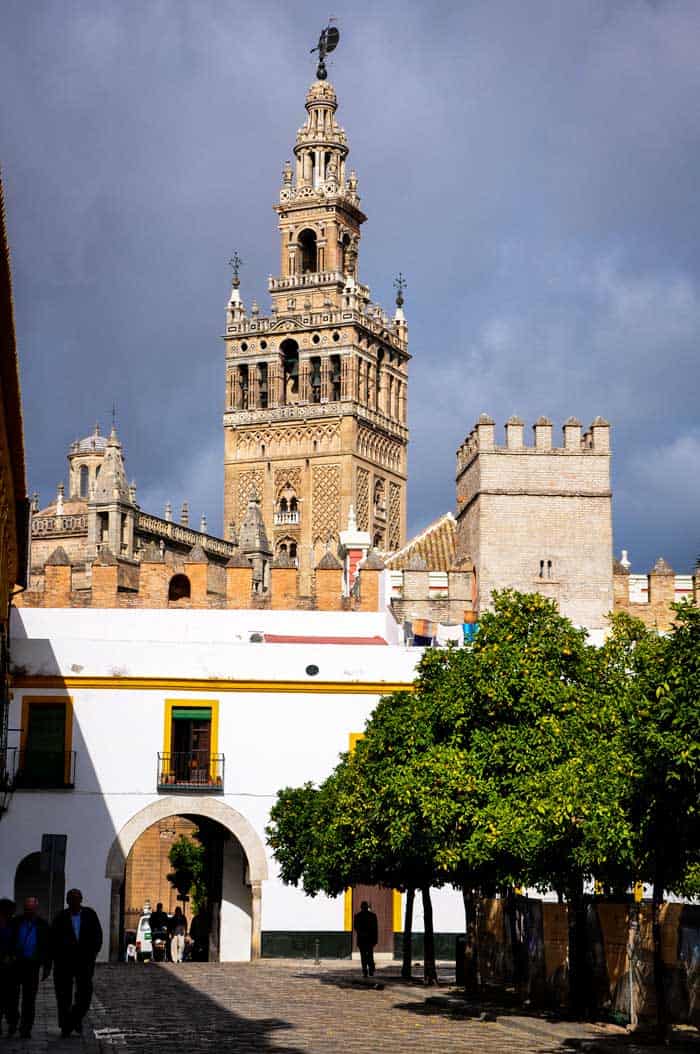
The Giralda is located on Avenida de la Constitución and is an integral part of the monumental complex of Seville Cathedral, the Catedral de Santa Maria de la Sede de Sevilla. The best place to admire it from the outside is from Plaza Virgen de los Reyes, but there’s nothing better than wandering the alleys of the adjacent Barrio Santa Cruz in search of the most beautiful viewpoint. The ancient Moorish quarter is also the best place to stay if you want to capture the Andalusian spirit that permeates the heart of old Seville.
The nearest tram stop is Archivo de Indias, just a few metres from the cathedral, while by metro I recommend getting off at Puerta Jerez and walking for less than 10 minutes to Seville’s historic centre.
A visit to the Giralda is included in the cathedral ticket together with the Church of the Divine Saviour: from €17.50 for adults, €10.80 for pensioners and students up to 25 years, free for residents of Seville and for children up to 13 years. The entrance to the Giralda in Seville is via the interior of the cathedral, near the Capilla Real.
Buy skip-the-queue tickets for the Cathedral and the Giralda
Also worth considering is this English-language combined tour, which includes the visit to the Alcazar, the Cathedral and the Giralda. Perfect for anyone who wants a more in-depth visit to these three monuments with the support of an expert guide. Tickets are included in the price.
Buy the combined tour for Alcazar, Cathedral and Giralda
The opening times of the Giralda and Seville Cathedral are:
- Monday to Saturday from 11:00 AM to 6:00 PM
- Sunday from 2:30 PM to 7:00 PM
Even if you visit the city in summer and the heat will therefore be stifling, I still recommend making the climb to the top of Seville’s Giralda. A little tiredness and a few drops of sweat are nothing compared with the breathtaking view from the publicly accessible area situated 70 metres high: you will literally have Seville at your feet! With over 800 years of history, the splendid bell tower of the Cathedral welcomes visitors with its dual Christian and Muslim soul and amazes adults and children with its beauty and harmony.
