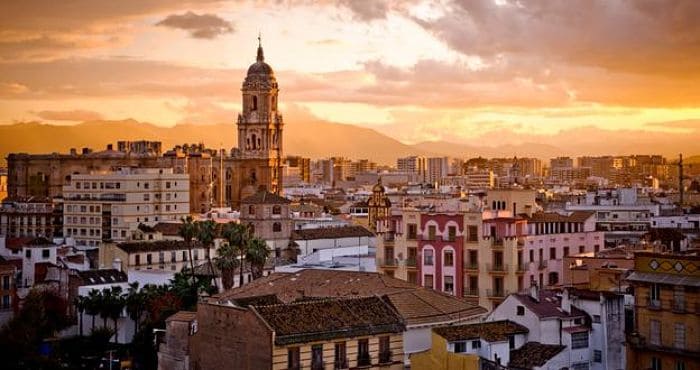
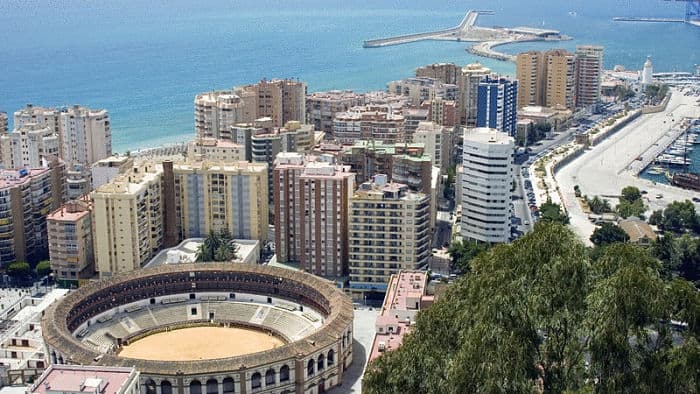
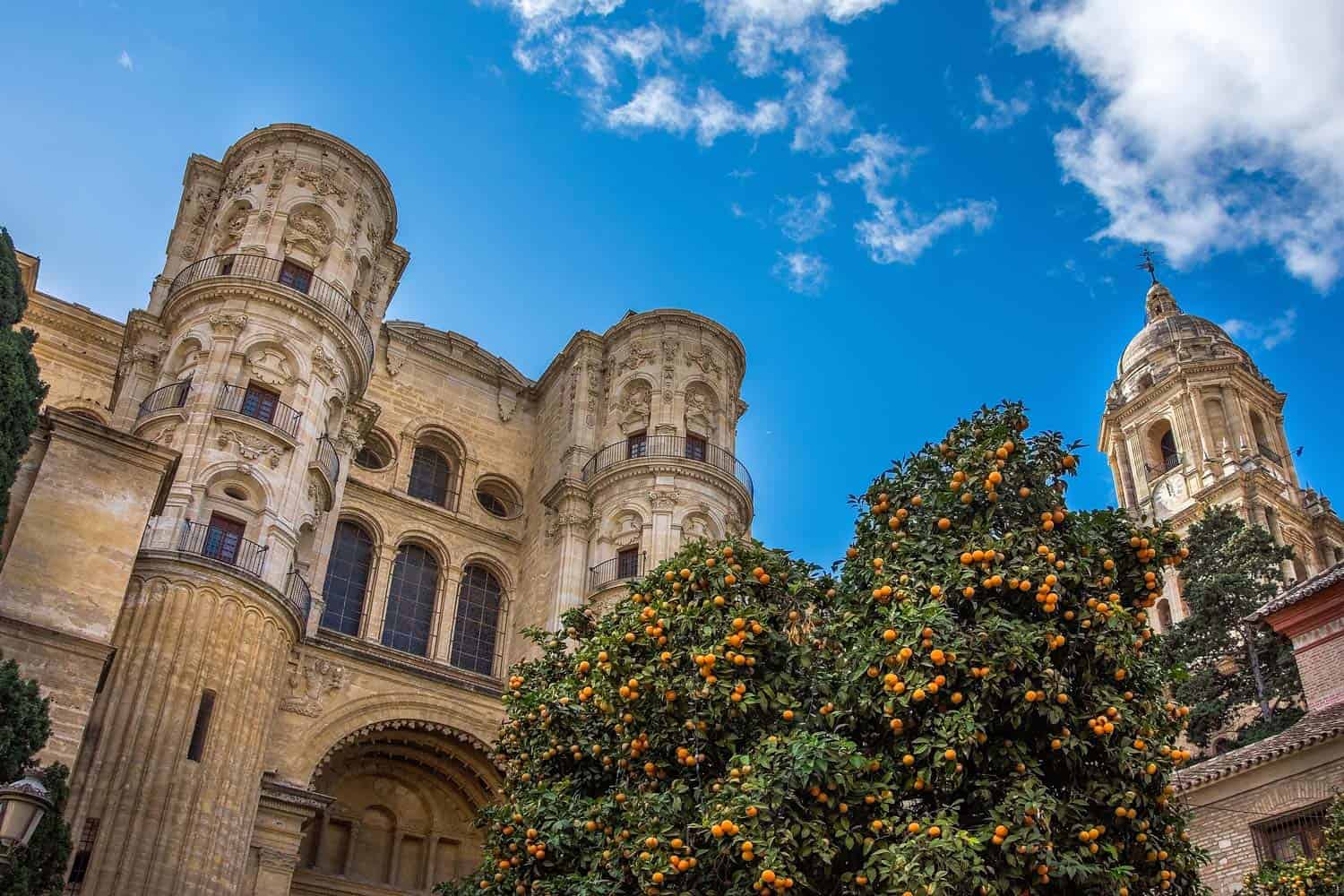
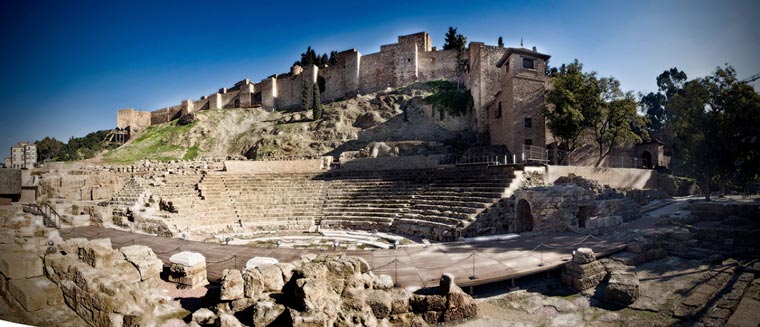
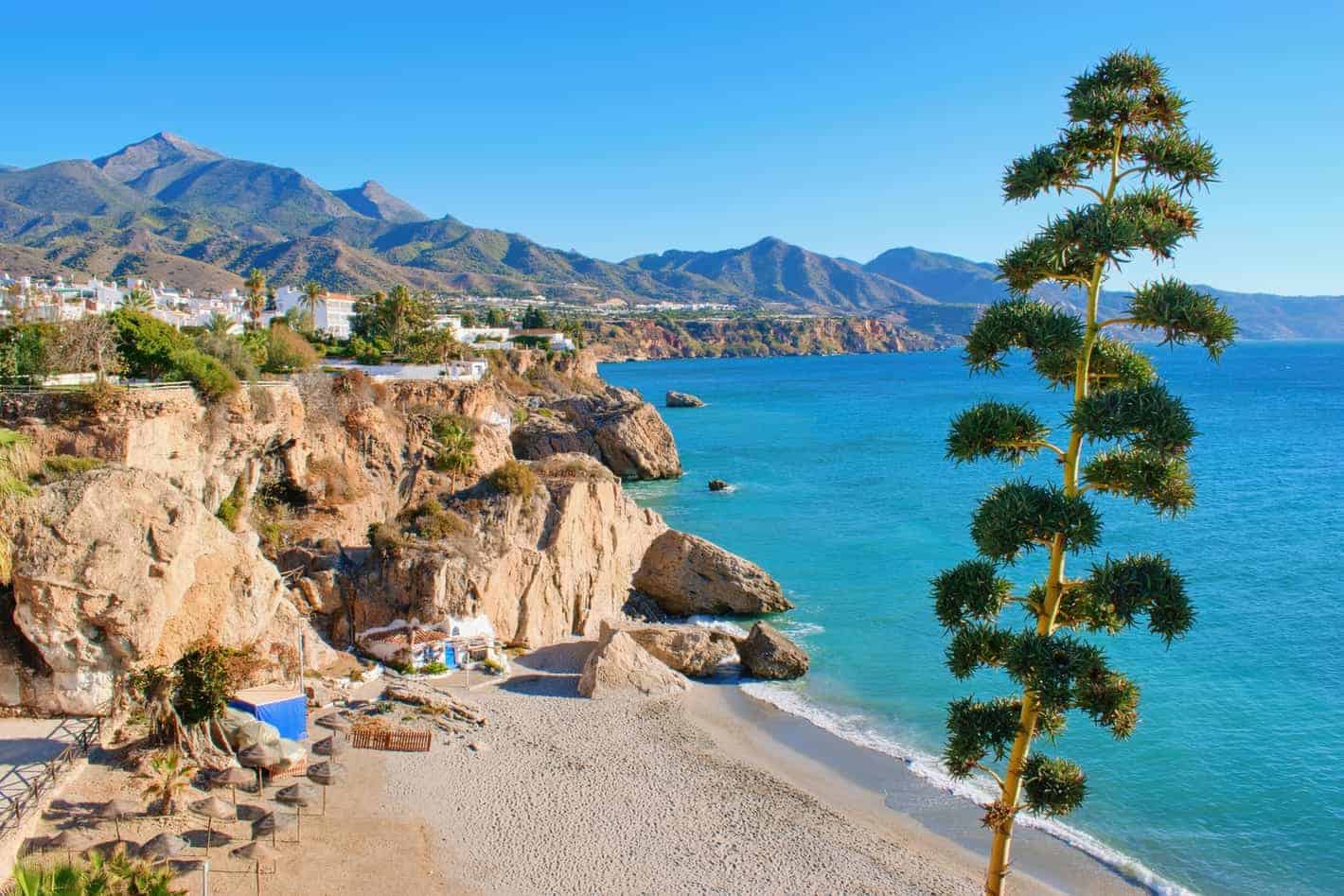
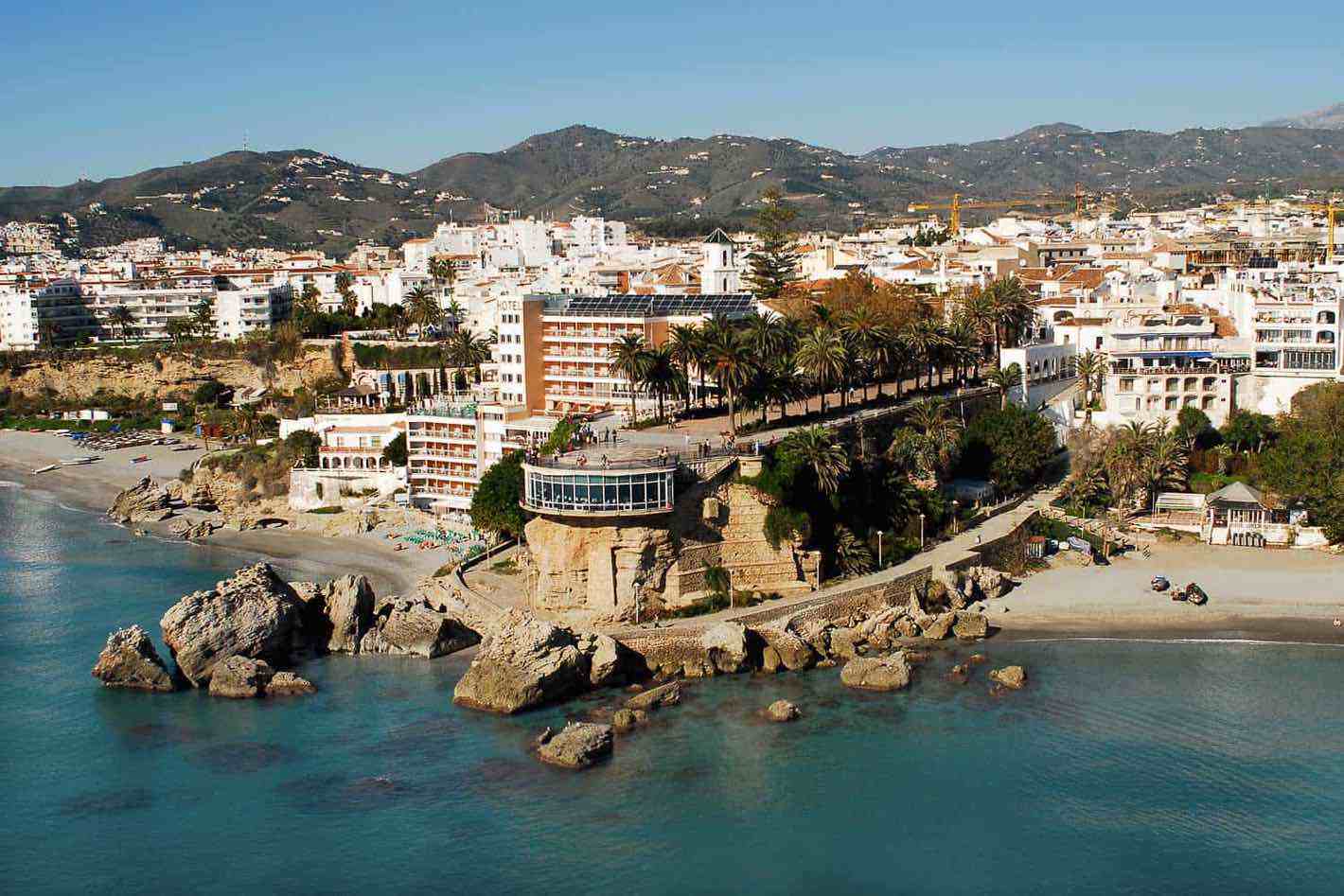
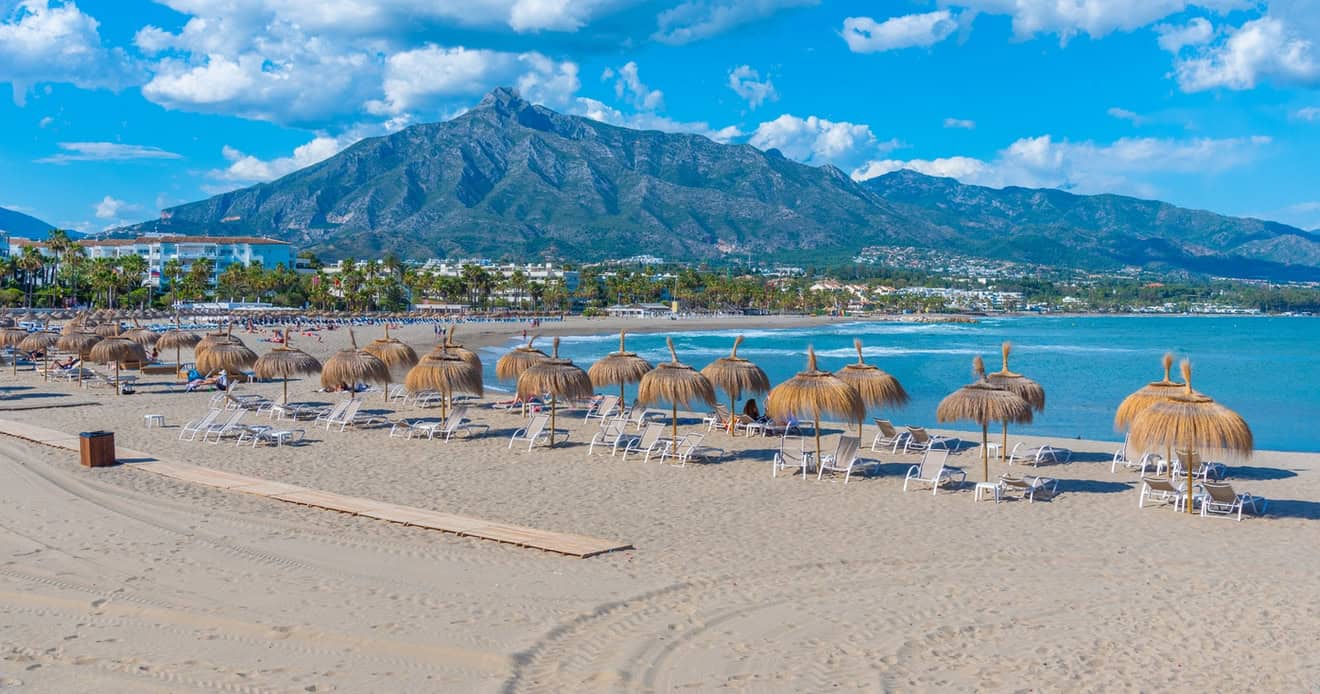
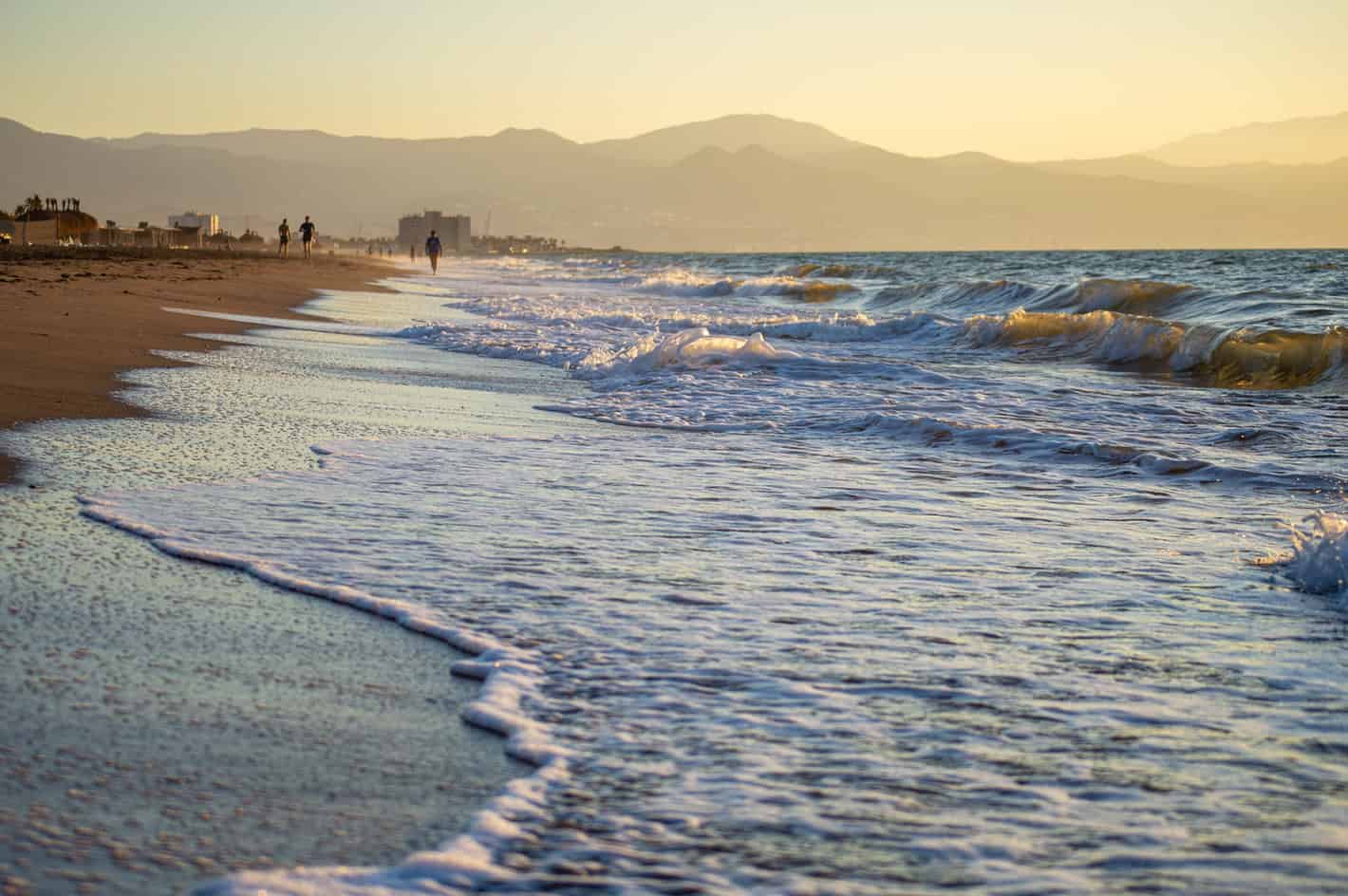
Malaga, with the captivating vitality typical of seaside cities, manages to win everyone over: this travel guide is devoted not only to its most important attractions, such as the majestic Alcazaba, but also to the many, and often crowded, beaches of the Costa del Sol, the nightlife, the ferias and everything else, so that a trip to Malaga can be an unforgettable experience.
Contents
Geographical information
Where is Malaga?
Malaga is situated on the southern coast of Andalusia, overlooking the Mediterranean Sea. Andalusia is Spain’s largest region and is also home to other important cities such as Seville (the regional capital), Granada, Cordoba and Cadiz, as well as charming towns and beautiful beaches.
How big is it?
The city covers an area of around 153 square miles, while the province of Malaga covers an area of over 2,820 square miles.
What altitude is it at?
Malaga is situated just 8 metres above sea level, as you might expect from a coastal city.
How many inhabitants does it have and what are they called?
Malaga has almost 600,000 inhabitants, known in Spanish as malagueños. It is the second most populous city in Andalusia after Seville and the sixth most populous city in Spain.
How far is Malaga from the sea?
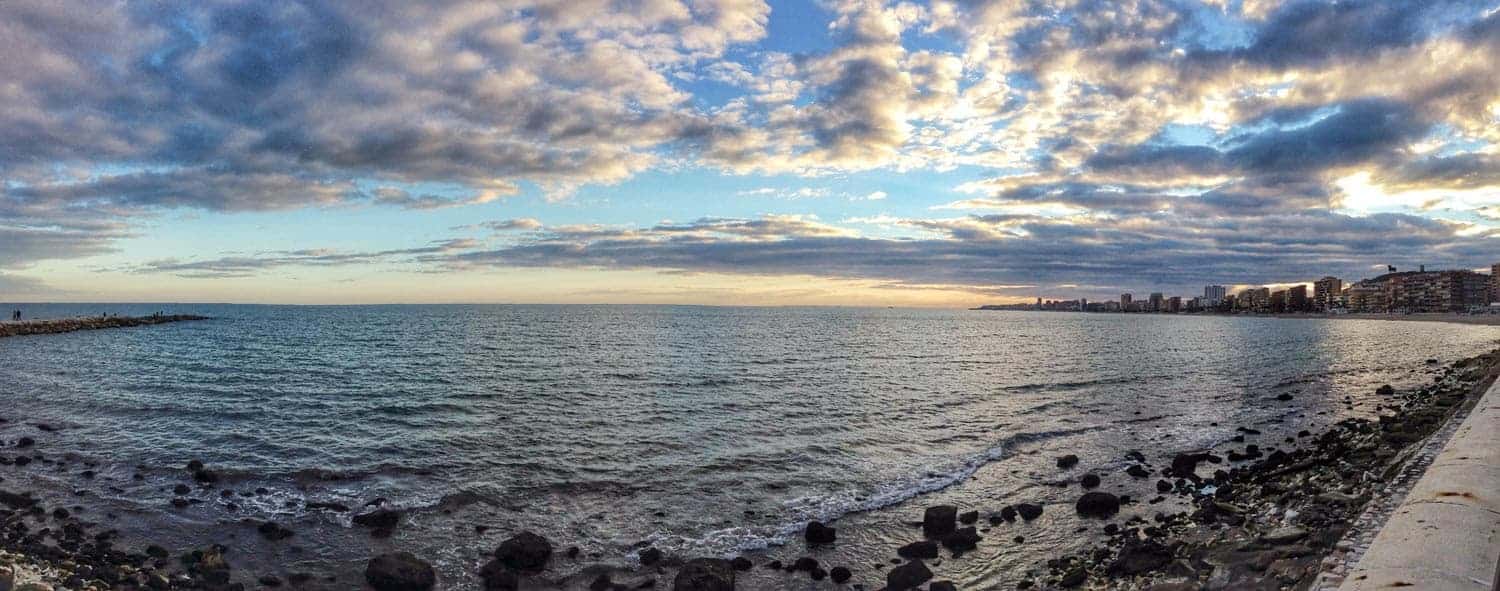
Malaga lies directly on the Mediterranean coast and is famous for the beaches along its coastline. The province, however, also stretches inland, including mountainous and rural areas.
Which river flows through Malaga?
Malaga is crossed by the Guadalmedina River, which rises in the nearby Sierra de Camarolos and is around 30 miles long.
Malaga Climate and Maximum Temperatures
Malaga has a Mediterranean climate, with sunny summers that are not as hot as in other cities, such as Seville, thanks to the influence of the sea, and mild but fairly rainy winters. Maximum summer temperatures are usually around 31–32°C. In winter, temperatures rarely fall below 0°C, and January, the coldest month, usually has lows of around 7°C and highs of around 17°C. The rainiest months are November and December, with around 100 mm of rainfall each month, while in July it is quite common for there to be no rain at all.
Tourist information
Getting there
Malaga airport is Andalusia’s main gateway, so the best way to get there is by plane. What’s more, the city is also well connected by public transport to other major cities both in the region and across the rest of Spain. In some cases, it is worth travelling by train between Malaga and other cities, but often the most convenient option is the bus, as is the case for most connections in Andalusia.
If you are planning a road trip through Andalusia, it is worth bearing in mind that Malaga is 75 miles and about 1 hour 40 minutes from Granada, 99 miles and about 1 hour 50 minutes from Cordoba, and 124 miles and about 2 hours from Seville.
Airport and Where to Fly From
Malaga has the most important airport in Andalusia (and Spain’s fourth busiest airport): it handles over 25 million passengers a year and is the region’s main gateway for tourists. There are flights from the UK to Malaga departing from several cities.
From the airport, it is possible to get to the city centre by train, which takes less than 10 minutes, or by bus, which takes less than 20 minutes. Alternatively, you can take a taxi or hire a car.
How to get around
If you are planning a road trip in Andalusia, you can hire a car in Malaga or arrive here from another city in the region. In either case, the car will be useful for some journeys, but the city’s historic centre can be explored on foot without any problems. Given the fairly small size of the historic centre and the proximity of the main points of interest, staying in the historic centre makes it possible to visit the whole city on foot or using public transport.
Where to park
If you are travelling by car and your hotel does not include garage parking in the rate, or if you need to use it anyway to get from one part of the city to another, below you will find some car parks in Malaga that, in our experience, are very convenient:
Public transport
Malaga has two metro lines and a good bus network; there are also hop-on hop-off tourist buses.
What is it famous for?
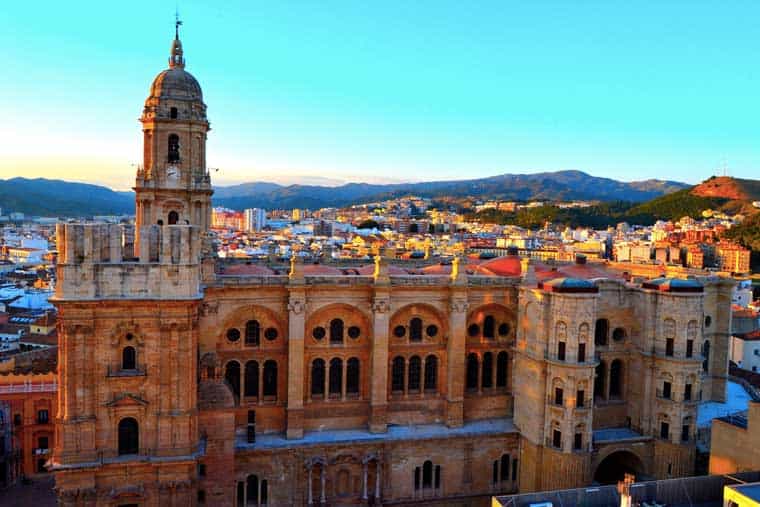
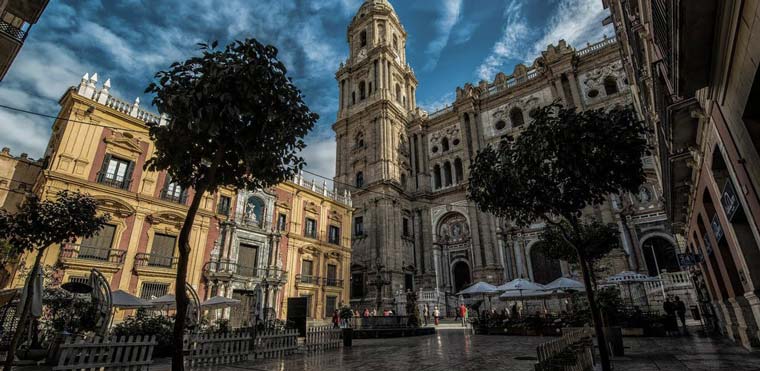
Malaga is famous for its mild climate and its beaches, but also for its important historical heritage, which has its roots in Phoenician, Roman and Arab civilisations. Among the city’s emblems are the Alcazaba and Gibralfaro Castle, evidence of its Moorish past, together with the majestic cathedral. The city is also known for art, being the birthplace of Pablo Picasso, to whom the famous Picasso Museum is dedicated. Its old town is full of museums, lively squares and streets bustling with tapas bars and venues. Strolling along the seafront, exploring markets such as Atarazanas and enjoying the gastronomic scene are all part of the experience, where the sea is certainly the star, but not the only reason to visit the city and its surroundings.
Important festivals and other events
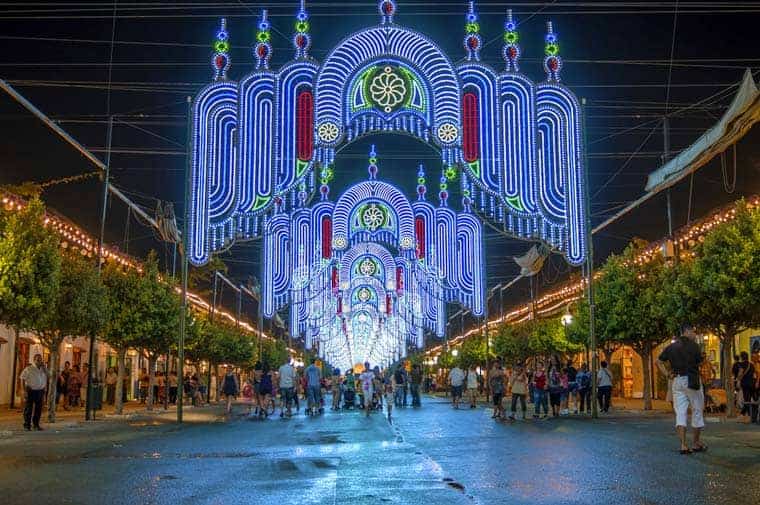
The Feria de Malaga, which is held every year in August, is the city’s most famous event and one of the Andalusian festivals that attracts the most visitors each year. For a week, the city and its beaches fill with people, animated by celebrations of wine, music and dancing that last through the night. Other festivals not to be missed are Malaga Carnival, which sees major parades every year, the Holy Week processions (very deeply felt, as throughout Andalusia), and the night of San Juan: on the evening of 23 June, which precedes the day dedicated to Saint John, people gather on the beach to eat and celebrate together, burning the “Juas” dolls, made from old rags, on bonfires.
Flamenco
Since 2010, Flamenco has been declared an Intangible Cultural Heritage of Humanity, and in every Andalusian city it is possible to attend music and dance performances: there is flamenco sung only, flamenco accompanied by guitar, and flamenco where music blends with dance. In Malaga there are various venues where you can watch these performances, but not only that: here there is also the dance of the malagueñas, typical of this city in particular: a musical composition similar to the fandango, which is normally danced in the province’s traditional costumes.
Neighbourhoods
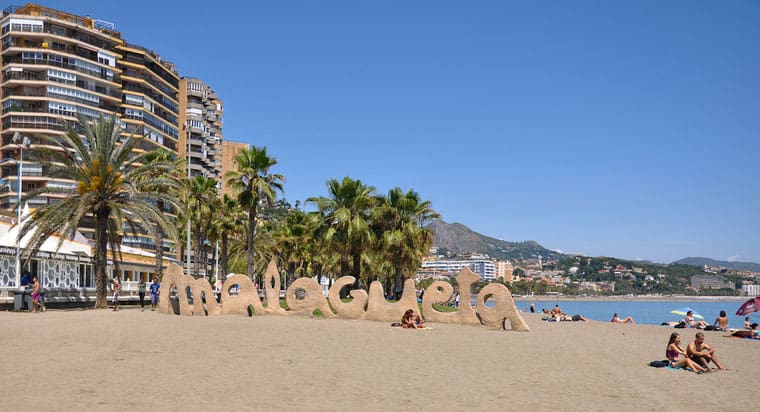
Malaga’s districts are distinguished by very different atmospheres. The historic centre is the cultural and tourist heart, full of monuments, museums and nightlife. La Malagueta is famous for its large beach and seafront promenade: it is ideal for those looking for relaxation and fish restaurants, but also beach parties and a lively atmosphere at all times. Soho is the most creative and artistic district, full of street art and galleries. Then there are more outlying but very distinctive neighbourhoods, such as Pedregalejo (in Malaga-Este), which preserves the traditional soul of an old fishing village.
Where to stay
Precisely because Malaga’s districts are quite varied, staying in one area rather than another can make a difference. The best district for visiting the city on foot and being close to the main attractions is undoubtedly the historic centre. For the same reasons, La Malagueta is also a very good choice, with the added advantage of having the sea nearby. Among the areas where to stay in Malaga, you can also opt for Pedregalejo if you are looking for nightlife, Perchel to be close to the station (ideal if you are taking a train trip between the main Andalusian cities), or Huelin for families who want the sea and tranquillity.
Areas to avoid
Despite Malaga being a fairly safe city, it is wise to watch out for pickpockets in tourist areas (as in any tourist city, after all). However, there are also some neighbourhoods with a less positive reputation than others, and these can therefore be added to the list of areas best avoided when visiting Malaga: in particular La Trinidad, Palma-Palmilla and Cruz de Humilladero.
Towns and attractions nearby
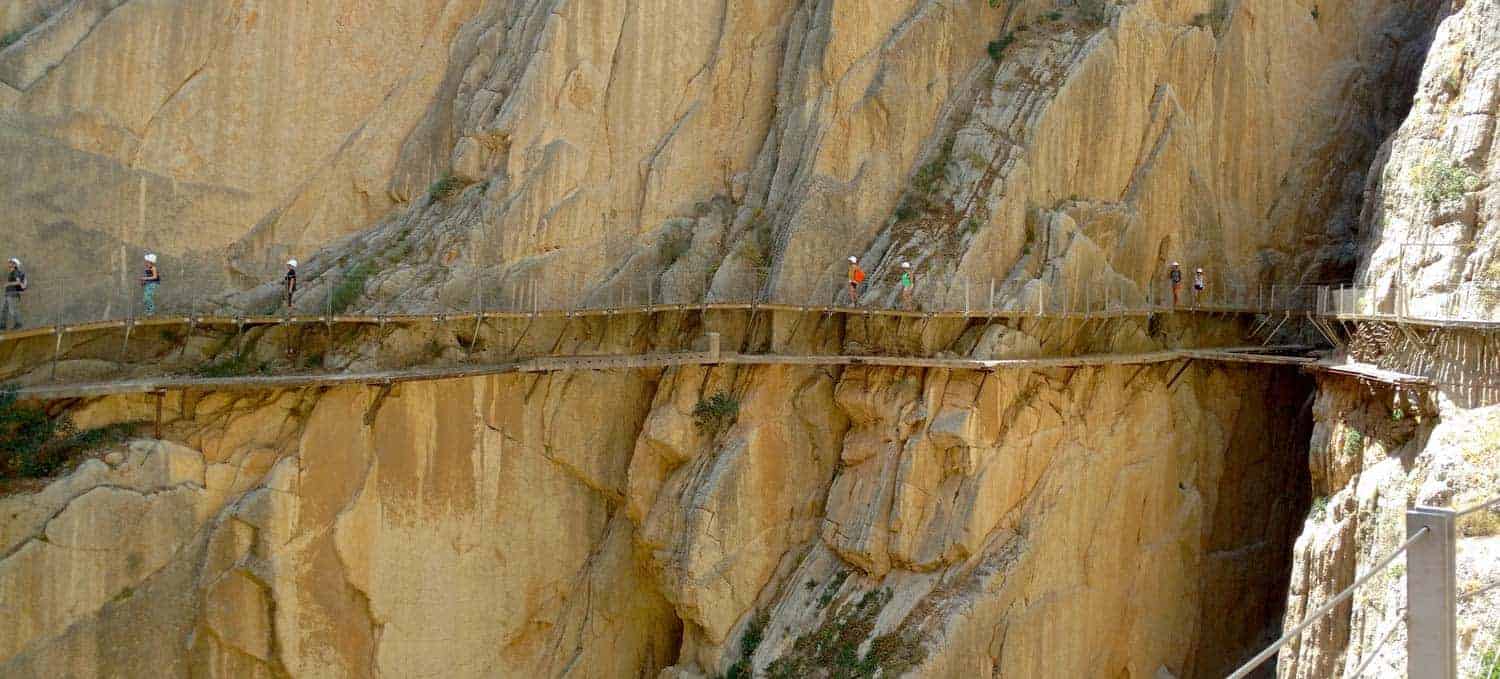
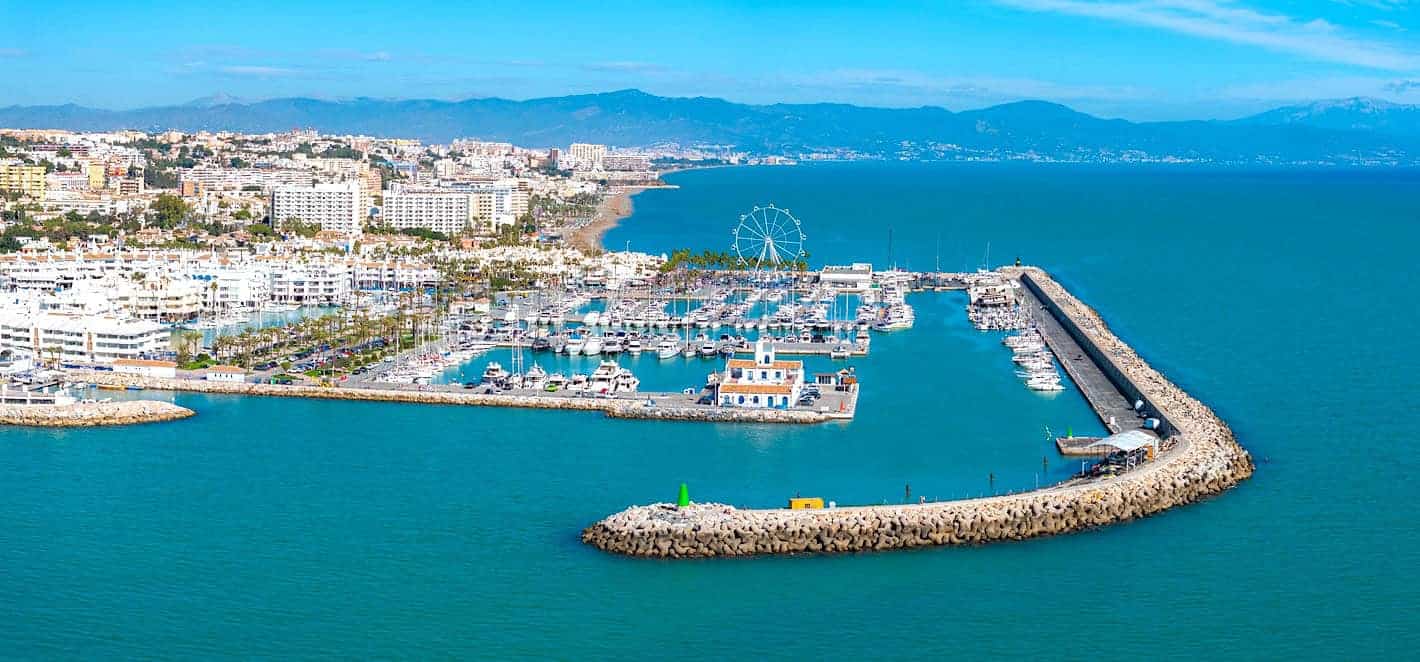
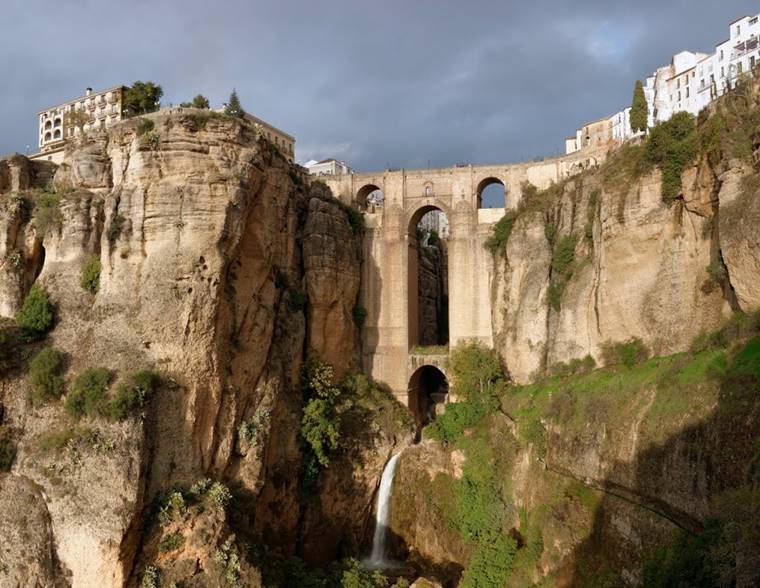
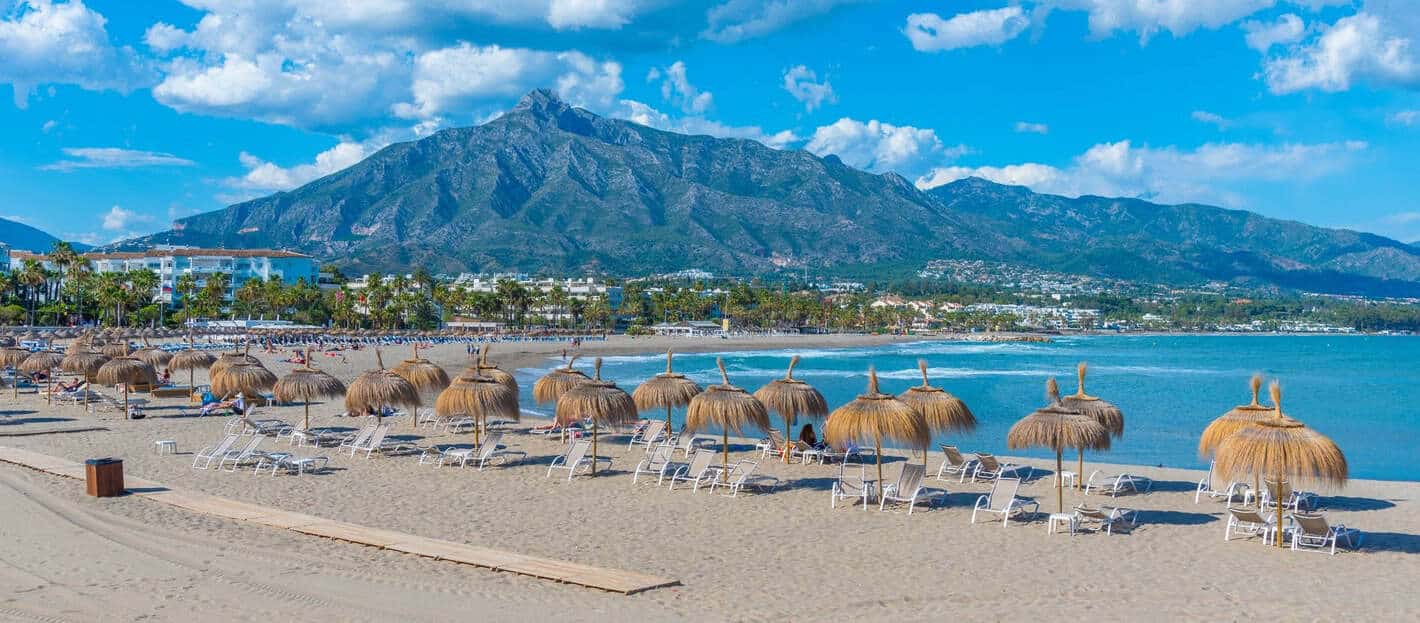
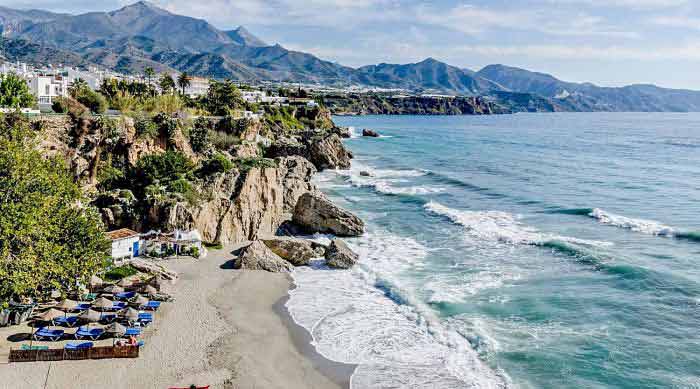
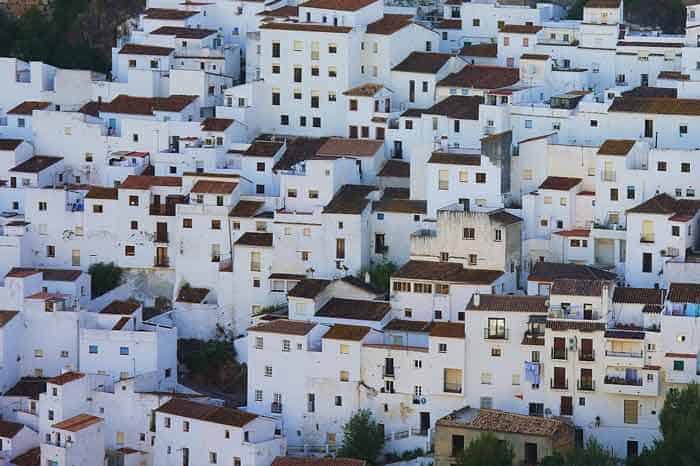
Whether you are travelling by car or getting around by public transport, there are various towns and natural attractions that can be easily reached from Malaga. If you are travelling by car, it is also easier to reach the more remote places, but especially along the coast there is also a good bus service. On the coast, the best-known place in the province is probably Marbella with its wide beaches, but there are others too, such as those of Torremolinos. And besides the beaches, there are also villages and small towns not to be missed, such as Nerja, Mijas, Fuengirola or Frigiliana. And Malaga province’s inland areas also have plenty to see: for example, Antequera or Ronda, not to mention the very famous hiking route of the Caminito del Rey.
Traditional food
When you are in Malaga, don’t head straight for the tapas, which are more typical of cities like Granada and Seville. This seaside city boasts an endless number of typical fish-based dishes that you simply have to try. A few examples? Pescaíto frito (mixed fried fish, always including anchovies), espetos de sardinas (chargrilled sardine skewers), ensalada malagueña (a salad made with shredded cod together with boiled potatoes, olives, onion and oranges) and conchas finas (giant clams, often eaten raw with lemon). But there are also plenty of local recipes without fish, such as ajoblanco (a cold bread soup with garlic, oil and almonds), berenjenas con miel (fried aubergines with honey), or porra antequerana (a dish made with eggs, fried potatoes, peppers and some cured meats).
Where to eat
In our article on where to eat in Malaga, we have compiled a list of restaurants and bars of various kinds, to cater for just about every need. After all, we are talking about a large and very touristy city, where the choice of restaurants is really very wide.
Tourist Passes
Unlike Seville, Malaga does not have a selection of tourist passes or combined cards to bring down the cost of entry to museums and attractions. In fact, there is only one, the Málaga Pass. It includes all the city’s museums and can be bought for 24, 48, 72 hours or a week.
Car hire
Travelling by car in Andalusia is an ideal choice, as it is the best way to reach even the most remote attractions. In Malaga there are several car hire companies, concentrated mainly in two places: the airport and the train station. In the article dedicated to car hire in Malaga you will find all our tips.
Shopping
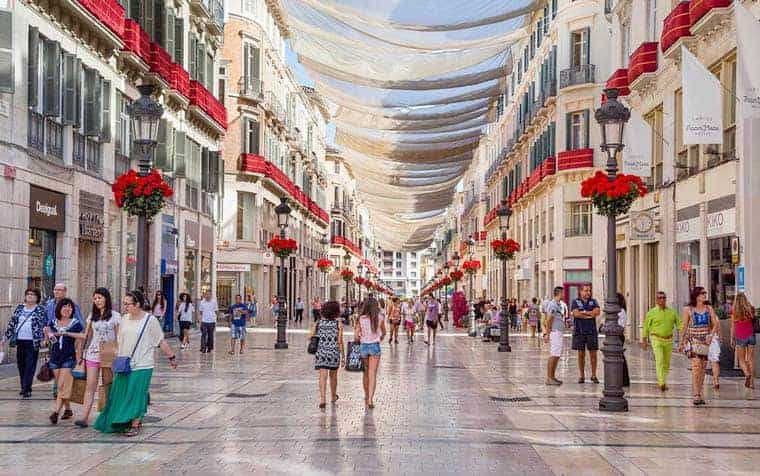
Calle Larios is the quintessential shopping street in Malaga and is also considered one of the most elegant streets in all of Spain. On the main street today there are mainly shops belonging to major international brands, but the side streets are full of more traditional shops. Another area worth considering is Soho, for those looking for independent boutiques and local crafts.
Where to go out in the evening (nightlife)
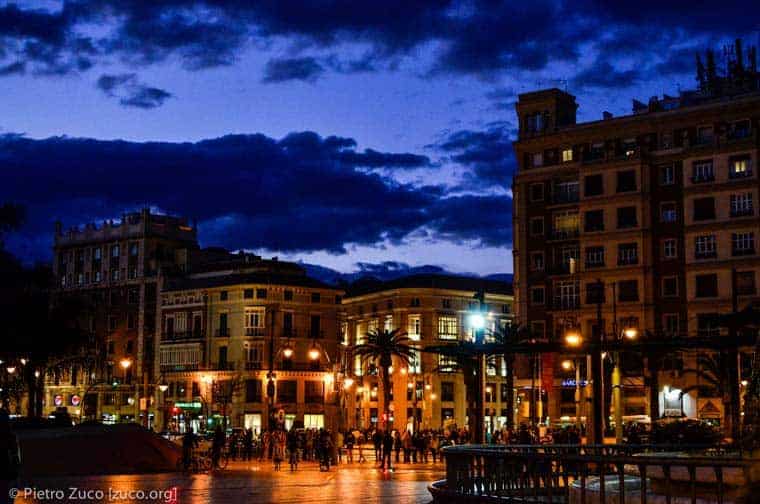
The nightlife in Malaga is among the liveliest and most varied in Andalusia. Here, bars stay open until 4 in the morning, and nightclubs even later. The historic centre is the heart of the nightlife, with countless bars and venues. In Soho, cocktail bars and live music venues abound, while the La Malagueta area is where you’ll find beach clubs and stylish seafront venues. The atmosphere in Pedregalejo is more relaxed.
Opening Hours and Mealtimes
In Spain, mealtimes tend to be a little later than in the UK, especially in Andalusia. In Malaga, it is perfectly normal to have breakfast between 9:00 and 11:00, lunch between 14:00 and 16:00, and dinner between 21:00 and 23:00. These later mealtimes also affect the opening hours of shops, restaurants and other businesses. That said, Malaga is a very touristy city, so you can also find places serving food at times that are more convenient for foreign visitors, as well as venues where you can eat almost at any time of day.
How many days to visit it
Malaga requires less time to visit – or at least to see the most famous historical and artistic attractions – than cities such as Seville or Granada. It can be said that a full day is enough to get a good overview of the city, but of course if you also want to see the lesser-known attractions and, above all, if you want to savour a bit of city life, it is better to devote a few days to it, perhaps using it as a base to visit the immediate surroundings as well.
Time zone, currency, language
Mainland Spain is one hour ahead of the UK, so remember to adjust your watch when you arrive. The currency is the euro; cards are widely accepted, although it is useful to carry some cash for smaller purchases. The official language is Spanish, but English is widely spoken in the main tourist areas.
History, culture and sport
History in brief
The origins of Malaga date back to the 8th century BC, when it was founded by the Phoenicians under the name of Malaka, soon becoming an important trading centre on the Mediterranean. It later came under Carthaginian and then Roman control, and they turned it into a prosperous city thanks to trade and the production of garum (a sauce made from fish entrails and salted fish). With the fall of the Roman Empire, the city was occupied by the Visigoths until the arrival of the Arabs in the 8th century.
During the Islamic period, the city became part of Al-Andalus and experienced a phase of great economic and cultural development. After the dissolution of the Caliphate of Cordoba, it became an independent taifa and, later, was incorporated into the Kingdom of Granada. During these centuries, Málaga established itself as one of the most important ports in the south of the Iberian Peninsula.
In 1487 the city was conquered by the Catholic Monarchs during the Reconquista, thereby entering the Christian world for good. In the centuries that followed, it experienced a period of growth linked to maritime trade, although this was punctuated by periods of crisis caused by epidemics and natural disasters. From the nineteenth century onwards, it underwent significant industrial development, becoming one of Spain’s main economic centres. After a period of decline in the twentieth century, the city successfully reinvented itself as a leading tourist destination, making the most of its historical and cultural heritage and its connection with the sea.
Origin of the name
The name Malaga has a very ancient origin: it comes from the Phoenician Malaka and then evolved into Malaca with the Romans, Mālaqa with the Arabs and finally Málaga in the Spanish language. But its exact meaning is uncertain. One possibility is that it derives from the Phoenician goddess Malache, but the most widely accepted theory is that it has an ancient Semitic root, Melach, and means “Place where fish is salted” because this was one of the most deeply rooted activities in the area.
Coat of arms
The coat of arms of Malaga is closely linked to the historical moment of the city’s conquest by the Catholic Monarchs. In the centre appears the fortified city (with the Alcazaba and the Castillo de Gibralfaro clearly discernible) in front of the sea, with Christian prisoners inside the walls. The city’s two patron saints, Saint Cyriacus and Saint Paula, are depicted in the top left-hand corner, kneeling in prayer. The shield is adorned with a ribbon bearing the inscription “Always courageous, first in danger for Liberty, very hospitable, very beneficent, very noble and very loyal, city of Málaga. So much is worth.”
Football teams and stadiums
The main football team is Málaga CF, which plays at La Rosaleda stadium, with a capacity of 30,000 spectators. There is also Atlético Malagueño, a reserve team of Málaga CF.
University
The Universidad de Málaga was founded in 1972 and is today one of the leading academic centres in Andalusia. It has tens of thousands of students and offers a wide range of courses in the sciences, humanities and economics. Its main campuses are Teatinos, modern and well organised, and El Ejido, which is more central. The university is very active in research and innovation, thanks in part to the nearby Andalusia Technology Park. It welcomes many international students, making Málaga a young and dynamic city.
Famous theatres
Malaga boasts a lively theatre scene and a wealth of historic venues. The most important is the Teatro Cervantes, an elegant 19th-century building that hosts drama, concerts and festivals. Next door is the Teatro Echegaray, devoted to more contemporary and experimental performances.
Famous people (writers, actors)
Malaga was the birthplace of Pablo Picasso, one of the greatest artists of the 20th century, as well as the city’s most famous figure. It is also the birthplace of actor Antonio Banderas and philosopher María Zambrano.