Because of the celebrated beaches, Malaga is a summer destination for hordes of Spanish (and not only) tourists, but at first glance it seems unable to charm the traveller who, inevitably, finds themselves there on their Andalusia trip, having visited cities better known for their beauty.
Yet don’t be put off, because visiting Malaga can bring surprises: reducing the city to its carefree atmosphere of seaside resort or to aspects linked to its port vocation would mean missing the chance to see some genuine marvels, and underestimating its cultural importance.
And so the question naturally arises: between one swim and the next, which attractions should we visit during our stay in Malaga? What to see in this warm and lively city of Andalusia, which we have also included as the starting point in our 10-day Andalusia itinerary? To answer these questions we thought we’d write a brief guide to Malaga in a nutshell.
Contents
The Top 5 things to do in Malaga
Here is a guide to the top 5 attractions in Malaga, all located east of the Rio Guadalmedina and not far from the city’s main monument, the Alcazaba.
The Alcazaba
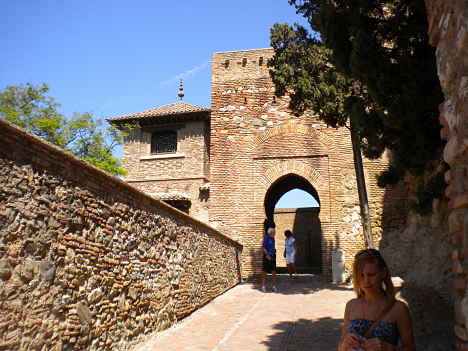
As in all the main cities of Andalusia, there is no shortage of a majestic testimony to the fundamental architectural and cultural contribution of the Arab presence in Spain. The Alcazaba of Malaga — well preserved and partly restored — dates back to the 11th century, when it was built by King Badis Al Ziri as an independent citadel in the heart of Malaga.
For this reason, as well as the elegant pools and fountains, the evocative flower-filled patios beneath the terraces and the mudéjar-style arches of the royal palace, take note of the defensive architectural features that made the Alcazaba an impregnable fortress. Near the path that leads to the Alcazaba, you will find the remains of the Roman Theatre of Malaga, which you can visit free of charge. This interesting find from the Augustan period was uncovered during excavations carried out in the mid-20th century, and now also serves as a stage for open-air performances.
Gibralfaro Castle
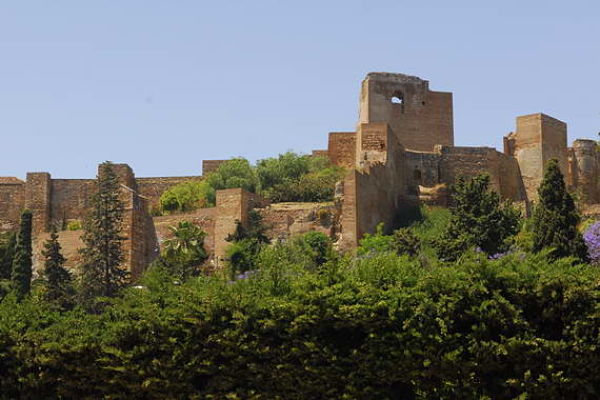
Visiting the Castillo de Gibralfaro is closely linked to a visit to the Alcazaba, and can be done for a small supplement to the ticket price. It is reached via an uphill path that runs along one side of the walls (tracing the route of an ancient barrio, the Coracha). Don’t miss the view of the city from this vantage point: you can take the famous shot of the Plaza de Toros of Malaga from above with your own camera.
The majestic 14th-century castle, also beautifully restored, dominates the whole of Malaga and from its battlements offers superb panoramic views. Inside the castle there is an exhibition on the history of the monument, which we discuss in more detail in our article on the famous castle of Malaga.
The Cathedral
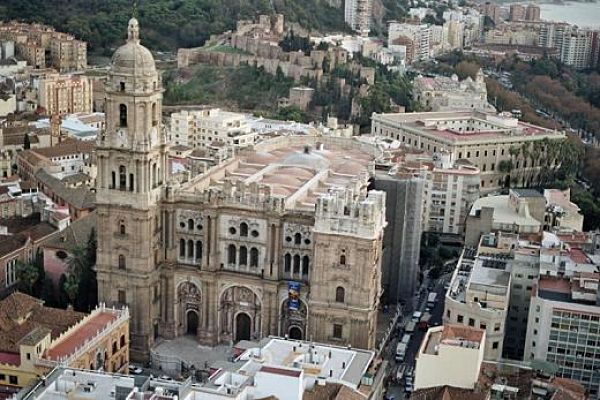
From the castle’s bastions it’s impossible not to notice the majestic silhouette of the Catedral de la Encarnación of Malaga. A Renaissance/Baroque monument rebuilt from the mid-16th century on the foundations of a mosque, the cathedral is known as “Manquita” (“monchina”) because it lacks a tower on its southern side.
Worthy of note are the choir stalls (silleria) and the Capilla de Santa Barbara, which houses a retablo dating from the period before the cathedral was rebuilt in the Renaissance style. But we’ve covered all of this in the article entirely devoted to the Cathedral of Malaga.
Picasso Museum in Málaga
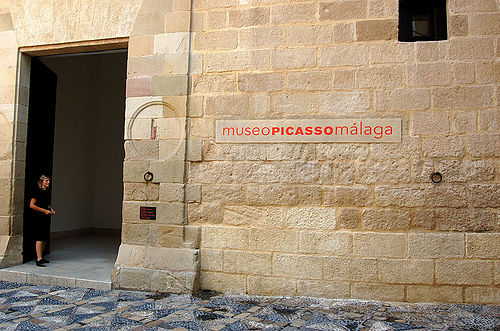
Along the characteristic Calle San Augustin, a narrow, winding alley, you will find the Museo Picasso Malaga, one of the city’s main points of interest, housed in the 16th-century Palacio de Buenavista: Malaga was the birthplace of the great painter, and this museum honours the artist with a very rich collection of works (over 200).
Among these masterpieces, the Olga Khokhlova con mantilla, the Acróbata and many others stand out. In addition to this exhaustive journey through Picasso’s work, it is possible to visit some Phoenician and Roman archaeological remains uncovered during the museum’s construction.
Paseo del Parque
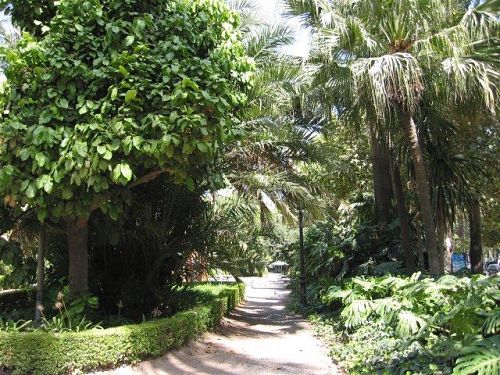
What to see in Málaga after an intensive immersion in the city’s history and culture? Wouldn’t it be better to refresh yourself in the shade of the exotic plants of the Paseo del Parque?
This promenade stretches beneath the cathedral and the Alcazaba, running from Plaza de la Marina to Plaza del General Torrijos, close to the Barrio Malagueta and the Plaza de toros of Málaga.
You will walk among the plants of a lush botanical garden, past fountains, ponds, flowerbeds, sculptures and notable buildings such as the Ayuntamiento and the Casita del Jardinero, which is located near the Rectorate. At the very least, an excellent opportunity to visit Málaga without suffering the considerable heat of the city.
Malaga: what to see? Other places of interest
There isn’t only one way to visit a city, least of all Málaga. What to see once you’ve exhausted this top 5? Which attractions should you devote your time to? Here we offer a number of ideas for exploring the city in even greater depth.
Church of the Sacrarium
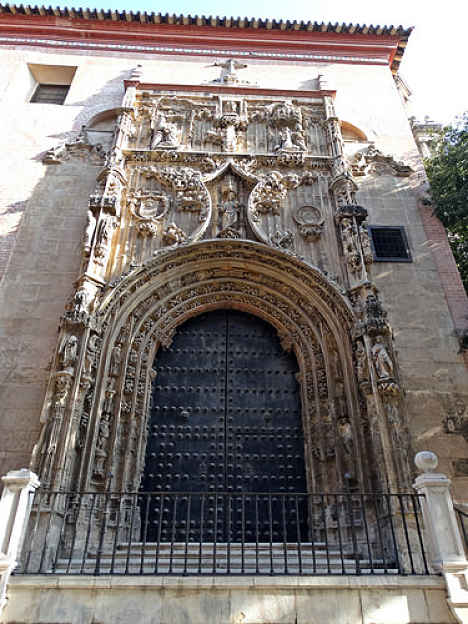
The Iglesia del Sacrario, really very close to the cathedral, strikes travellers with its imposing portada gótica isabelina, the portal in the Gothic style known precisely as Isabelline, or “estilo Reyes Católicos”, dating from the period between the late Gothic and the Renaissance.
Picasso’s Birthplace
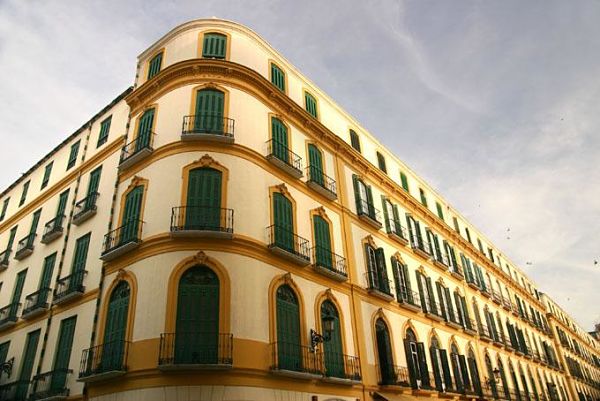
A five-minute walk from the aforementioned Museo Picasso, in Plaza de la Merced, you will find the Casa Natal de Picasso. Inside the building is the foundation bearing his name: it houses some works and objects connected to the great painter’s family history.
Calle Larios and Plaza de la Constitución
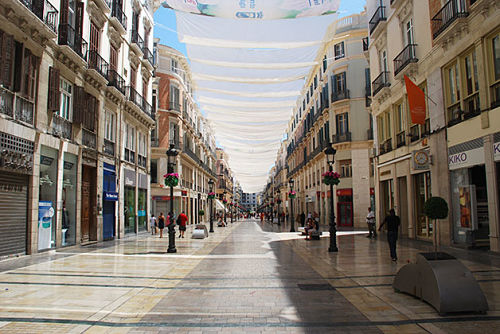
Calle Larios and Plaza de la Constitución are places of interest that undoubtedly represent the nerve centre of the city. Calle Larios in Malaga is the main street of the city centre, modern and fashionable, distinctly European, yet still rich in Andalusian atmosphere: here people stroll, shop, and there are bars, restaurants and ice-cream parlours.
The calle opens onto Plaza de la Constitución, a place of social and political importance for all the malagueños.
Pasaje de Chinitas
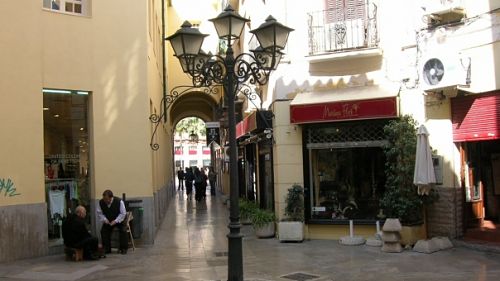
Not just streets crowded with boisterous, exuberant people: Malaga, perhaps to a lesser extent than other Andalusian cities, also reveals to travellers its more hidden side, that of secret little alleyways.
One of the most enchanting is the Pasaje de Chinitas, a lane – behind Plaza de la Constitución – which once housed a venue famed for flamenco, a place moreover sung about in verse by the poet Fernando Garcìa Lorca. Seek it out!
Carmen Thyssen Museum
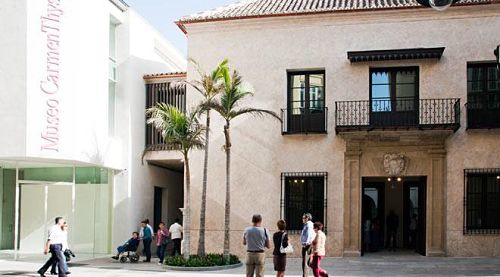
Malaga is a city rich in museums. The Museo Carmen Thyssen, dedicated to the wife of Baron Hans Heinrich Thyssen-Bornemisza, offers visitors a collection of thematically focused works relating to Andalusian culture, most of which were produced in the nineteenth century.
Contemporary Art Centre
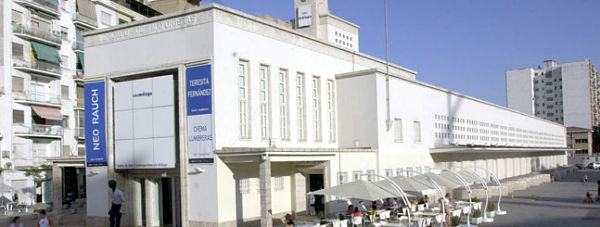
Those who love contemporary art can visit this museum/experimental centre, housed in a singular building of bizarre geometric shapes that was once a market, just a stone’s throw from the river.
Atarazanas Market
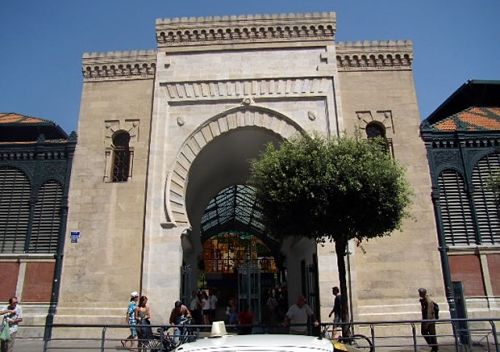
If you’re wondering what to see in Malaga to fully immerse yourself in the vibrant, authentic atmosphere of everyday Andalusian life, a good opportunity can be provided by the late-19th-century Mercato de Atarazanas, a building embellished with an elegant mudéjar-style doorway.
La Concepción Botanical Garden
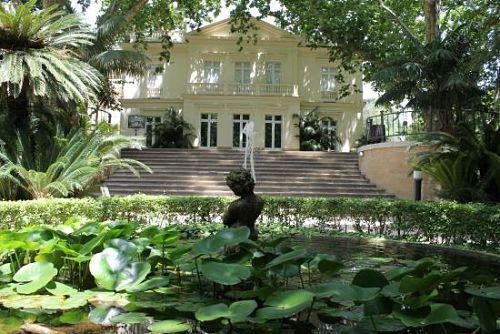
If you enjoyed the walk along the Parque, you can head just outside the centre of Málaga to visit the Jardín Botánico de la Concepción, one of the most beautiful and richest botanical gardens in Andalusia.
Get ready to stroll in the shade of countless exotic plants, breathe in the heady scents of flowers and come across enormous sequoias and unusually shaped trees.
The beaches
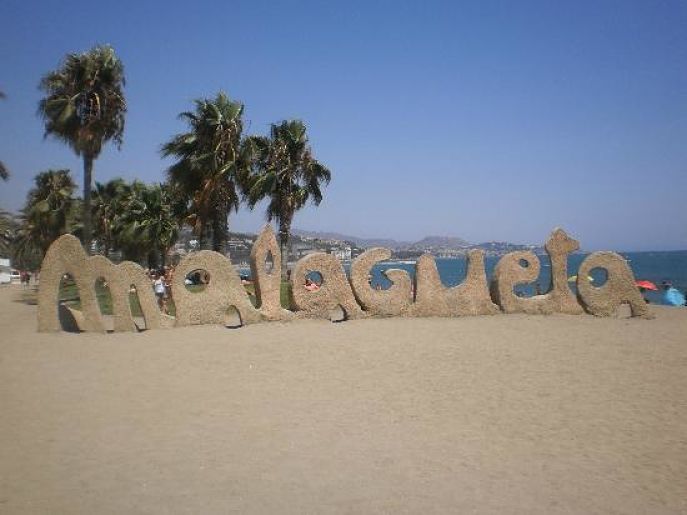
Let’s not forget one of Málaga’s main vocations: tourism! The beaches are certainly among the most significant attractions, although it isn’t easy to find stretches of sand that aren’t heaving with tourists.
In this article we limit ourselves to recalling what is without doubt Málaga’s most famous beach, the aforementioned Playa la Malagueta, a stone’s throw from the city centre.
The King’s Path
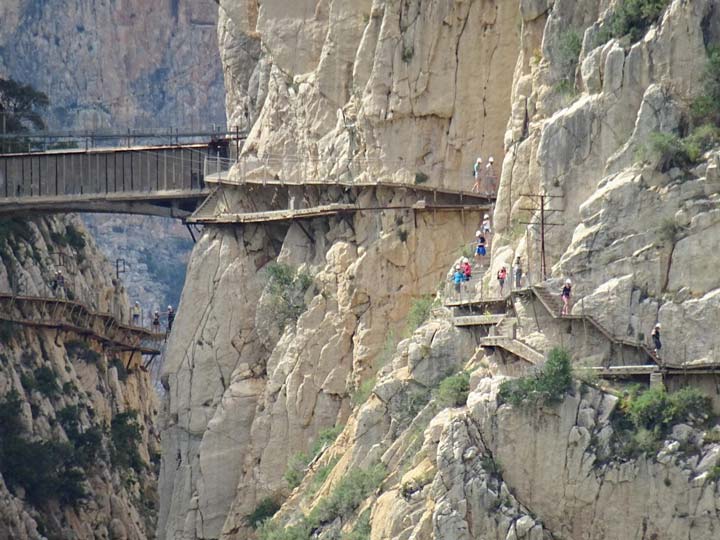
About 50 minutes from Malaga lies a natural treasure. It is one of the most popular excursions: it is the Caminito del Rey, an incredible route through a canyon that runs along walkways, bridges and narrow passages. An experience we recommend to everyone, except those who suffer from vertigo!
Where to park in Malaga?
You won’t need a car to reach the main attractions in Malaga city centre: getting around on foot is the best way to enjoy the city, from the seafront to the museums, the Cathedral and other sights. If, however, you travel between Málaga and the towns along the Costa del Sol, a car can come in handy and, in that case, if your hotel rate doesn’t include parking you’ll need to find a place to park in Málaga. Below you’ll find some very convenient and useful options, not only for the city centre but also for the airport:
- Indigo Mena
- AENA Aeropuerto de Málaga-Costa del Sol – General P1
- SABA Estación Málaga María Zambrano
- Pedrocar Park & Walk – Aeropuerto Málaga
… and now? What are the next steps?
Now that you know what to see in Malaga, it’s time to make some further important decisions. Here are some useful articles:
- tips on where to stay in Malaga
- tips on when to visit Malaga
- tips on where to eat in Malaga
- tips on car hire in Malaga
- available parking in Malaga
- tips on flights to Malaga
- tips on Malaga‘s beaches
