Many travellers plan their Andalusia road trip around visiting Seville, Cordoba and Granada, the three cities where the cultural and historical heritage has left its most precious traces to the greatest extent. But Andalusia is not only a land of Moorish palaces and immense Arab-Christian cathedrals: it should not be forgotten that one of the clearest callings of this rich and varied region is seaside tourism, which unfolds on the well-equipped beaches of the long and varied coast of Andalusia, overlooking the Mediterranean and the Atlantic Ocean.
Below we shall explore in particular the Costa del Sol, therefore mainly the coastline of the province of Malaga (but not only!), which is also the most famous and most visited in the whole region.
Contents
- Where is the Costa del Sol?
- Things to do on the Costa del Sol: top 10
- Beach map of the Costa del Sol
- Itinerary along the Costa del Sol
- Nerja and its beaches
- Torrox and its beaches
- Vélez-Málaga and its beaches
- Rincón de la Victoria and its beaches
- Málaga and its beaches
- Torremolinos and its beaches
- Benalmádena and its beaches
- Fuengirola and its beaches
- Mijas and its beaches
- Marbella and his Beaches
- Estepona and his Beaches
- Casares and his Beaches
- Manilva and his Beaches
- San Roque and his beaches
- La Línea de la Concepción and his beaches
- Where to stay on the Costa del Sol
- Recommended activities and excursions
- When to visit the Costa del Sol
Where is the Costa del Sol?
The Costa del Sol corresponds to the entire coastal stretch of the Province of Málaga, but a small coastal section of the Province of Cádiz is usually included too, namely the part between the boundary of the Province of Málaga and Gibraltar. So, in practice, it is the whole Andalusian coastline facing the Mediterranean Sea, stretching from the Maro-Cerro Gordo cliffs in the north-west to the border with Gibraltar in the south-east.
How do you get to the Costa del Sol?
The most direct way to reach the Costa del Sol is to land at Malaga – Costa del Sol Airport, which is also the main airport for all Andalusia. There are flights to Malaga from many cities, so it is fairly easy to find a convenient direct flight. Once you have landed, you can hire a car directly at the airport, or quickly reach Malaga city centre from the airport by means of the special trains that take less than 10 minutes. From Malaga, many of the main destinations on the Costa del Sol can be reached by bus, but many others are only accessible by car, which is why a hire car is recommended if you plan to do a touring trip, whereas public transport is enough if you are limiting yourself to just a few destinations.
The main alternative is to land at Seville “Diego Velázquez” Airport, which is the region’s second airport. The reason is that the cities from which flights to Seville depart often do not match those from which flights to Malaga depart, so it may be more convenient to take a flight to the regional capital and then travel on to the coast. It all depends on where you live and which airport is your point of reference. If you land here, you first need to get from Seville Airport to the city centre and then you need to take the bus or train to Malaga. The bus is cheaper and more direct: it takes 2:45 h; the train, on the other hand, is more expensive and can either be direct or involve a change at Cordoba: journey times vary from 1:55 h to 2:30 h depending on the service.
Things to do on the Costa del Sol: top 10
Before taking a closer look at all the stops you can make along the Costa del Sol, here is the Top 10 of the truly unmissable attractions!
Malaga Alcazaba
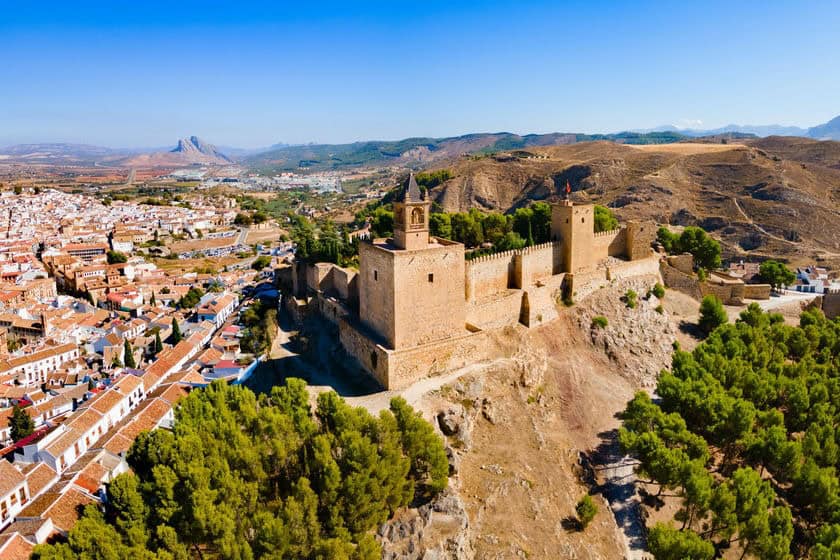
Among the historical attractions that absolutely must be seen, the Alcazaba of Malaga stands out: the fortified citadel that is the main witness in this coastal city to its past under Arab rule. Even if it may not be as famous as the Alhambra in Granada, this imposing castle, which rises on the hill dominating the city from above, is one of the most important monuments of the historical period that more than any other shaped Andalusia. In short: you cannot go to Malaga without visiting its Alcazaba.
Frigiliana
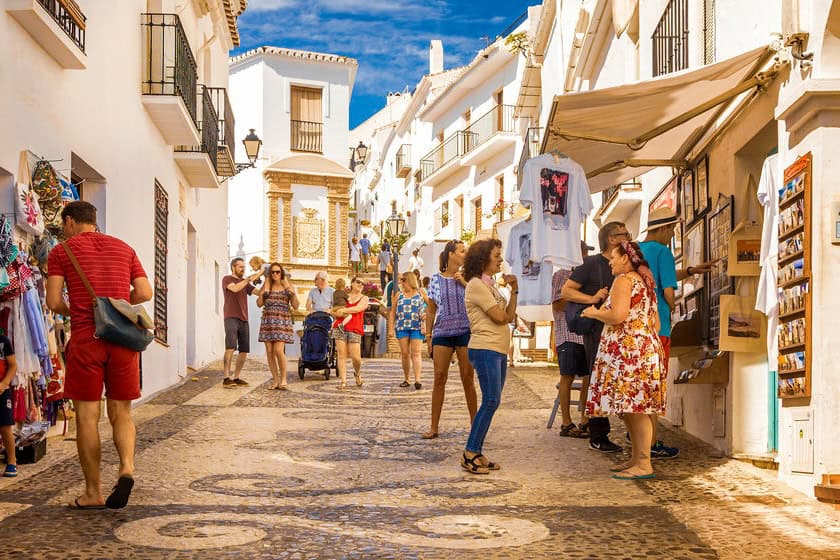
Andalusia is full of small, charming villages and towns, some perched on mountains and others looking out over the sea. Among the very finest is Frigiliana, which is also known as the purest Arab-origin settlement in the province of Malaga. Its winding cobbled lanes that intersect sinuously, the panoramic terraces offering incredible views of the sea, the courtyards opening between the whitewashed houses: every corner of this little town is a surprise. If you have little time available and have to make a strict selection of the villages to visit, this should be right at the top of the list.
Nerja Cave
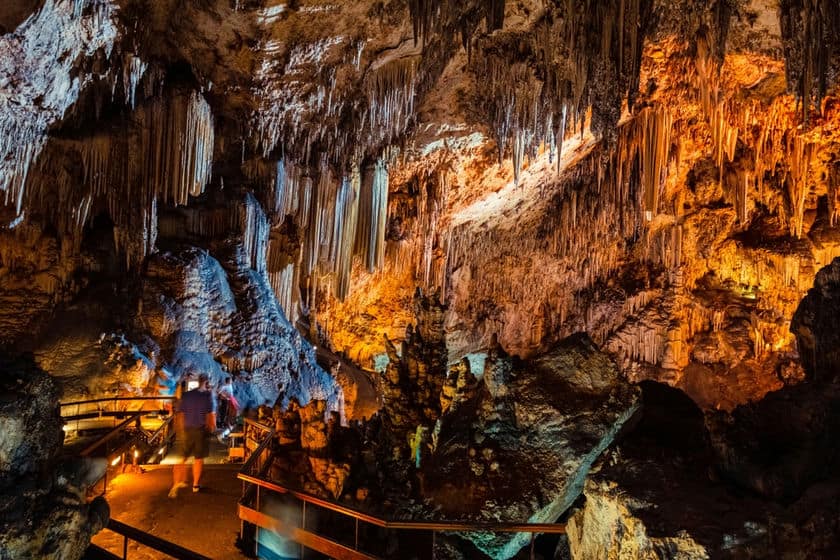
Among the natural attractions, along this stretch of coast the most incredible is undoubtedly the Cueva de Nerja. The town of Nerja is among the main ones east of Malaga and, in its vicinity, a vast cave is hidden, full of stalactites and stalagmites of every shape and size. In addition to being a natural wonder, it is also a place of historical significance, because cave paintings dating back 35,000 years have been found inside it. The cave tour lasts about an hour. Visiting this cavern is an experience worth having in its own right, but it is also an original way to take a break from the sun-drenched beaches, descending into the cold depths of the earth.
Castillo de Gibralfaro
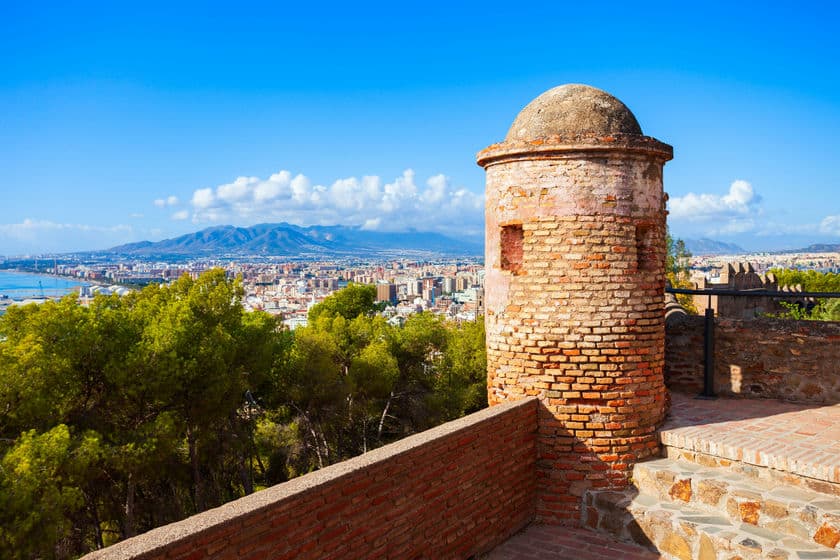
A stone’s throw from the Alcazaba, on the hill overlooking Malaga, there is another, more recent fortification: the Castillo de Gibralfaro. It was originally a Phoenician lighthouse, then transformed into a fortress by the Arab ruler Abderramán III and enlarged by Yusuf I. It was the last bulwark to resist the Reconquista by the Catholic Monarchs in 1487, perfectly fulfilling its role as a stronghold. Today it can be visited, events are held inside it and, above all, from its battlements you can enjoy an extraordinary view over the city and the sea.
Castillo de Gibralfaro: our guide
Colomares Castle
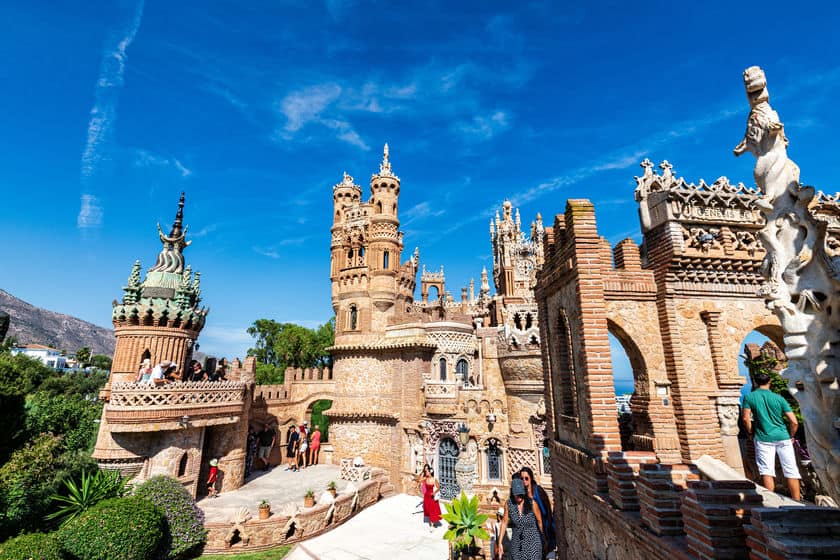
In addition to the aforementioned Castle of Gibralfaro and other proper castles, along the Costa del Sol there is also a truly outlandish one, the Castillo de Colomares. Built between 1987 and 1994, it is a mix of different architectural styles – neo-Gothic, neo-Byzantine and others – and is dedicated to Christopher Columbus. In fact, it is the largest monument in the world dedicated to the explorer who discovered America. As well as being a curious and beautiful attraction, it also has a remarkable record: it houses the smallest church in the world inside it: just 1.96 sq m!
Historic centre of Marbella
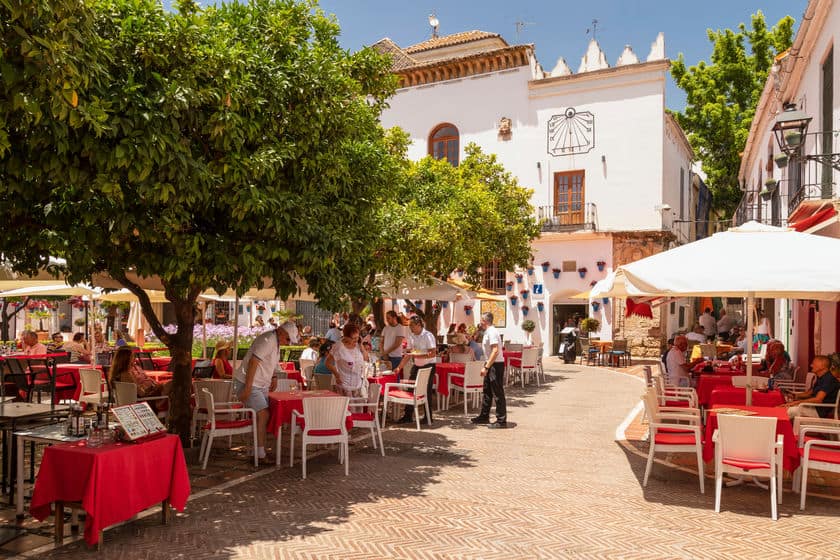
Among the seaside towns of the Costa del Sol, Marbella is the most famous and the most touristy. On the other hand, its beautiful beaches and lively nightlife make it very attractive for tourists who want to relax under the sun and enjoy themselves on warm summer nights. But this seaside resort is also well worth a visit because it has a truly enchanting old town. Churches and historic palaces, flower pots hanging from the white walls of the houses and orange trees adorning Renaissance squares: that is just a taste of what awaits you as you stroll through Marbella’s Casco Antiguo.
Malaga Cathedral
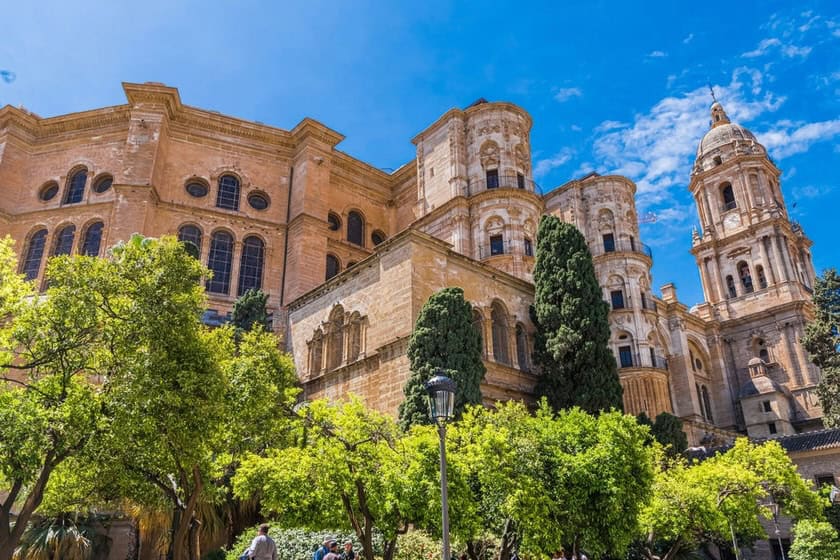
What is the most important church on the Costa del Sol? Obviously the Cathedral of Malaga, which, with its imposing presence, stands out among the buildings in the city centre, revealing all its beauty. The Renaissance Gothic style of its structure, the Baroque façade and the domes that distinguish it certainly do not go unnoticed. A visit to this grand church can also be enhanced by an additional experience: climbing up to the roof to discover its distinctive architecture and enjoy a splendid view over the city from above.
Cattedrale di Malaga: our guide
Casares
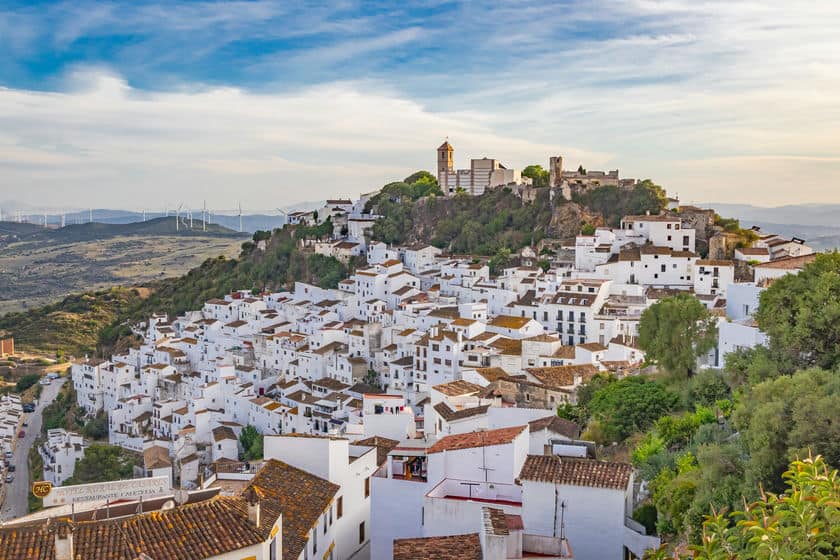
One of the things you really must do when heading a little way inland is take a tour of the White Villages of the province of Malaga: distinctive little towns famous for their whitewashed houses and often spectacular settings, perched on mountains or tucked between beautiful hills. Among the closest to the coast, but also among the most beautiful to visit, is Casares, set on a lovely hill and surrounded by the mountains of the Sierra Crestellina. It is only about twenty minutes from the coast, yet it feels like being in a completely different place from the beaches along the shoreline.
Estepona historic centre
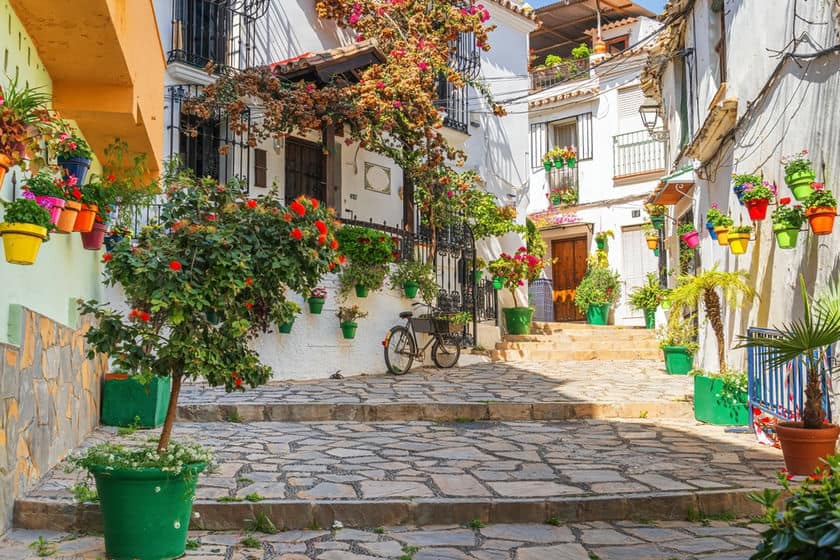
Estepona is one of the most famous coastal towns and seaside destinations in the province of Malaga: its beaches are very popular and are also fully equipped and easy to reach from the town centre. But don’t think of it only for the sea: the centre of this town is among the prettiest along the Costa del Sol. Getting lost among its alleyways and lingering in its many little squares is an absolute must. In addition, throughout the centre there are both numerous murals and tiles on the walls bearing poems by Antonio Machado, Juan Ramón Jiménez and other poets.
Balcón de Europa
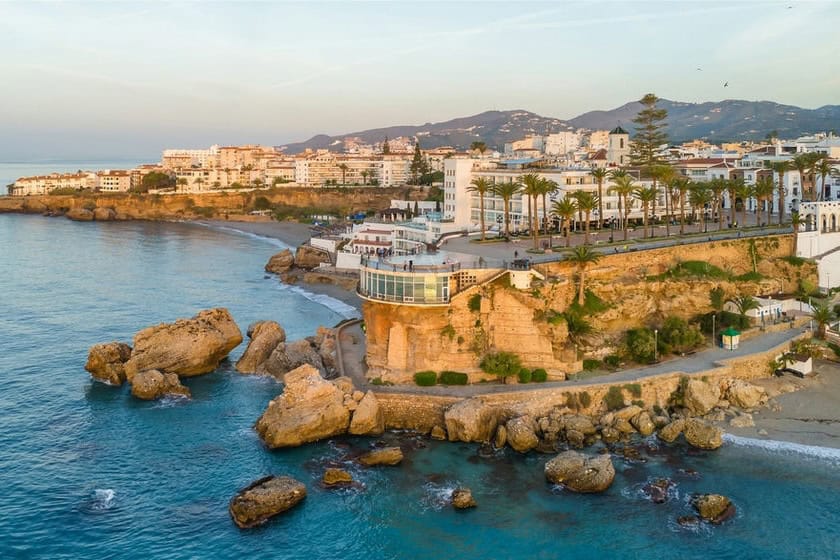
The town of Nerja is famous for its broad terrace overlooking the sea, known as Balcón de Europa, built above the foundations of an ancient watchtower from the Arab period. From here, there is an excellent panorama of the coast, while the Boquete de Calahonda, the small arch located on the side facing the town centre, is a perfect setting for tourists’ souvenir photos.
Beach map of the Costa del Sol
Itinerary along the Costa del Sol
The Costa del Sol stretches along a fairly long stretch of the Andalusian coastline, and there is truly an endless number of places to see, beaches to relax on, and towns to explore. I have already put together what I consider to be the Top 10 must-see places, but below we will look at all the possible stops along the coast, from north-east to south-west.
Nerja and its beaches
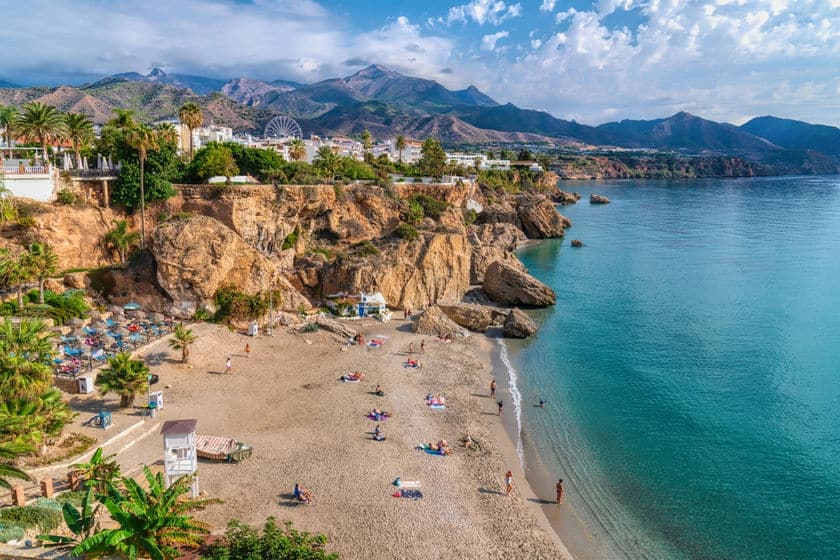
The easternmost municipality on the Costa del Sol is Nerja, one of the most important towns in the area and famous for the Balcón de Europa and the Cueva de Nerja (which is no coincidence that I included both in the Top 10), for churches and museums, but also for its splendid beaches. The large beach in front of the town is Playa Burriana, bordered by the attractive Carabeo road, where you can stroll along the seafront and stop at one of the many restaurants and bars. Right in front of the town centre there are also Playa Carabeo and Playa Carabeillo, then the tiny Playa el Chorillo tucked between the rocks and nearby Playa de la Calahonda and Playa el Salón on either side of the Balcón de Europa. There are also three large beaches: Playa la Caletilla, Playa la Torrecilla and Playa El Chucho.
There are then many more beaches both east and west of the town. To the east we find, among others, the cove Playa Chica (with the famous Piedra de Tarzan) and Cala Barranco de Maro, then Playa de la Caleta and the larger Playa de Maro, opposite the village district of the same name. There are then, one after the other, Playa del Molino de Papel, Playa de las Alberquillas and Cala Torre del Pino, which together create a very long stretch of sand. At the western end of Nerja’s territory we finally find the beautiful Playa del Cañuelo. From here on, the Acantilados de Maro – Cerro Gordo natural area extends, beyond which the Costa Tropical begins.
West of Nerja, on the other hand, stretches a huge beach, known as El Playazo (or del Rio Seco), which reaches as far as the mouth of the Arroyo del Meli stream. Finally, a little further on are Playa El Limite Nerja and Playa Güilche. Ah, Nerja is also the perfect starting point for visiting the town of Frigiliana, which I have already mentioned in the Top 10, and which is located in the mountainous area behind it.
Torrox and its beaches
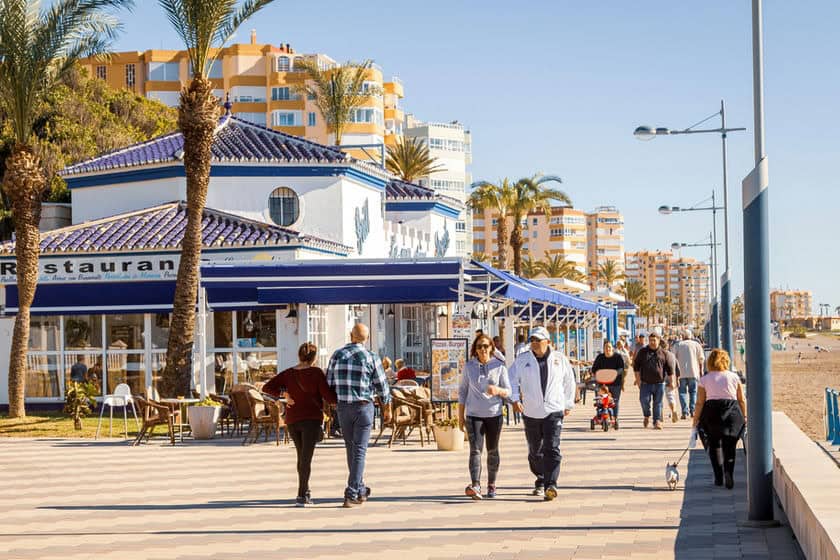
Torrox is a historic little village perched among the hills, slightly inland, but on the opposite shoreline stands Torrox Costa. Under the sea, however, not far from the coast, lies the wreck of the ship El Delfin, which was shipwrecked in 1937 and has since become a destination for divers who descend to see it up close. From a historical and artistic point of view, it is the village of Torrox that is most worth a visit, but for those looking for beaches, Torrox Costa offers a decent choice.
Starting from the north-eastern border with Nerja, you immediately come across two beaches along the road, but outside the built-up areas: Playa de Vilches and Playa Calaceite. In front of the town of Torrox Costa, however, there are two very long stretches of sand on either side of the mouth of the Río de Torrox. To the east it is called Playa del Peñoncillo; to the west it is split into Playa de Torrox, Playa de las Lindes, Playa los Llanos, Playa las Dunas, Playa de El Morche and Playa del Cenicero.
Vélez-Málaga and its beaches
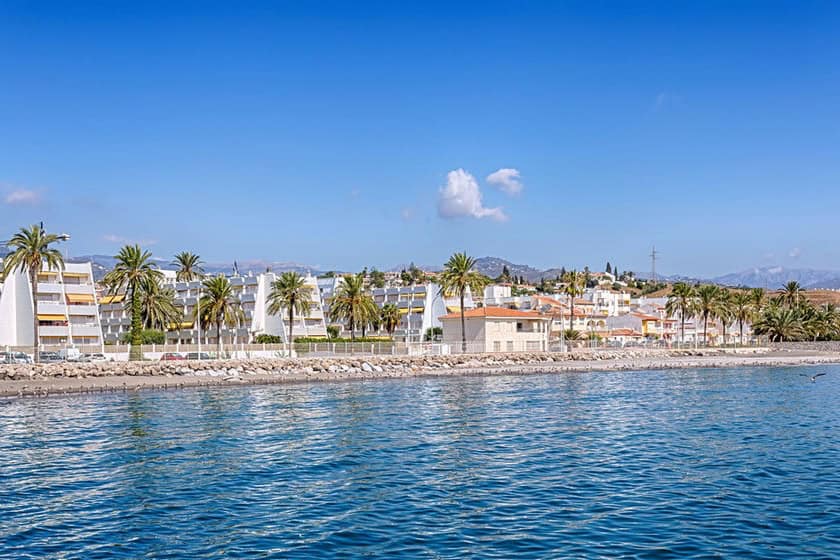
Vélez-Málaga is one of the most important towns to the east of Malaga, famous for being Europe’s leading producer of tropical fruit, but also for its rich history. It is well worth visiting its old town and, from its castle, there are splendid views of the coast, where some of its outlying districts also lie, renowned for their modernity and lively nightlife on the warm, sunny beaches. The best known are Torre del Mar and Caleta de Vélez, where hotels, restaurants and places to go out abound. Caleta de Vélez also has a tourist marina.
Looking in detail at the beaches, they begin to the east with those situated opposite the two small towns of Lagos and Mezquitilla: Playa de Lagos and Playa de la Mezquitilla, precisely. Then we find Playa de Algarrobo-Costa, which, to be exact, does not belong to the municipality of Vélez-Málaga, but to that of Algarrobo, which extends into Vélez’s territory with this stretch of coastline. We therefore come to Playa de la Caleta de Vélez, located right next to the tourist harbour, followed by the very long Playa de Torre del Mar.
Proceeding west there are then many beaches, all very broad and always easy to reach, but outside the main built-up area: Playa canina el Torero (for dogs), Playa de Almayate (which also has the nudist section Playa naturista de Almayate), Playa de Almayate-Bajamar, Playa de Valle Niza, Playa Benajarafe and Playa de Chilches.
Rincón de la Victoria and its beaches
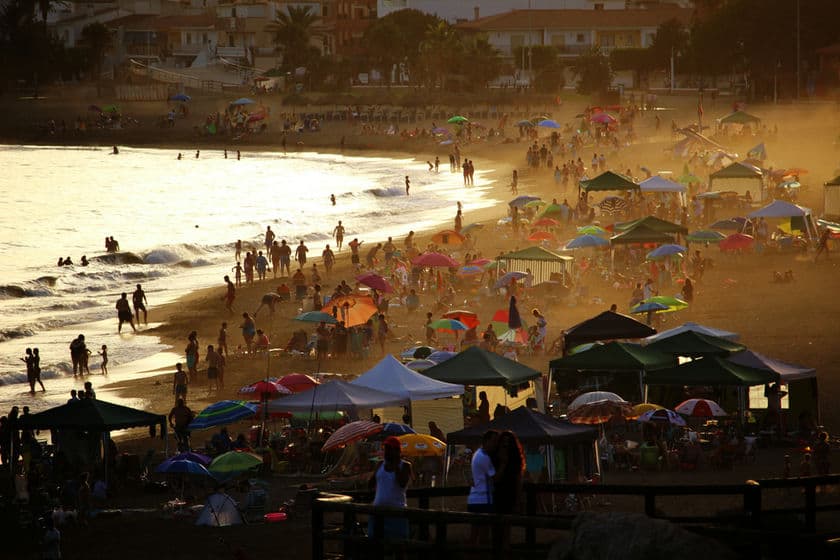
Rincón de la Victoria is the last town you come to travelling from east to west before reaching Malaga. From a historical and artistic point of view it does not have the same attractions as other nearby towns, but there is still something to see, such as the Bezmiliana Fortress, the El Cantal Tower and the archaeological site of the Roman villa of Antiopa. But a truly unmissable attraction is the Cueva del Tesoro (Treasure Cave), a cave unique of its kind in all Europe and one of only three known in the world. It is in fact a cave whose galleries have been carved out and sculpted by waves and marine currents. It can be visited inside and is a real wonder.
Of course, tourists are drawn by Rincón’s more than 8 km (5 miles) of beaches. The eastern section is made up of the very long Playa de Rincón de la Victoria, while in the western area Playa Cala del Moral and Playa de la Butibamba follow one after the other.
Málaga and its beaches
Here we come to Malaga, the provincial capital and the most important city on the Costa del Sol. I won’t dwell here on what to see in Malaga, as we have already devoted plenty of space to this topic in our detailed guide. After all, it is among the most important cities in Andalusia and the main one among those on the coast. In addition, some of its most famous attractions I mentioned above in the Top 10.
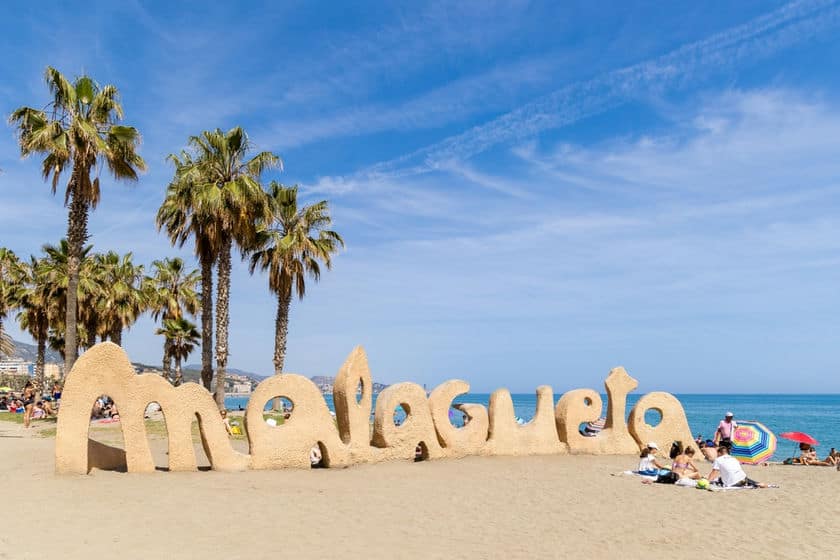
Let us now move on to Málaga’s beaches. Everyone knows Playa de la Malagueta, the city beach where anyone visiting this city goes at least once for a stroll or to dive into the waters of the Mediterranean. But Málaga has other beaches too. To the east, starting from the border with Rincón de la Victoria, there are the tiny Playa de la Araña and the scenic Playa Peñon del Cuervo in the area furthest out from the city. You then arrive in the more urbanised area of Malaga-Este with Playa El Dedo and Playa Virginia (which together form one large beach), and then the Playas del Palo and Playa de las Acacias: a series of beaches bordered by breakwaters, one after the other. Before La Malagueta there are still two beaches: Playa Pedregalejo and Playa de la Caleta.
To the west of La Malagueta lies the city port, but immediately afterwards other beaches begin. The first adjacent to the port is the very long strip of sand made up of Playa de Huelin and Playa de San Andrés, with the last section known as Playa de la Misericordia. After the pier, the beach continues with Playa de Sacaba. This leads to the natural area at the mouth of the Rio Guadalhorce, where there is also a beach with a decidedly more unspoilt character than the city beaches mentioned above, namely Playa Guadalhorce. Immediately afterwards, heading south-west, the last beaches of Malaga are Playa Guadalmar (which also has a nudist section) and Playa de San Julián.
Torremolinos and its beaches
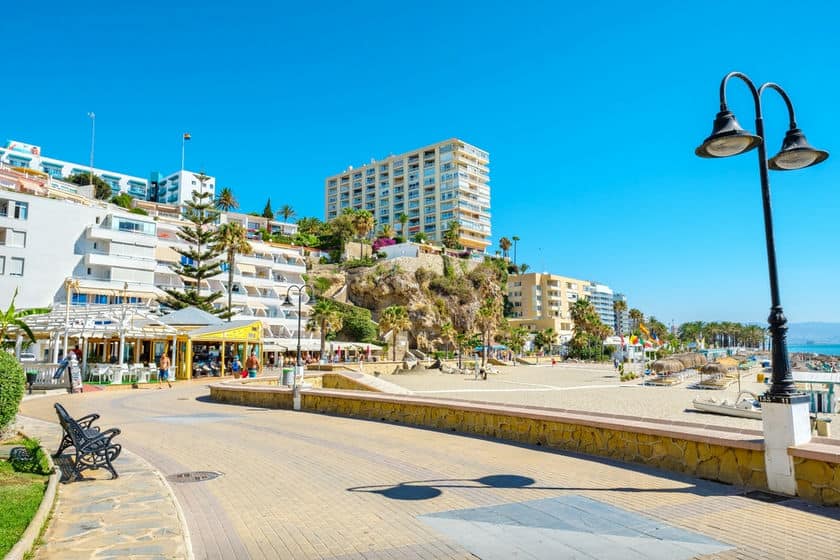
This is the first town to the south-west of Malaga and one of the quintessential seaside resorts, where people go solely for the beach life and the evening nightlife. Indeed, facing the beautiful sea of the coast are miles of well-equipped, hugely crowded beaches, overlooked by an endless series of intrusive, rather anonymous hotels and urban developments.
From the 1960s to the present day, Torremolinos has become just that: a slightly kitsch urban centre that exists for the sake of the wildest summer fun for tourists from central and (above all) northern Europe in search of sun and sea, who have literally settled here. In short, if you are looking for a town devoted to the most enjoyable nightlife, with beach parties, nightclubs, pubs and restaurants, this is the place for you.
Seeing in detail what the beaches are, to put it simply we can say that there are just two, because they are in fact two long continuous stretches of sand, divided from one another only by the small headland where the panoramic terraces Mirador de Sansueña and Mirador de Inés Gutmar are also located. The large eastern beach is split, as a matter of nomenclature, into Playa de los Álamos, Playamar and Playa Bajondillo; the western beach, in turn, is split into Playa Rincón del Sol and Playa de la Carihuela.
Beaches in Torremolinos: our guide
Benalmádena and its beaches
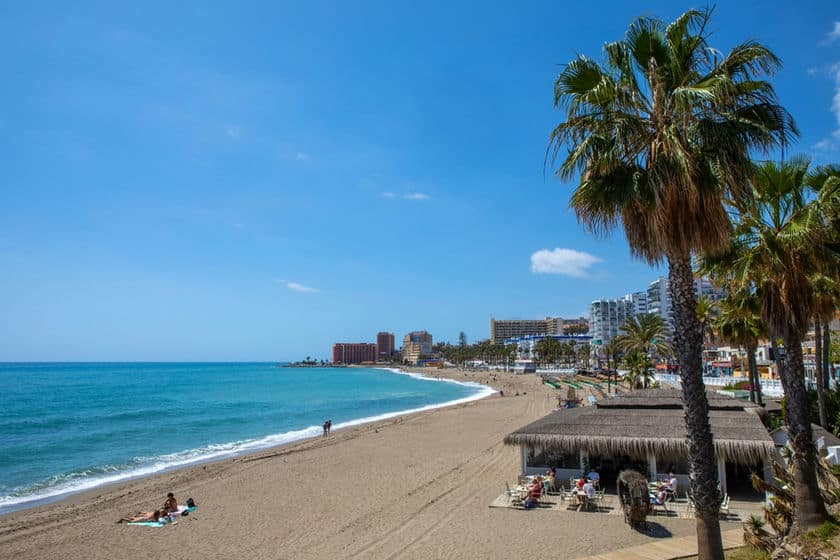
Following the coast to the south-west, after Torremolinos there is the municipality of Benalmádena. This town is split into two parts, as is the case with many other places in the area: the inland village and the large urban development on the coast. The most famous attraction is undoubtedly Castillo de Colomares, which I have already mentioned in the Top 10, but there is also a museum of pre-Columbian art and a few other small sights. The coastal area is less interesting from a historical and architectural point of view – the only notable feature is the curious Castillo de El-Bil-Bil – but here too there are beaches where you can relax and enjoy yourself.
Next to the harbour lies Playa Detorrebermeja. Immediately after that comes Playa de Santa Ana, followed by the town’s main beach: Playa de Bil Bil, where the small castle is located. This continues as Playa del Arroyo de la Miel y los Melilleros and Playa de las Verdas. Beyond the small headland, you will find the narrower Playa de Torre Vigía.
Continuing further west, there is a long succession of smaller beaches: Playa de Torrequebrada, Playa de la Yuca, Playa Las Viborillas, Playa Malibu Palace, Playa de Arroyo Hondo, Playa de Torremuelle, Playa de la Morera, Playa de Tajo de la Soga and Playa de Carvajal.
Benalmádena and its beaches: our guide
Fuengirola and its beaches
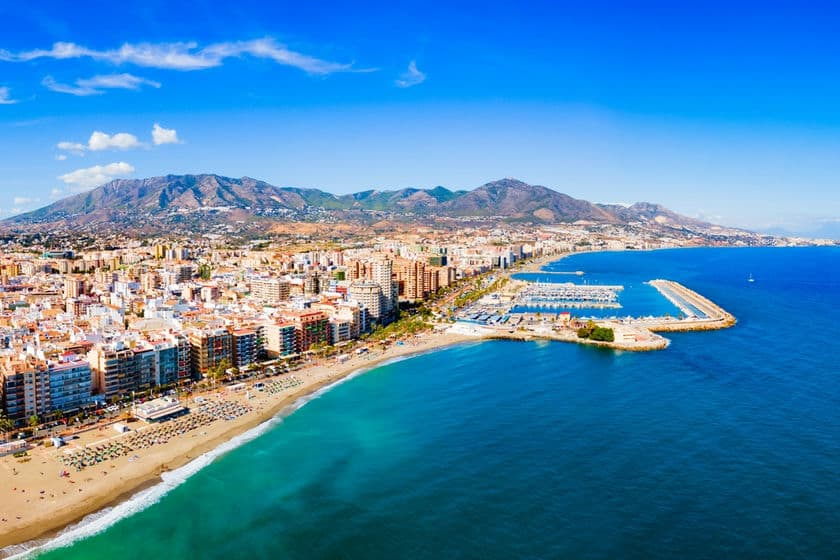
Among the best-known seaside towns is Fuengirola, which stretches along the coast and is especially popular for beach holidays. The town centre also has a few sights worth seeing, including Roman archaeological remains and, above all, Castillo de Sohail. Even so, this is primarily a destination for its beaches. In the north-eastern part of town, you will immediately find a long stretch of sand beginning with Playa de Carvajal (shared with neighbouring Benalmádena) and continuing with Playa de Torreblanca.
The town’s main beach is Playa de las Gaviotas, which stretches for one mile and is fully equipped. Its south-western section is known as Playa de los Boliches. Then comes the marina, followed immediately by another very long stretch of sand, known depending on the section as Playa Alexis, Playa de Santa Amalia and, beyond the mouth of the Río de Fuengirola, Playa del Ejido (or Playa del Castillo, as it lies at the foot of Castillo de Sohail), which also has a dog-friendly section.
Fuengirola and its beaches: our guide
Mijas and its beaches
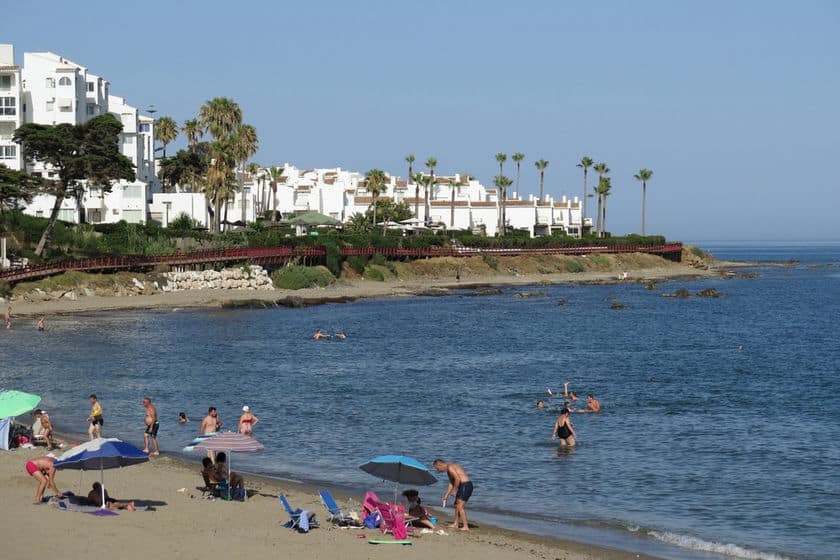
In the hills behind Fuengirola lies Mijas, a very picturesque town that is well worth visiting. With its historic churches and small hermitages, an attractive Plaza de Toros and a contemporary art museum, it offers a well-balanced mix of sights. The municipality of Mijas also extends down to the coast, immediately south-west of Fuengirola, where there is a series of beautiful beaches. Unlike neighbouring Fuengirola, the seafront here is not as heavily urbanised, with only a few quieter residential areas behind the coastline.
The series of beaches begins in the north-east with Playa Mare Nostrum, followed by the wide Playa Los Tajos and the small Playa de la Campana (in practice, little more than a patch of sand among the rocks!). Next comes Playamarina Naturist Beach, which is, as the name suggests, a nudist beach, and a little further on the very long Playa del Chaparral.
Here, the strip of sand continues uninterrupted, although each section has a different name. In order, you will find Playa de las Buganvillas, Playa La Cala, Playa de la Butibamba and Playa El Bombo. After a rockier stretch, the beaches begin again: this is essentially the large Playa La Calahonda, which in some sections is known by the names of the beach clubs, such as Playa La Luna and Royal Beach.
Marbella and his Beaches
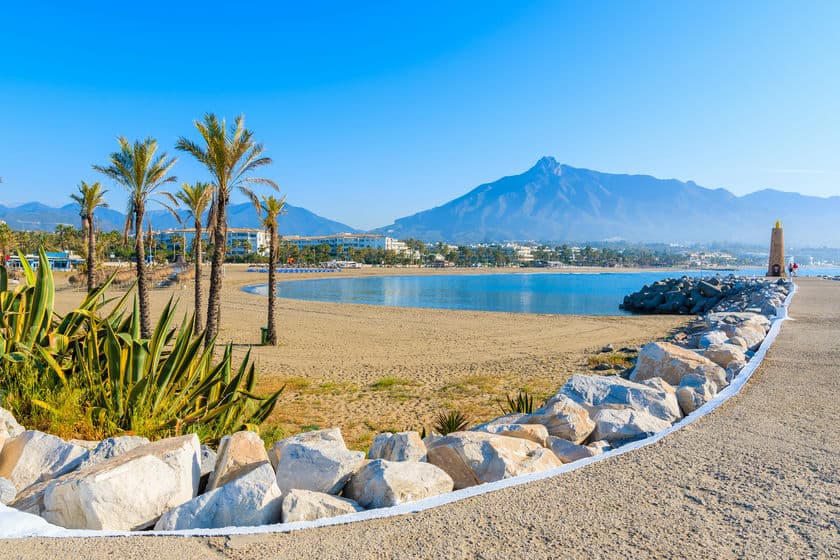
Continuing south-west, you eventually reach the most interesting and sophisticated city on the entire Costa del Sol, as well as the most expensive after Málaga: Marbella. Framed by the hills of the Sierra Blanca, Marbella is home to the famous Puerto Banús (where celebrities’ yachts moor) and offers several beautiful, highly exclusive beaches. It also boasts a historic centre that is well worth exploring: the Casco Antiguo (old town), which extends around Plaza de los Naranjos and still retains the Andalusian identity that has now been almost entirely lost in many other towns along the Costa del Sol. In Calle Portada, you will find the remains of a beautiful Moorish castle.
There is no shortage of beaches: there are plenty to choose from, with something for every taste! Starting from the small Puerto de Cabopino (beyond which lies Playa de Calahonda, shared with Mijas), you will find Playa de Cabopino, known for its dunes (Dunas de Artola). This is followed by three consecutive beaches: Playa de las Cañas, Playa de la Víbora and Playa de Las Chapas. Some access points are also known by different names based on the beach clubs, such as Playa Don Carlos or Playa Marbella Gema. Next comes the very long and well-known Playa del Real de Zaragoza, which, thanks to its length and its location outside the main urban area, is often relatively uncrowded and ideal for anyone looking for peace and crystal-clear water.
The next stretch of coastline begins to become more urbanised, although it is still outside the town centre: Playa del Río Sequillo and Playa El Alicate, as well as the long Playa los Monteros and the following Playa del Pinillo and Playa del Cable. You then reach the beaches located directly in front of the town centre, which are therefore also easy to access if you do not have a car. There is a series of smaller beaches between the two marinas: Playa de la Bajadilla, Playa de Rio Real and Playa de Venus. Immediately after the Marbella Lighthouse, you will find two more urban beaches: Playa del Faro and Playa de la Fontanilla.
Moving away from the town centre, there is a very long stretch of sand made up of Playa Casablanca and Playa de Nagüeles, followed by the equally extensive Playa Río Verde and then the very upmarket beach at Puerto Banús. Beyond the most exclusive marina on the Costa del Sol, there is a series of small beaches separated by breakwaters: Playa del Duque, Playa Nueva Andalucía and Playa El Rodeito. Next comes a large dog-friendly beach, Playa canina Ventura del Mar. Finally, there is the long stretch of beach in front of the district of San Pedro de Alcántara, divided into three sections: Playa del Cortijo Blanco, Playa de San Pedro de Alcántara and Playa de Linda Vista. Beyond the mouth of the Arroyo del Chopo stream lies Marbella’s final beach: Playa Guadalmina.
Beaches in Marbella: our guide
Estepona and his Beaches
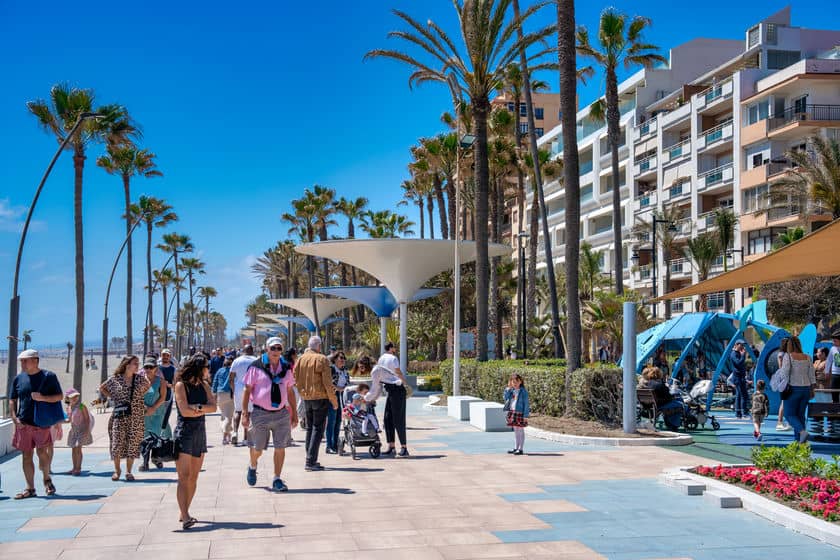
One of the most beautiful towns on the Costa del Sol is Estepona: it is no coincidence that I included its historic centre in the Top 10. But besides the town centre already mentioned, there are also numerous beaches along its coastline. To the east of the town lies a very long stretch of sand extending towards Marbella, divided by name into Playa Salduna, Playa del Saladillo, Playa del Sol Villacana and Playa Guadalmansa.
Beyond Punta de Guadalmansa (the headland where the Villa Romana Las Torres is located), another very long beach stretches along the coast, divided into Playa Arroyo de las Cañas, Playa del Velerín and Playa del Castor. Next comes Punta del Castor, beyond which you will find the last two large beaches before reaching the town: Playa del Padrón and Playa de Punta Plata.
In front of Estepona town centre, meanwhile, are Playa de la Rada (one section of which is known as Playa de la Cala) and Playa del Cristo, on either side of the harbour. To the south-west of the town, you will find Playa del Padrón, Playa Arroyo Vaquero, Playa Bahía Dorada and Playa de la Galera.
Casares and his Beaches
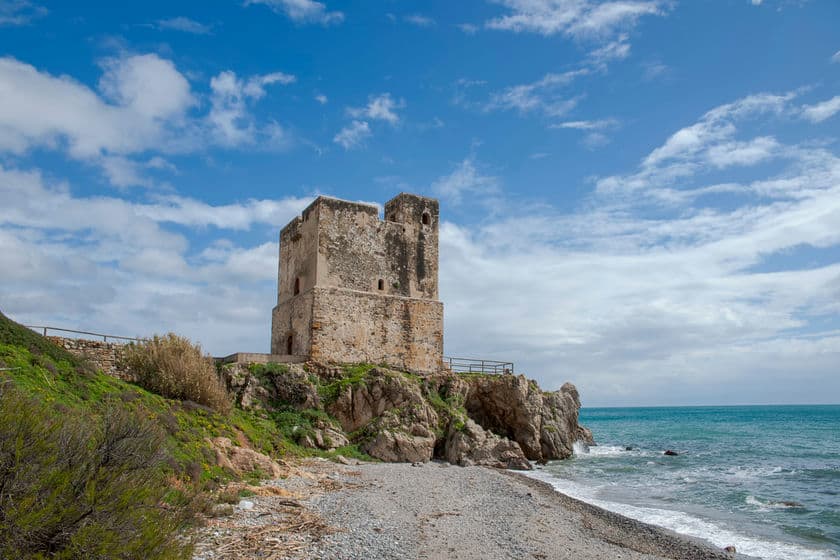
I also included the village of Casares in the Top 10, so I will not go into any more detail about the reasons for visiting it. Although the village itself lies inland, the municipality extends all the way to the sea, where you will find the resort area of Casares Costa. The coastline here is short, but it has two very large and popular beaches: Playa de las Piedras de la Paloma (overlooked by the Torre de la Sal) and Playa de Casares (locally divided into Playa Chica and Playa Ancha, meaning small beach and wide beach).
Manilva and his Beaches
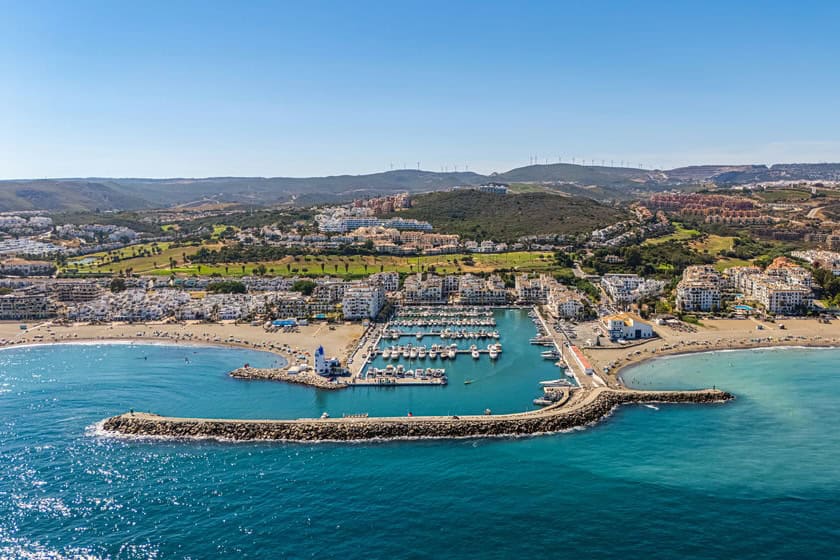
Manilva is a much less famous village than some of the others, but its stretch of coastline is well known, both for its residential areas where holidaymakers spend their vacations and for beach tourism. In practice, the beach consists of one very long strip of sand, interrupted at one point by the marina of La Duquesa. Depending on the section, however, the beach has different names. In order: Playa de Sabinillas, Playa de la Colonia and Playa de las Gaviotas to the north-east of the harbour, while to the south-west are Playa de la Chullera, Playa Aldea, Playa del Negro, Playa de Tubalita, Playa del Gobernador and Playa de los Toros.
San Roque and his beaches
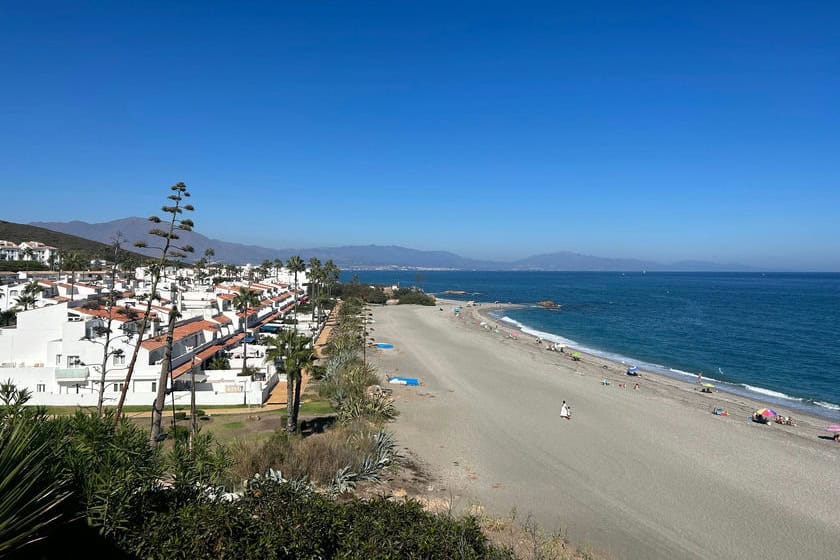
The municipality of San Roque is the first in the province of Cádiz that you come across when travelling along the coast. As in several other cases, the historic town lies inland (and in this case much further south!), but there are a number of seaside resorts along the coast. The main one is Torreguadiaro, although there are also some beautiful beaches backed by much less developed areas.
In the northernmost area is Playa de Cala Sardinia, a fairly secluded and peaceful beach. Then comes the main beach of the resort, Playa de Torreguadiaro, while to the south of the town there is a very long stretch of beach. The first section is known as Playa de Sotogrande, and the second as Playa del Guadalquitón. Further on is Playa de Torrecarbonera, beneath the lighthouse of the same name.
La Línea de la Concepción and his beaches
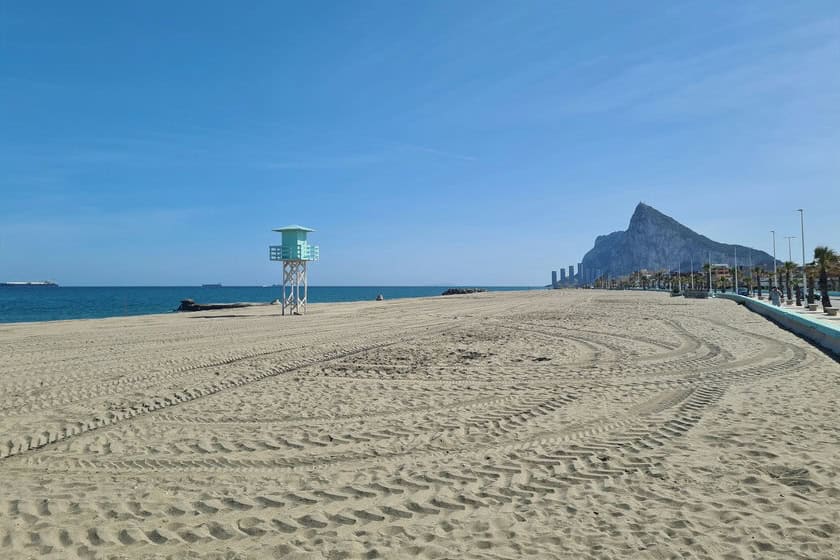
The second municipality in the province of Cádiz overlooking the Costa del Sol — and the last before British Gibraltar — is La Línea de la Concepción. This is where the Costa del Sol comes to an end, with one final large urban centre that certainly does not lack beaches. In front of the district of La Alcaidesa (the northernmost part of the municipality) lies the attractive Playa de la Alcaidesa, followed immediately by the seemingly endless Playa de la Hacienda, which can only be reached on foot via paths, as there are no roads leading directly to the beach.
As you approach the urban area, the coastline continues uninterrupted with Playa de Torrenueva and Playa del Burgo in front of Santa Margarita, followed by Playa de Sobrevela in front of El Zabal. In front of the centre of La Línea de la Concepción, meanwhile, you will find Playa de la Atunara and Playa de Santa Bárbara.
Where to stay on the Costa del Sol
The Costa del Sol is one of the most popular tourist areas not only in Andalusia, but in the whole of Spain. This means there is a wide choice of hotels, apartments and all kinds of accommodation for visitors. This map gives you a good overview of where to stay, but if you are looking for accommodation in the main destinations, here are the relevant links:
- Accommodation in Malaga
- Accommodation in Nerja
- Accommodation in Vélez-Málaga
- Accommodation in Fuengirola
- Accommodation in Marbella
- Accommodation in Estepona
Recommended activities and excursions
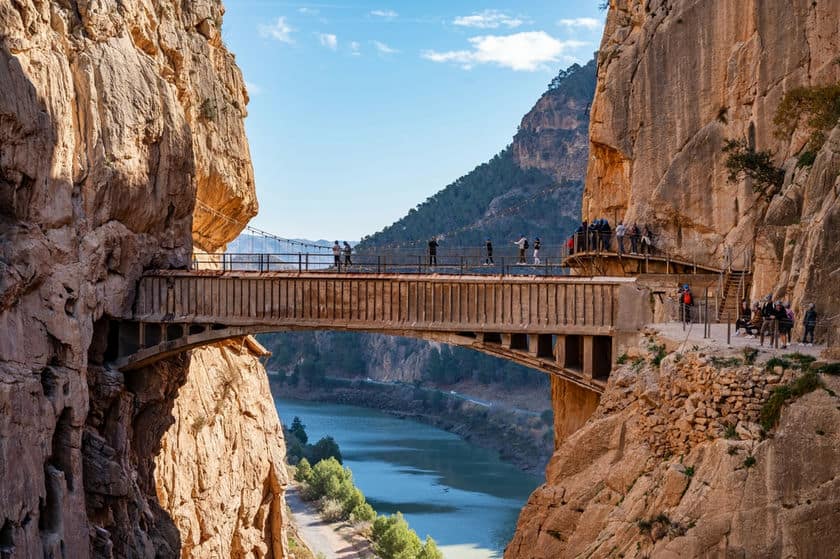
Here are some of the best activities and excursions to enjoy during a holiday on the Costa del Sol.
- Complete tour of Málaga: : the best way to discover the city’s history and make sure you do not miss its most important sights.
- Marbella & Mijas Day Trip: a tour from Málaga to discover these beautiful towns on the Costa del Sol..
- Nerja & Frigiliana Day Trip: explore the beautiful village of Frigiliana and the fascinating Nerja Cave on a day trip.
- Ronda & Setenil Day Trip: discover Ronda, famous for the bridge spanning the gorge between the two sides of the town, and Setenil, one of the most remarkable Pueblos Blancos.
- Caminito del Rey Day Trip: want to experience the thrilling Caminito del Rey? This is the perfect tour!
- Antequera Dolmens & El Torcal Day Trip: incredible rock formations and ancient dolmens that tell the story of a distant past.
- Gibraltar Day Trip: a tour to visit this British territory on the Strait of Gibraltar..
When to visit the Costa del Sol
The climate of Andalusia might suggest avoiding this region in summer, especially if your aim is to explore its cities and enjoy its rich historical and artistic heritage. Spring and autumn are in fact the ideal seasons for a cultural trip to Andalusia, as they allow you to avoid the intense heat that characterises the summer months.
The Costa del Sol, however, like the neighbouring stretches of coastline, is visited precisely for the sunshine that warms its beautiful beaches and crystal-clear sea. So if your aim is to enjoy a seaside holiday — perhaps with a few cultural excursions nearby — then the summer months are obviously the best choice. We have also dedicated a specific article to the best time to visit Málaga, and broadly speaking the same considerations apply to the nearby coastal resorts.
