The charm of Cádiz is more unique than rare, a seaside city that bears the traces of a millennia-old historical and cultural heritage. We have put together a guide to Cádiz that is as complete as possible, packed with information, advice and tips on what to see in the city, which areas to choose for accommodation, where to sample the best traditional dishes, and much more, so that travellers can make the most of the lively, ironic vitality of Cádiz.
Contents
Geographical information
Where is Cadiz?
Cadiz is located in the autonomous community of Andalusia, which makes up the southernmost area of Spain. Andalusia is also the largest Spanish region and is home to other important cities such as Seville (which is its capital), Granada, Málaga, and Cordoba, as well as lovely small towns and enchanting beaches.
How big is it?
The city covers an area of just under 5 square miles, while the province of Cádiz covers an area of over 2,870 square miles.
What is its altitude?
It is 13 metres above sea level, right on the coast.
How many inhabitants does it have and what are they called?
Cadiz has around 110,000 inhabitants, known as gaditanos in Spanish.
Is Cadiz on the coast?
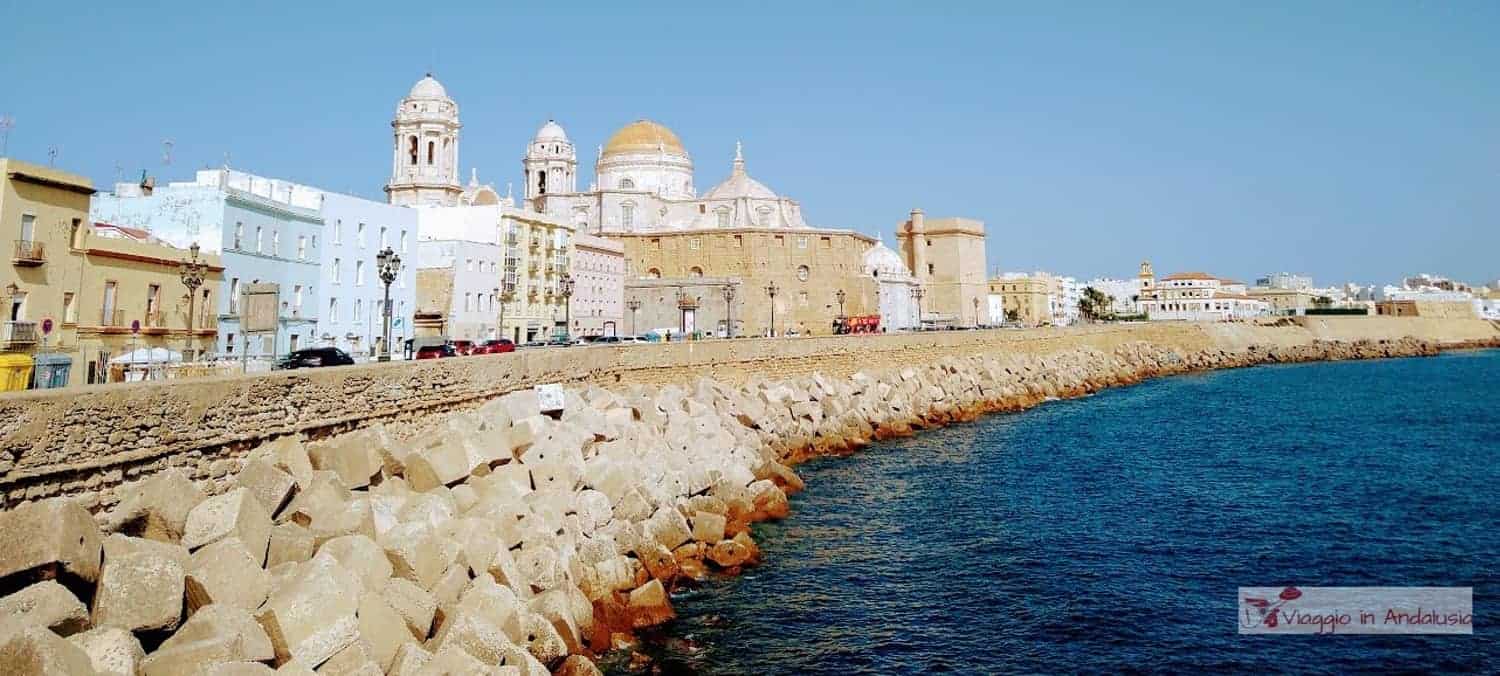
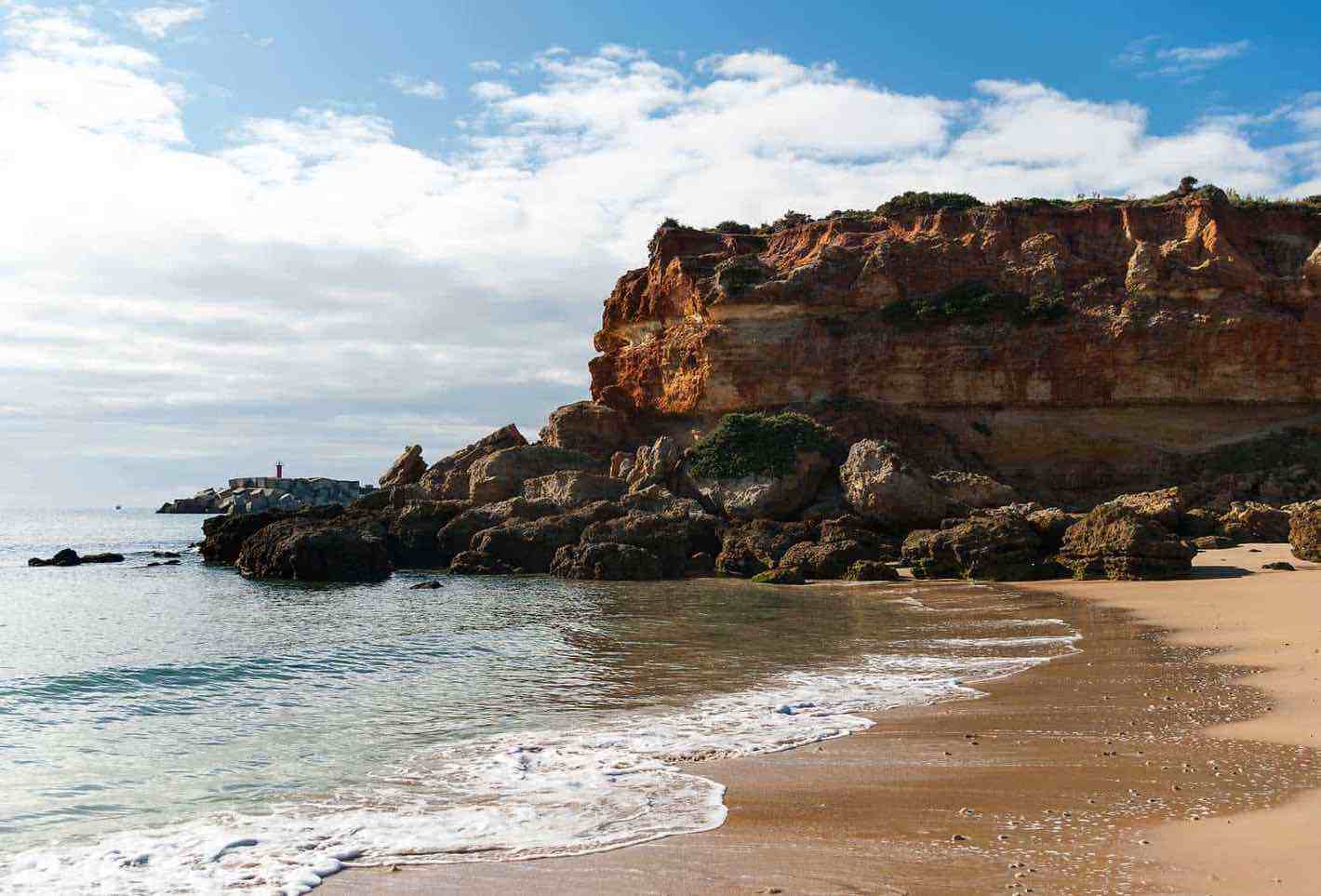
Cadiz sits on a small peninsula that forms the Bay of Cadiz, so it is very much a seaside city.
Are there any rivers in Cadiz?
The city itself is not crossed by any river, but the province is crossed by the Guadalete River, which flows into Cadiz Bay. The smaller Río San Pedro also flows into the bay.
Cadiz climate and average maximum temperatures in Cadiz
Cadiz has a Mediterranean climate, despite facing the Atlantic Ocean. Summers are hot and sunny, but the ocean breeze makes it decidedly less stifling than the cities of inland Andalusia. The maximum temperatures in July and August are usually around 28°. Winters are mild and the coldest month, January, has lows of around 9° and highs of 16°. The wettest period is autumn, particularly the months of November and December, while summer is very dry and often in July and August not even a single day of rain is recorded.
Tourist information
How to get there
Cadiz is in southern Spain, at the western end of Andalusia. It does not have an airport, so it is not possible to reach it directly by plane from the UK. However, Cadiz is well connected overland by both train and bus to other Andalusian cities.
Looking at the region’s two main airports (Seville and Malaga), from Seville you should allow 1 hour and 45 minutes by train or 1 hour and 25 minutes by bus. Malaga, on the other hand, requires a longer journey (around 4 hours) because it involves at least one change.
If you are following an Andalusia road trip itinerary, Cadiz is 75 miles and about 1 hour and 20 minutes from Seville and 143 miles and about 2 hours and 40 minutes from Malaga, the two nearest provincial capitals.
Airport and where to fly from
The nearest airport, the only one in its province, is Jerez de la Frontera, but it is served only by domestic flights and very few international flights (none from the UK). Seville Airport is the most convenient for direct flights.
How to get around
If you are planning a road trip through Andalusia, you can hire a car in Seville or Malaga (the cities with the main airports), but it is also possible to hire one in Cadiz. If, for example, you land in Seville and arrive here by train, you can then hire a car and begin your Andalusian road trip. To visit the city, however, a car is not necessary: the city centre is very easy to explore on foot.
Where to park
If you are travelling by car and your hotel does not include a garage in the rate, or if you still need to use it to get from one part of the city to another, below you will find some car parks in Cadiz that, in our experience, are very convenient:
Public transport
Although Cadiz is easy to get around on foot, there is a good bus service that allows you to reach every part of the city. Therefore, speed up your journeys by using public transport when necessary.
What is it famous for?
Cadiz is known for being the oldest city in Europe, which makes it inherently appealing to history enthusiasts. Among the sights to see in Cadiz are the Catedral Nueva, the Roman Theatre, the Oratorio de la Santa Cueva and the Oratorio de San Felipe Neri. But it is especially worth getting lost in the narrow streets of the historic quarters, as well as relaxing and enjoying yourself on the beautiful beaches of Cadiz.
Important festivals and other events
In Cadiz, the carnival is very famous, known as a festival of international tourist interest, and, as throughout Andalusia, the celebrations for Holy Week are much cherished. In addition, various towns in the province have famous festivals, such as the Feria del Atún (a food festival dedicated to tuna held in Barbate) or the Carreras de caballos de Sanlúcar (horse races held on the beach at Sanlúcar).
Neighbourhoods
The centre of Cadiz has a few districts that are more worth visiting than others. One example is the Barrio del Populo, with its narrow, winding lanes, the old fishing quarter of Barrio de la Viña, the elegant El Mentidero district, or Barrio Santa María, with its flamenco venues.
Where to stay
As the distances in the centre of Cádiz are very short, any district is a good place to look for accommodation from which to visit the city. In the article dedicated to where to stay in Cádiz we explored the advantages of the different areas in more detail.
Areas to avoid
In general, Cadiz can be said to be a very safe city, so there are no districts that could really be considered dangerous. A few more working-class neighbourhoods and more outlying areas – such as Cerro del Moro or La Paz – are less advisable for a tourist, but other than that there are no major concerns.
Towns and attractions in the surrounding area
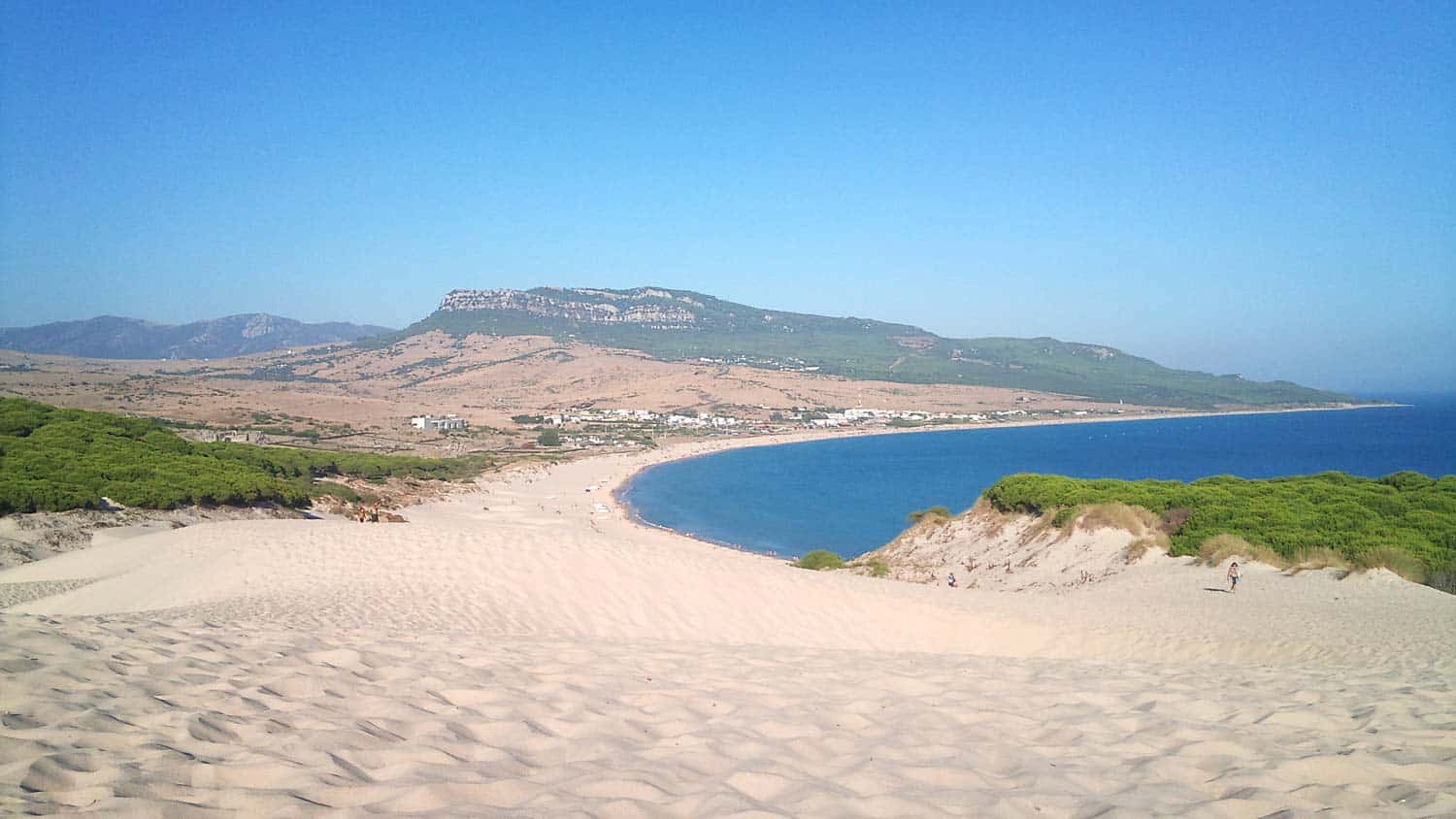
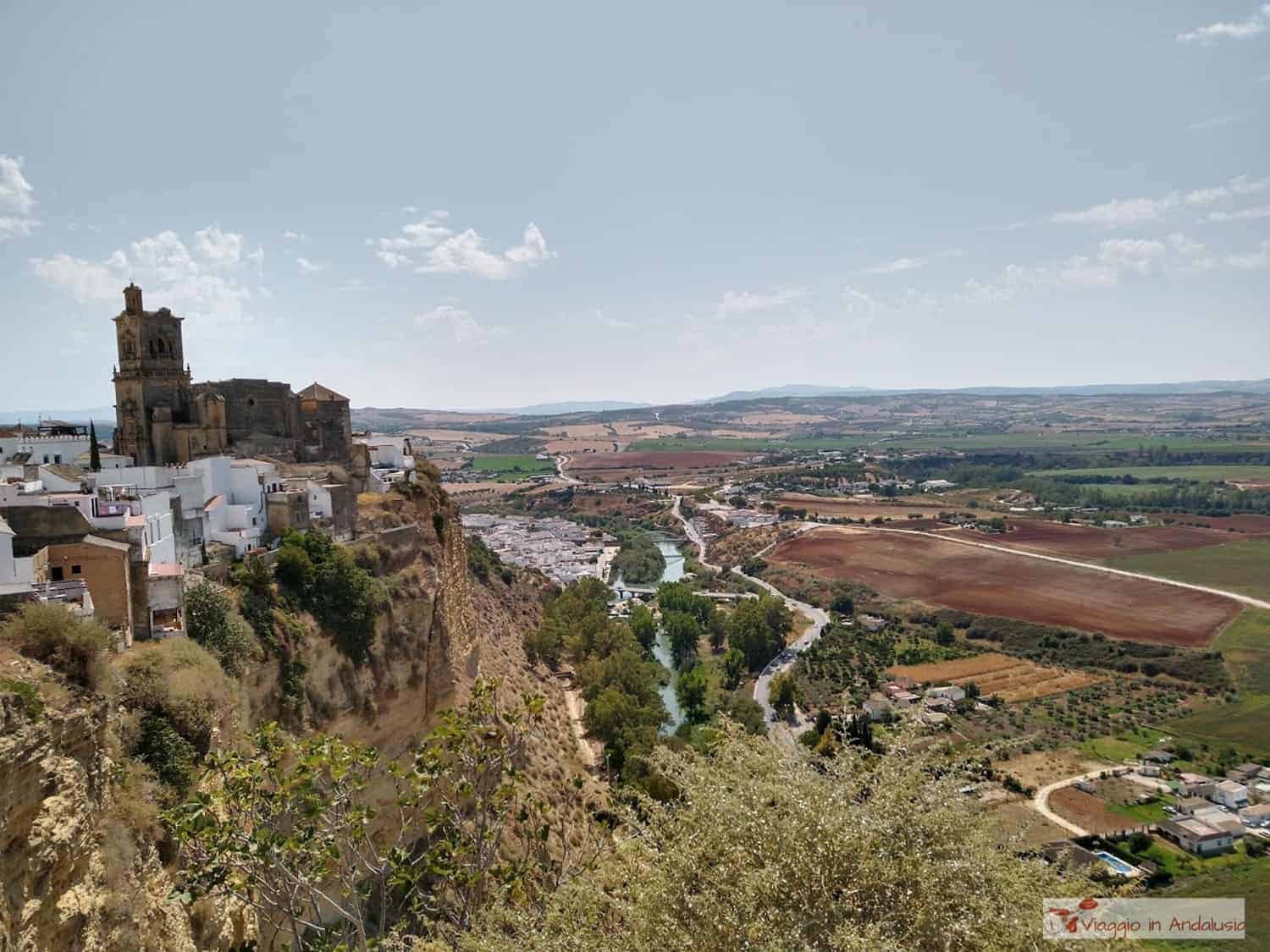
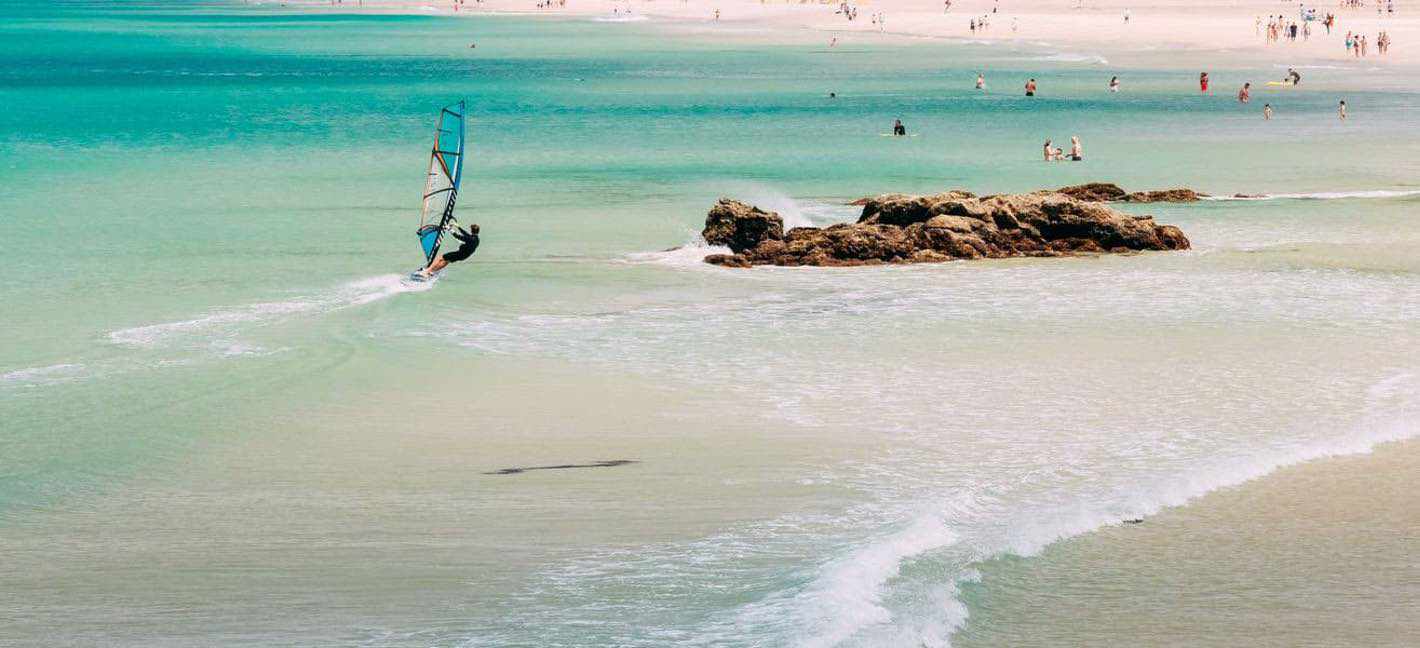
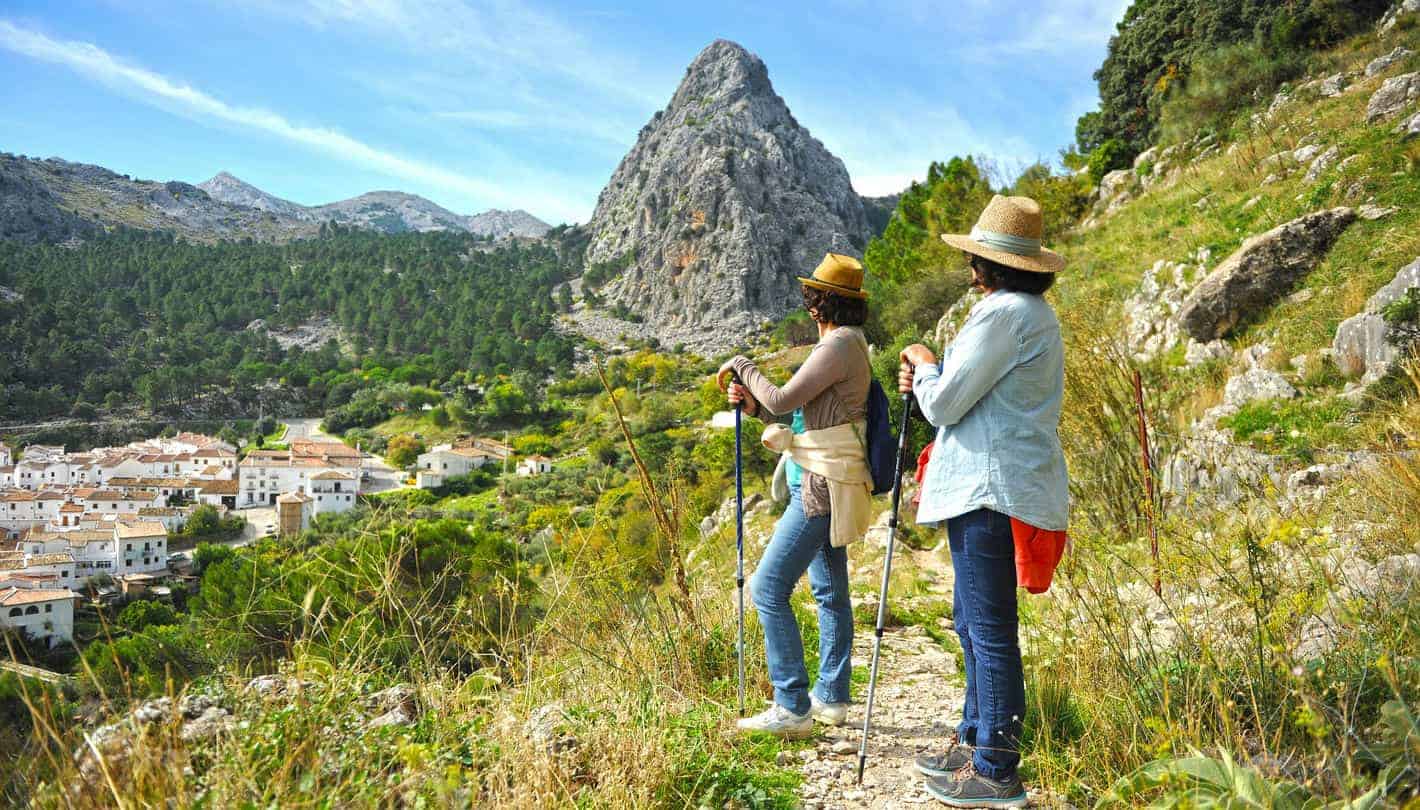
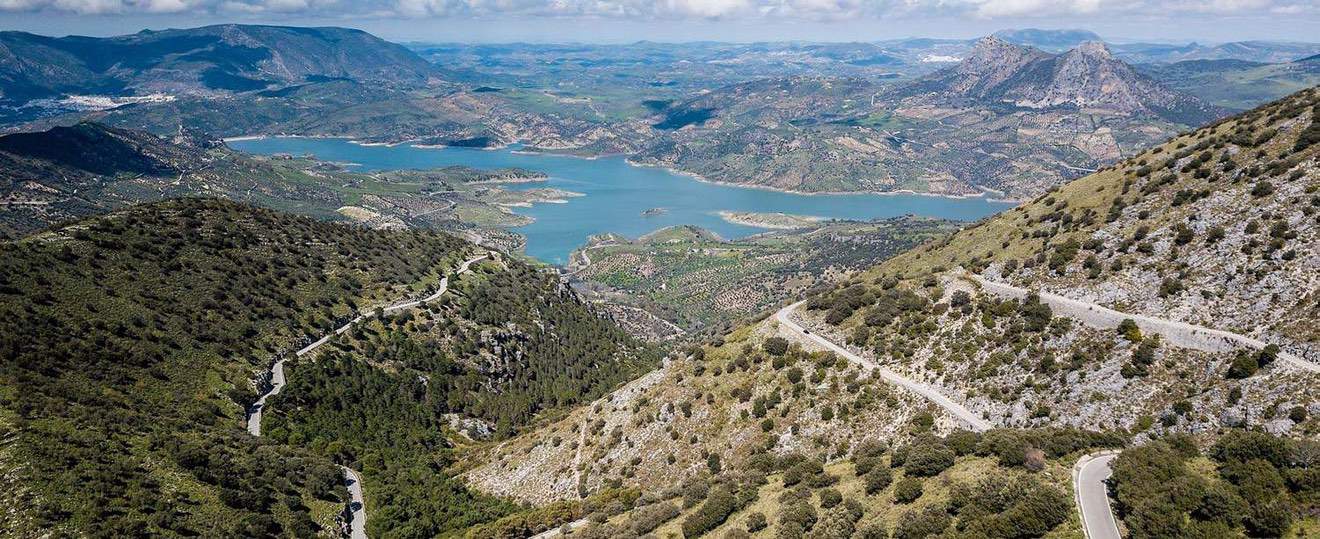
The most important city in the province of Cádiz is Jerez de la Frontera, absolutely worth visiting, as well as Arcos de la Frontera and Vejer de la Frontera (which, although they all share the same surname, are quite far apart from one another). Also not to be missed is Setenil de las Bodegas with its houses set into the mountainside and the numerous coastal towns, including Sanlúcar de Barrameda, El Puerto de Santa María, Conil de la Frontera and the famous Tarifa. And speaking of the coast, how could we fail to mention the numerous and splendid beaches of the Costa de la Luz? Moreover, not far from Cádiz are the marshes and wetlands of Doñana, protected within Doñana National Park.
Traditional food
Many people go to Andalusia and look for tapas in every city, but this is a custom typical above all of Granada and Seville, while in the other Andalusian cities it is harder to find them in their truly cheap, beer-accompanying form. In a city like Cádiz, on the other hand, there are dozens of excellent dishes to try, especially fish-based ones: after all, it is one of the most important seaside cities. A few examples: Pescaíto frito (the classic fried fish), Tortillitas de camarones (small shrimp fritters) and Papas con choco (potatoes with cuttlefish stew). Then there are the dishes based on Atún rojo de Almadraba (Almadraba bluefin tuna), which is one of the highlights of these seas.
Where to eat
Cadiz has no shortage of restaurants, and you can find every kind: from elegant and refined ones to simpler, more popular places. In the article dedicated to where to eat in Cadiz, we have listed a selection of recommended restaurants to try the local typical dishes.
Car hire
Most tourists who hire a car to explore Andalusia do so at the airports of Seville and Malaga, which are the region’s airports where most flights land. If, for some reason, you arrive in Cadiz by public transport and want to set off from here for a road trip, be aware that there are several car hire companies in the city anyway, particularly near the port.
Shopping
Although Cádiz is not famous for shopping, it is perhaps more authentic than many other cities when it comes to the shops you can find along its streets. The entire old town is full of shops selling souvenirs and handicrafts, while for local products you can head to the central market. There is also no shortage of shopping centres where you can find all the big chain stores.
Where to go out in the evening (nightlife)
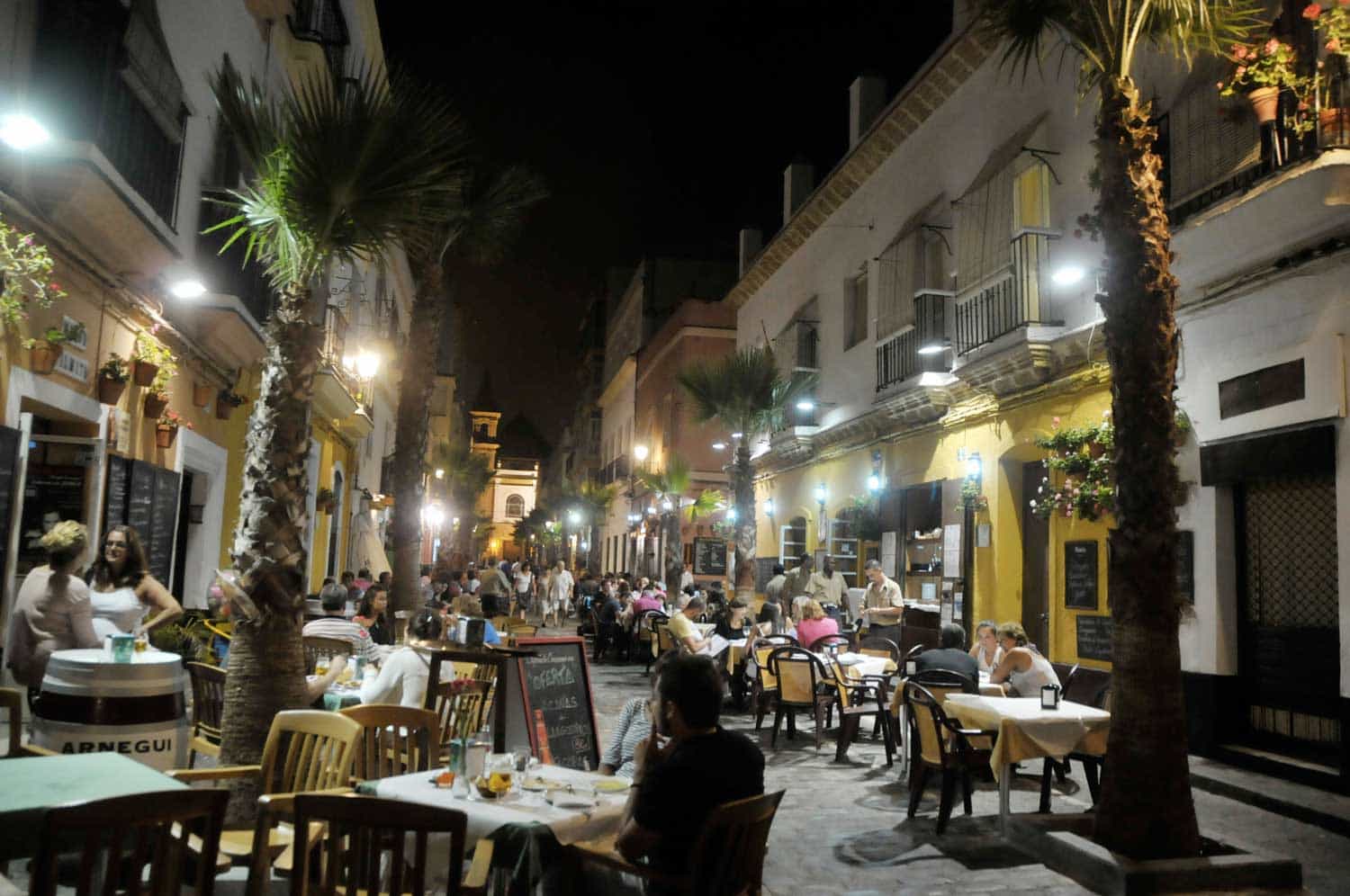
The evening nightlife in Cádiz varies from area to area. In the historic centre there is a myriad of bars, taverns and venues where you can have a drink. The same goes for La Viña, which also has many places close to the beach. For having a cocktail or eating something at a chiringuito, the best area is Paseo Marítimo and Playa de la Victoria, while Plaza de Mina and its surroundings are ideal for those looking for an elegant evening out. Unlike other coastal areas, there are not many nightclubs here: for this kind of night out, it is best to head towards El Puerto de Santa María.
Opening Hours and Mealtimes
In Spain, daily routines tend to run a little later than in the UK, especially in Andalusia. In Cadiz, it is perfectly normal to have breakfast between 9:00 and 11:00, lunch between 14:00 and 16:00, and dinner between 21:00 and 23:00. These later mealtimes also affect the opening hours of shops, restaurants and other businesses. In the more touristy areas, however, opening hours tend to be more flexible than in less visited parts of the region.
How many days to visit it
To visit the centre of Cadiz, one day is enough, but if you want to experience the city a little and discover it more deeply, it may be worth allowing at least two.
Time zone, currency, language
Mainland Spain is one hour ahead of the UK, so remember to adjust your watch when you arrive. The currency is the euro; cards are widely accepted, although it is useful to carry some cash for smaller purchases. The official language is Spanish, but English is widely spoken in the main tourist areas.
History, culture and sport
History in brief
Cadiz was founded by the Phoenicians around the 8th century BC under the name Gadir and is considered the oldest city in Europe. It later came under Carthaginian control and then under the Romans, who turned it into an important commercial and port centre of the Empire. After the fall of Rome, Cadiz was ruled by the Visigoths until the arrival of the Arabs in the 8th century.
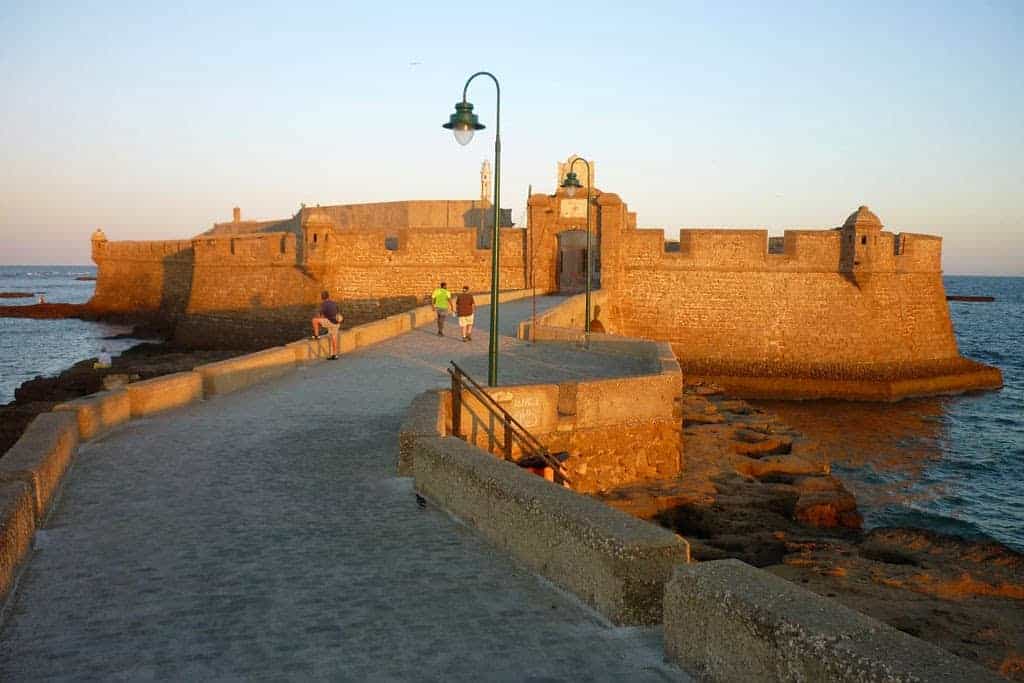
With the Islamic conquest in 711, the city became part of Al-Andalus, retaining an important role, especially as a port. After the gradual fragmentation of Muslim power, it was conquered by the Christians in 1262 under Alfonso X of Castile. In the following centuries it developed as an important maritime base, but it also suffered attacks and sackings, including one by the English in the 16th century.
The period of greatest splendour came between the 17th and 18th centuries, when Cadiz became the principal Spanish port for trade with the Americas, replacing Seville. During this period the city grew economically and culturally, becoming one of the most dynamic centres in the country. In the modern era, Cadiz was the setting for important historical events, such as the promulgation of the Constitution of 1812. After a period of decline, in the 20th century the city enhanced its historical heritage and its connection with the sea, and today it has become a renowned tourist destination in Andalusia.
Origin of the name
The name Cádiz is an evolution of the city’s ancient Phoenician name, Gadir, meaning “fortress”.
Coat of arms
The coat of arms of Cádiz depicts Hercules standing, with the skin of the Nemean Lion over his shoulders, and two lions beside him. Behind him are two columns with ribbons wrapped around them bearing the words “plus” and “ultra”. All around is the inscription “Hercules Fundator Gadium Dominatorque”. Hercules is shown because, in the chronicles of Alfonso X the Wise, written in the thirteenth century, the founding of the city of Cádiz was attributed to the demigod himself. This was not only due to its proximity to the Strait of Gibraltar – historically called the Pillars of Hercules – but was also a way of linking the fervour of the Reconquista of these lands with the warlike nature of the mythical figure.
Football teams and stadiums
The most important team is Cádiz CF, founded in 1910 and highly representative of the city, also known as the “Submarino Amarillo” (Yellow Submarine). Alongside the main club there is also Cádiz CF Mirandilla (former B team), which serves as a youth academy for young talents.
The team’s stadium is the Estadio Nuevo Mirandilla (formerly Ramón de Carranza), built in the 1950s and with a capacity of around 20,000–25,000 spectators. It is located near the sea and is one of the most distinctive stadiums in Spain.
University
The Universidad de Cádiz is a public university founded in 1979, with campuses spread across Cádiz and other cities in the province such as Jerez and Algeciras. It offers a wide range of courses in the scientific, humanities and economics fields, with particular attention to maritime and environmental studies, given its seaside location. The main campuses are in the historic centre and in the more modern Puerto Real area, which is dedicated to research. The university is active internationally and takes part in exchange programmes such as Erasmus, one of the reasons why the city retains a young and dynamic atmosphere, especially during the academic year.
Famous theatres
The most important theatre in Cádiz is the Gran Teatro Falla, an elegant Neo-Mudéjar building inaugurated between the late nineteenth and early twentieth centuries, best known for hosting the famous Cádiz Carnival competition. Also interesting is the Teatro de Títeres La Tía Norica, dedicated to puppet theatre, deeply rooted in local tradition and still active today with performances and festivals.
Famous people (writers, actors)
Cadiz was the birthplace of writers such as José María Pemán (a poet, playwright and highly influential intellectual of the 20th century) and Fernando Quiñones, who was deeply connected to Andalusian culture. In the artistic and musical sphere, one can also mention Manuel de Falla, born in Cadiz and one of the most important Spanish composers.