If you’re looking for remote places where you can be enchanted by nature without crowds of tourists all around, then I’d suggest you add Bolonia Beach to your next trip’s list of destinations. This spot is in the most out-of-the-way part of the Costa de la Luz and is famous for its huge sand dune, the Duna de Bolonia as it is known, as well as for an important archaeological site and breathtaking views along a wild coastline.
Contents
How to get to Bolonia
Bolonia is among the most remote places on the Andalusian coast, so you won’t find it along the main road, but will have to go there specially. To get there, you need to take a detour from the road linking Cadiz to Tarifa, and it is closer to the latter. The distance is about 25 minutes from Tarifa and 1 hour and 20 minutes from Cadiz.
In both directions, take the N-340 road to this point, where you need to turn onto the CA-8202 to head towards the coast. At the aforementioned junction there are signs for Bolonia, and from there it takes about 10 minutes to reach your destination.
Playa Bolonia
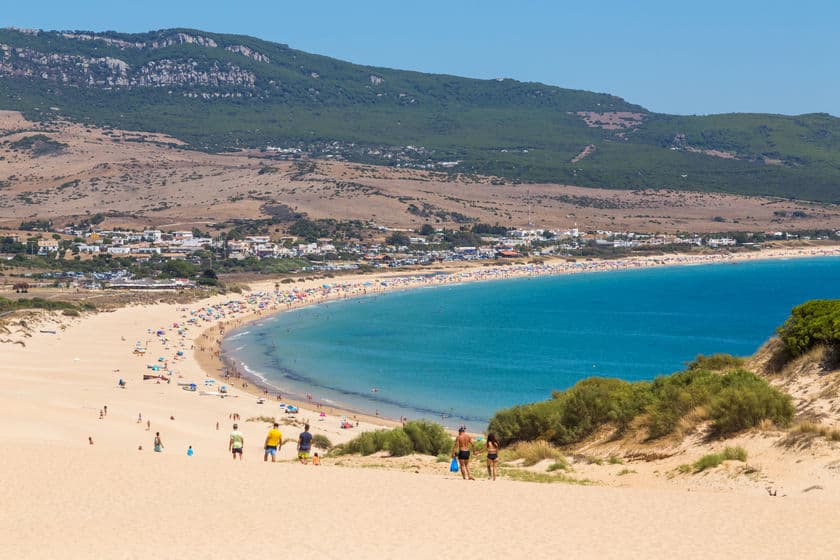
Playa Bolonia is among the most beautiful beaches along this stretch of coast and is usually considered one of the Tarifa beaches, even though it is the furthest from the town. Almost 2.5 miles long and around 70 metres wide, this strip of very fine sand is truly incredible. Being in a much more secluded position than other beaches, it also retains a greater wild charm.
Being very large, even on the busiest days you shouldn’t have any trouble finding a spot for yourselves, but do pay attention to two details:
- There is often strong wind: if you are looking for an ideal spot for surfing, windsurfing and other water sports, you have found it, but if you want to relax on the beach, then check the weather forecast first to make sure you find a day with little wind.
- Part of the beach is reserved for nudism: in fact, this is considered one of the best nudist beaches in all of Spain. If that’s what you’re looking for, you can mark it as your next destination, while if you want to avoid this sort of situation, then pay attention to the signs.
To access the beach, the easiest way is to leave your car in this car park and walk along one of the paths that connects it to the beach. It really only takes a few steps and you find yourself in the northernmost part of the beach, the side facing the dune. An alternative is to leave your car in this car park located south of the village, then walk for about 5 minutes to reach the beach.
Duna de Bolonia
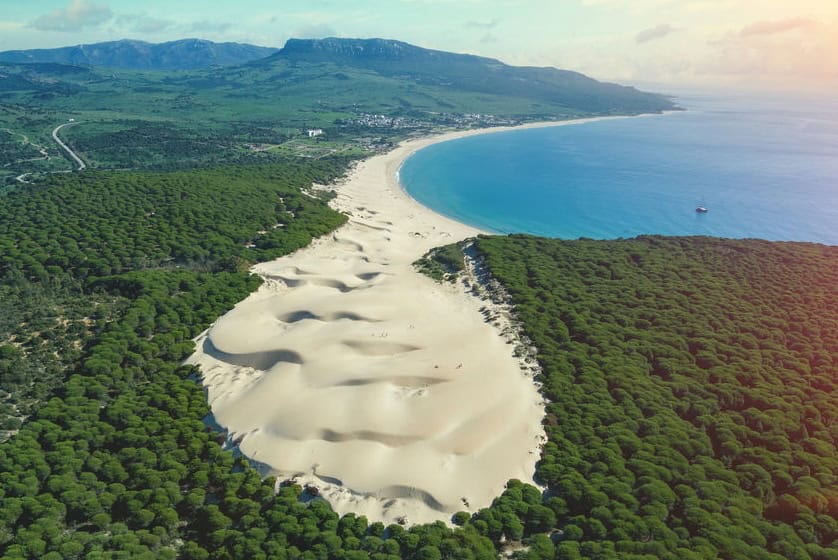
At its north-eastern end, the beach is characterised by a huge sand dune. Known as the Duna de Bolonia, it is the attraction for which this place is famous and for which it is really worth stopping here on a trip along the Costa de la Luz. We are talking about a 30-metre-high dune that stretches from the beach into the pine forest and offers a truly fascinating sight.
If it’s beautiful to see from the beach, it’s even better to climb it and admire the view from the top, but it takes a bit of effort. Setting off from the beach, you have to walk about 500 metres to reach the top (it doesn’t sound much, but on the sand it isn’t easy!). Alternatively, you can park here and cross the pine forest. But be careful: the paths there are not very well maintained and it may not be very easy to work out how to get to the dune.

If you want to enjoy the views without too much effort, you can reach the Mirador de la Duna de Bolonia. This viewpoint is located here and can be reached by walking along a convenient wooden boardwalk. You need to park here and then follow the path, which runs alongside the beach and at one point becomes a wooden boardwalk. It takes about 10 minutes on foot (and the same to walk back).
Are you setting off from Tarifa and want to enjoy a lovely excursion that includes both the Duna de Bolonia and Duna de Valdevaqueros? You can book this excursion, which takes you to both of them and to the natural pools (which I’ll tell you about shortly!).
Things to do in Bolonia
Bolonia is famous for its sand dune, but there is plenty else to see as well! First of all, you can stop off in the small settlement of El Lentiscal. It is also where you can find somewhere to eat and where you can stay overnight, but I’ll tell you more about that later. Here are the places not to miss if you go that way.
Baelo Claudia archaeological site
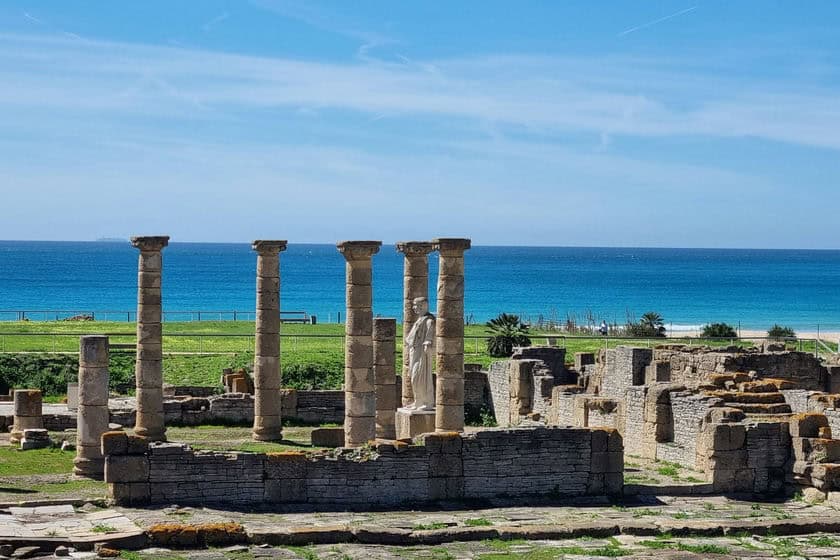
Right behind the beach is the Baelo Claudia Archaeological Complex, one of the most important archaeological sites in this area. It is an ancient Roman city dating back around 2,000 years: a fishing village which, under Emperor Claudius, became a strategic point for trade routes between the Iberian and African coasts, particularly with the port we now know as Tangier, in Morocco. It is thought that its decline was triggered by an earthquake in the middle of the 2nd century AD, which destroyed much of the settlement. Pirate attacks in the decades that followed also contributed to the gradual abandonment of the town, which was completely uninhabited from the 6th century onwards.
Today it is very interesting to visit because it is one of the best-preserved Roman towns on the entire Iberian Peninsula, so if you are interested in history, it is well worth popping by while you are in the area. There is a well-kept visitor centre, with many preserved artefacts, but above all you can walk among the ruins, seeing the ring of walls that protected the settlement, the forum, the theatre and the remains of some buildings such as the senate house and several temples.
Admission is free. To visit the site, you can park here and you can enter every day from 9 am to 9 pm. If, on the other hand, you want to take a guided tour, you can book it here.
Cueva del Moro
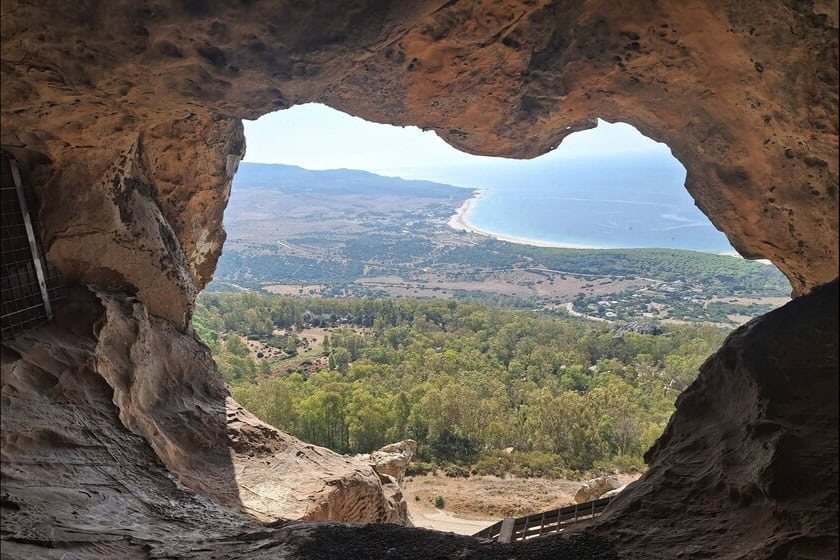
Behind Bolonia rises a hill with several rock formations, including an interesting cave, the so-called Cueva del Moro. It is located here and can be reached by car, with a short walk afterwards. The lovely thing is that from this natural cavity there is a spectacular view over the coast below.
Natural pools “Baños de Claudia”
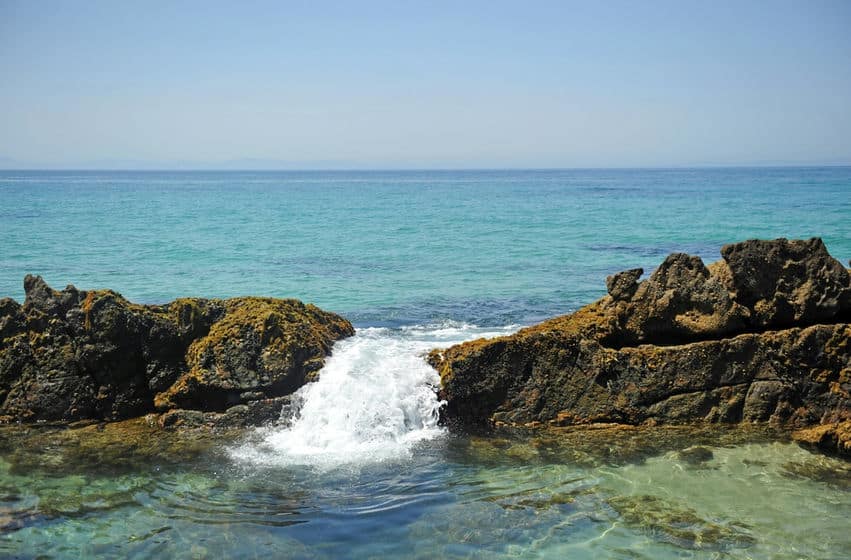
Not far from Bolonia beach (more precisely here) there are some splendid natural pools, known as Baños de Claudia. If you’re looking for unspoilt natural spots, this is the place for you. It isn’t accessible at all, so don’t worry: you won’t find tourists, just peace and quiet. But you will have to walk to get there: leave the car here and follow the path, and you’ll reach the pools in about 45 minutes. If you want to get there on a guided tour, I recommend this one.
Punta Camarinal Lighthouse (Torre Cabo de Gracia)
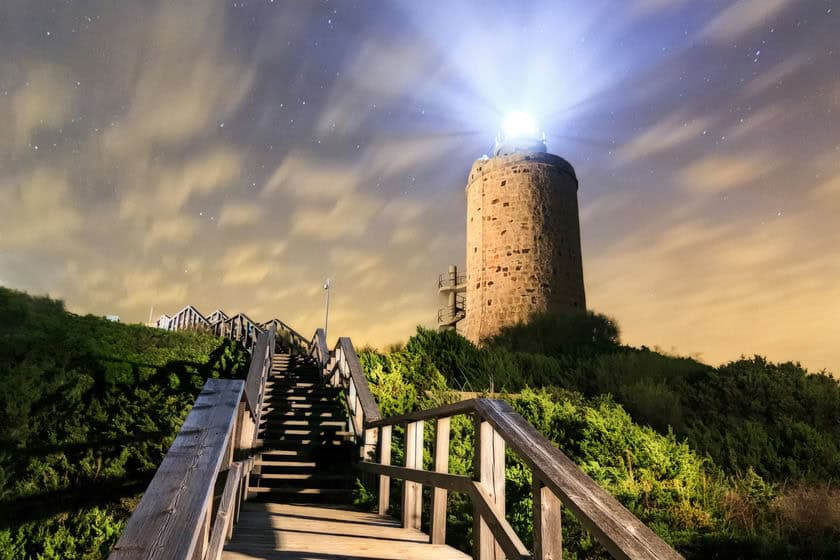
Among the main attractions in the area is the Punta Camarinal lighthouse, also known as Torre Cabo de Gracia. It stands beyond the promontory of the same name and although it is very close to Bolonia as the crow flies, to get there by car you have to make quite a long detour. It takes about half an hour via the road by the aforementioned Cueva del Moro, or around 45 minutes via the main road inland (in this case via Zahara de los Atunes).
This historic tower was built over 500 years ago and was not a classic lighthouse for vessels. In fact, it was a defensive tower, which transmitted light and sound signals to warn of the advance of pirates who were regularly attacking these coasts at the time. It was later converted into a lighthouse for ships.
To see it, you can park here and then walk a short distance. You can’t go inside the tower, but you can easily reach it on foot.
Where to stay in Bolonia
El Lentiscal, the small settlement of Bolonia, has only a couple of small hotels, but on the plus side it has plenty of apartments to rent. If this kind of accommodation suits you, you’ll find a fair choice, but if you prefer a hotel, then it’s best to look for somewhere to stay in another area and visit Bolonia on a day trip. Here are the options for staying the night in Bolonia:
- Hostal Rios: this little hotel is very lovely and is right on the seafront. The accommodation is simple and the staff are friendly and welcoming.
- Bellavista Bolonia: here is a second simple, pleasant guesthouse, situated in the more inland part of the small village.
- Apartments in El Lentiscal: here you can see all the flats and houses to rent in the little village of Bolonia.
If you’re looking for a hotel in Zahara de los Atunes, the neighbouring village, you’ll find plenty instead, and of every standard: from 2 to 5 stars. Otherwise, a great idea is to look for a hotel in Tarifa, where you’ll be spoiled for choice.
Where to eat in Bolonia
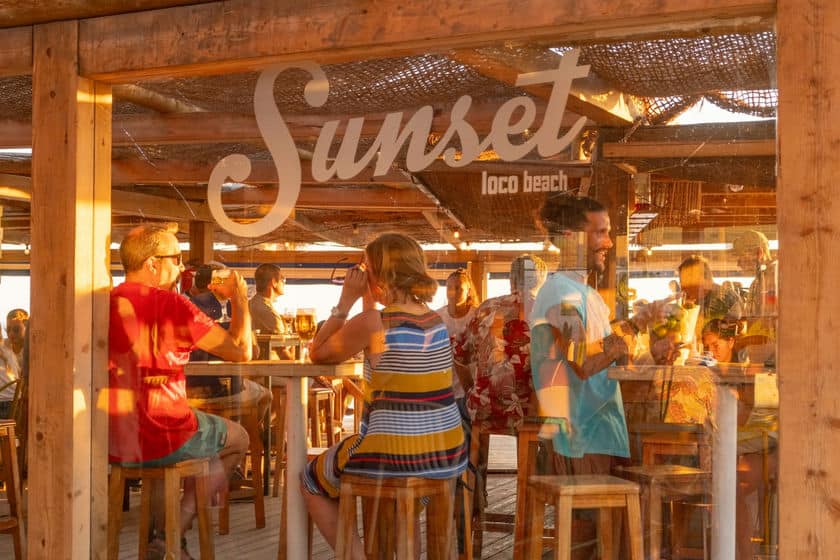
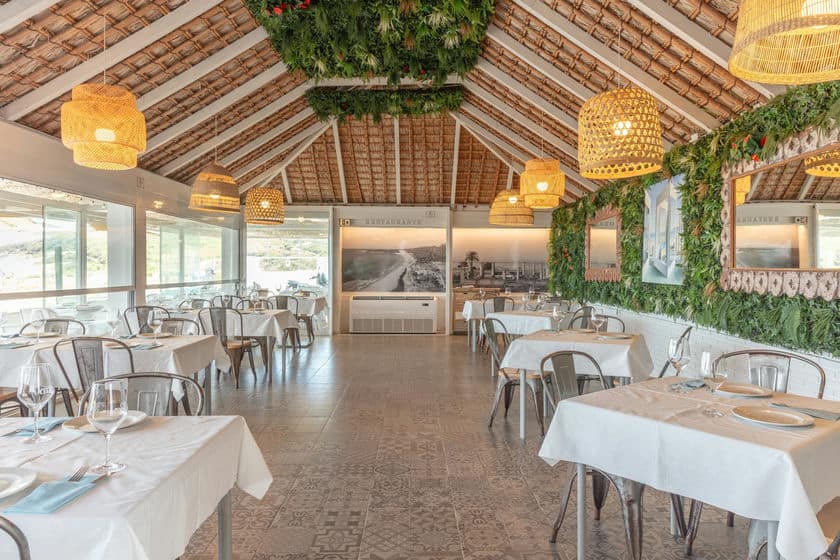
In this small village there is also a fair choice of places to eat. Here are a few examples:
- Chiringuito la Duna (here) and Chiringuito Los Troncos (here): these are the two places closest to the beach on the north side of the village, the side that faces the dune. Both are nice and suitable for lunch during a visit to the famous dune. The prices are not cheap, but nor are they outrageous.
- Otero Bolonia (here): this is a good little restaurant just a stone’s throw from the archaeological area of Baelo Claudia (so it’s also closer to the dune than the others) and it serves both fish and meat dishes of good quality.
- Chiringuito Rios (here): another good restaurant, also overlooking the beach, but opposite the central part of the village.
- Sunset Loco Beach (here): just south of the village there’s this bar overlooking the beach. It’s mainly a place to have a drink and some snacks, but it also serves hamburgers and other simple dishes. Prices, though, aren’t exactly cheap.
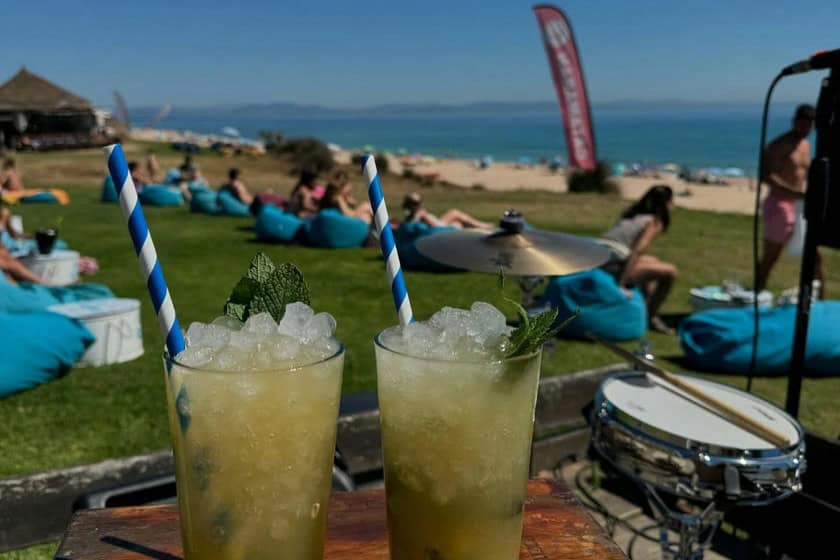
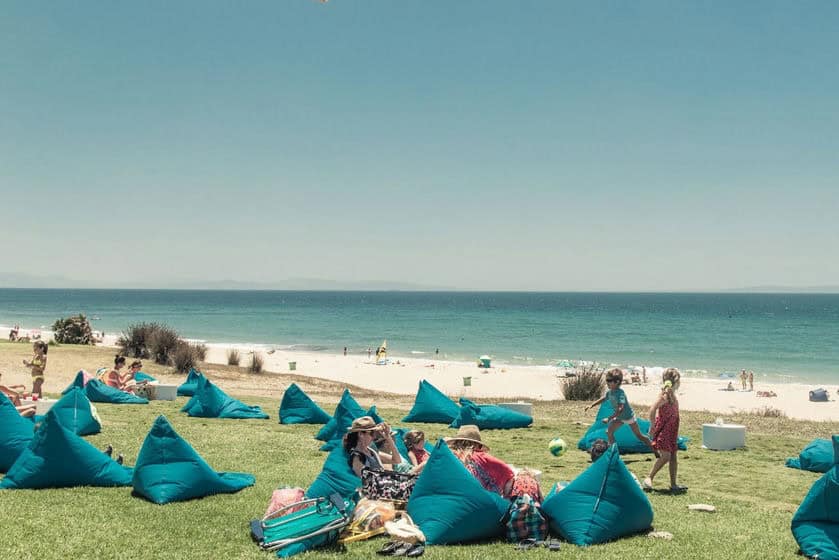
- Chiringuito Sirocco (here), Lebeche Bolonia (here) and Serenade (here): even further on from Sunset Logo Beach, towards the far end of the beach, there are these three little restaurants next to one another. They are all very lovely and the food is pretty good. In summer they also have outdoor sofas and places to sit on the grass near the beach.
- Las Rejas (here): right in the heart of the village there’s this fish restaurant, really very good.
- La Esquinita “El Kaniki” (here): for those looking for something more down to earth, this is a quiet place that serves a variety of meat and fish dishes, at competitive prices and in a more informal setting.