In this section we would like to recommend a series of itineraries in Andalusia by road, providing information and advice on how to organise your trip as well as possible. Here you will find plenty of tips both on the classic routes through Andalusia and on the lesser-known, more underrated ones: we will suggest original routes through the most secret Pueblos Blancos, the charming seaside villages and those built atop cliffs, the natural parks, the beaches, the Moorish castles, the remote fortresses and everything there is to discover in this wonderful land. But first, let’s focus on how to organise an itinerary in Andalusia and make the most of your time on the road.
Contents
How to Plan an Andalusia Road Trip: Frequently Asked Questions
Many of the most curious travellers, with a thirst for new experiences and beauty, secretly nurture the dream of exploring Andalusia, the wonderful southern region of Spain, which preserves its most authentic and genuine nature.
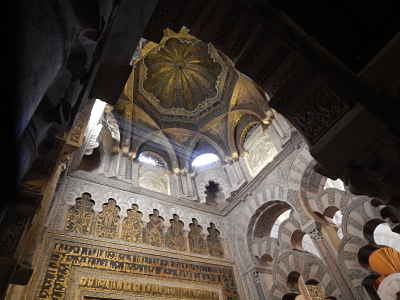
Here you’ll find everything our imagination conjures up when thoughts turn to Spain: dream-like cities such as Granada, Seville, Córdoba, Ronda and, woven through them, the priceless legacy of Arab culture (which gave the region its name: Al-Andalus), a culture made tangible in the wonderful examples of Moorish architecture scattered across the region, and then, too: the flavour and indulgence of tapas and the headiness of sherry, the sand of the bullrings and the red of the corridas, the endless beaches of the Costa del Sol and the rugged mountain ranges of the Sierras, the churches and fortresses that rise above the marvellous Pueblos Blancos of Málaga and the characteristic villages of the villages of the province of Cádiz, the high mountains of Sierra Nevada or natural parks such as that of Doñana or that of Sierra de Grazalema, but also the unstoppable vitality of the ferias, the aching melancholy of flamenco, the solemn and moving spectacle of Semana Santa in Seville and in the other Andalusian cities.
But what is there to know about this rich and unpredictable region? How can you plan a trip around Andalusia without missing anything it has to offer? In this article we want to give you all the information and useful tips you need to organise and plan a tour of Andalusia, to discover this place of indescribable charm. Vamos a empezar!
Let’s start by answering some of the most frequently asked questions when it comes to organising a tour in Andalusia.
The distances between the cities scattered across this wonderful Spanish region are never excessive. Indeed, one of the greatest advantages of choosing to visit Andalusia is precisely the relative proximity between the various stops. An example? With a map of Andalusia to hand, you will notice that the greatest distance between the provincial capitals concerns the stretch between Cádiz (western end) and Almería (eastern end), and does not exceed 292 miles (5 hours by car without stopping). To get from Seville to Córdoba takes no more than 2 hours, and it takes the same to reach Granada.
The relatively short distances between Malaga, Seville and Granada make it easy to plan a short multi-city trip; always bear in mind, though, during your trip, the necessary detours to discover the villages. In both cases, the possible road trip itineraries are very appealing. Below are the itineraries we have published so far:
If you would also like to see the map of the area, both physical and political, visit our page with the Map of Andalusia.
We’ve already pointed you to a 5-day self-drive road trip of Andalusia, but to answer this question one would need to know each traveller’s habits, requirements, tastes and available time. We can therefore suggest three options to serve as a starting point for your planning:
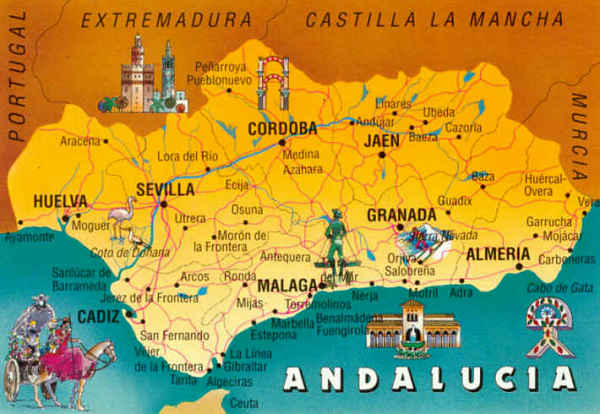
- 20 days: the perfect period to really get to know the Andalusian spirit. This is a truly comprehensive Andalusia road trip, allowing you to visit all the main cities and a good number of towns and smaller cities (Ronda, Jerez de la Frontera etc.), possibly leaving you time to head to the sea and to do a couple of excursions in the natural parks.
- 7 days: enough time for a trip focused on 2–3 main cities and a tour of the towns and attractions encountered along the way. Here is a DIY 7-day Andalusia tour model;
- 10-12 days: an interesting option that allows you to explore at least 4 cities quite thoroughly (e.g. Seville, Cordoba, Granada and Almería or Malaga), also getting to know the surrounding areas in more depth, and spending a few days at the seaside. Here is a self-drive 10-day Andalusia tour model;
In this case too, we will give some broad indications: each of these cities in Andalusia has a great deal to offer the traveller, and the time you decide to spend there will never be enough. However, holidays are not endless (thank goodness…) so it is useful to get an idea of how much time is needed to visit at least the main cities during your trip to Andalusia.
- Ronda: 1-2 days
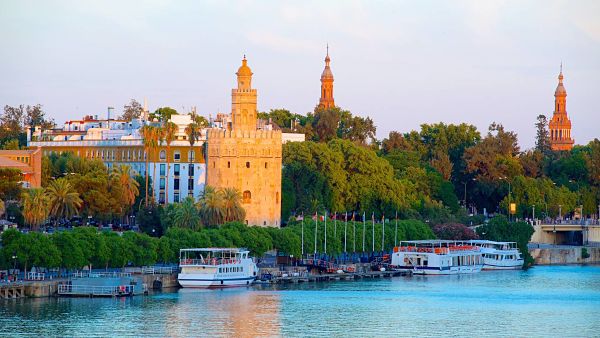
- Seville: 3 days (also read how to visit Seville in 3 days)
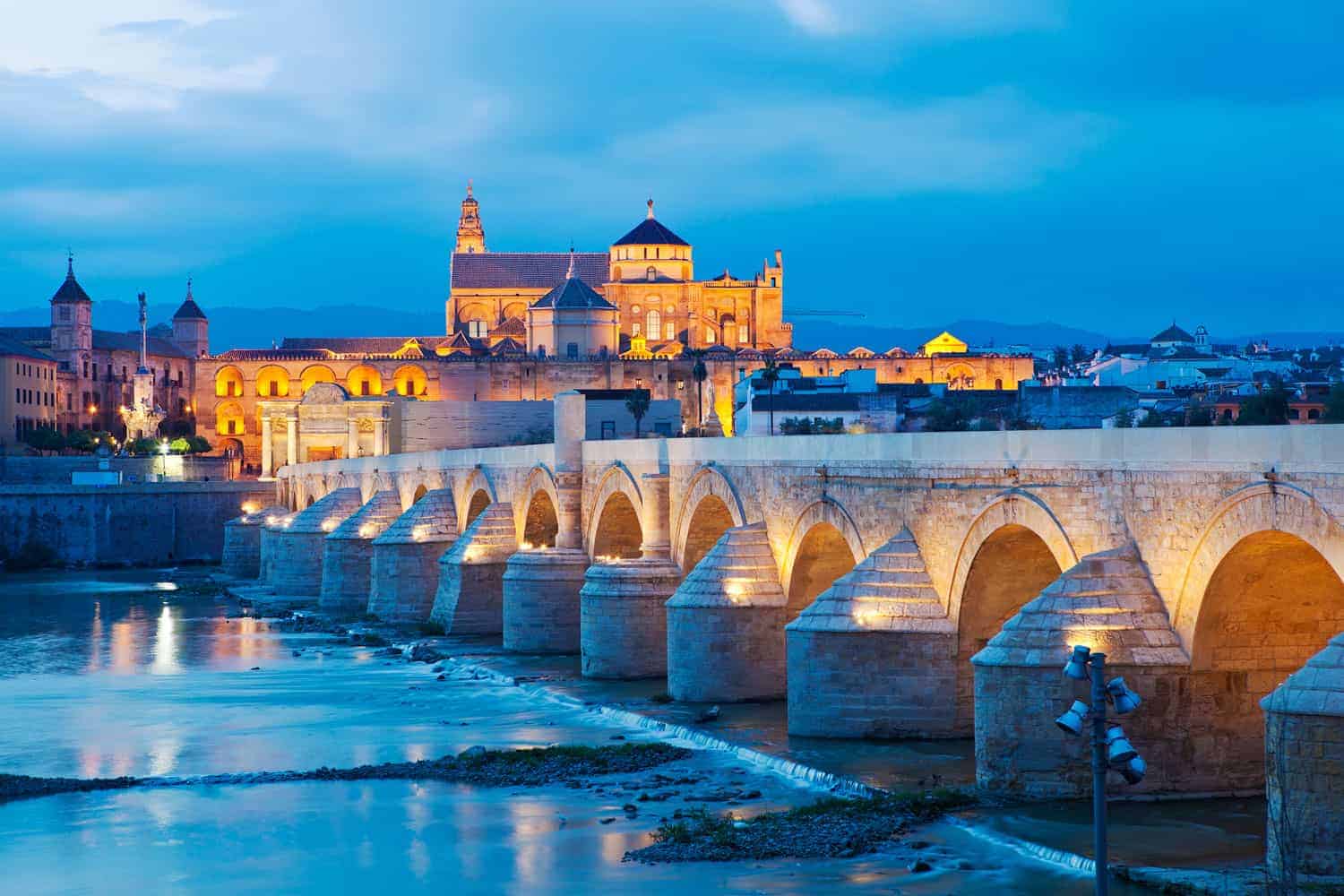
- Cordoba: 1-2 days (see also what to do in Cordoba in 1 day)
- Granada: 2-3 days
- Málaga: 2 days
- Cadiz: 1-2 days
As you can read in our article “Andalusia: when to go?“, the best seasons for planning an itinerary in Andalusia are without a shadow of a doubt spring (March-May) and autumn (September to early November), because hotel rates are more affordable, the attractions less crowded and the weather a little more favourable.
And in summer? Well, it is the most popular season for travellers who see Andalusia above all as a seaside holiday destination: whether it be the famous and hugely crowded beaches of the Costa del Sol or the less frequented and more enchanting ones of the Costa de Almería and the Costa de la Luz (whether the beaches of Cádiz or Huelva) makes no difference: on the coast (where temperatures can easily reach 40 degrees), summer is the busiest season along the Andalusian coast, with crowded beaches, festivals and a lively atmosphere.
Visiting the Andalusian hinterland in summer (especially Cordoba and Seville, where temperatures can soar well above 40 degrees), requires very careful time management: never more so than in this case is it wise to adapt to the Spanish way of life and schedules. In other words? You need to make the most of the cooler hours to get around and visit outdoor attractions and, in the hottest hours, favour indoor visits in air-conditioned places. If you head out onto the streets of Seville in the middle of August at 15:00, you certainly won’t find a big crowd in the street, but be prepared to face scorching sun!
The most convenient and usually the most economical way to get around Andalusia is to rely on car hire. Although Andalusia is a relatively large region, the main road network is more than decent, and journeys between the main cities are generally straightforward. It may sound obvious, but remember that in Spain you drive on the right-hand side of the road.

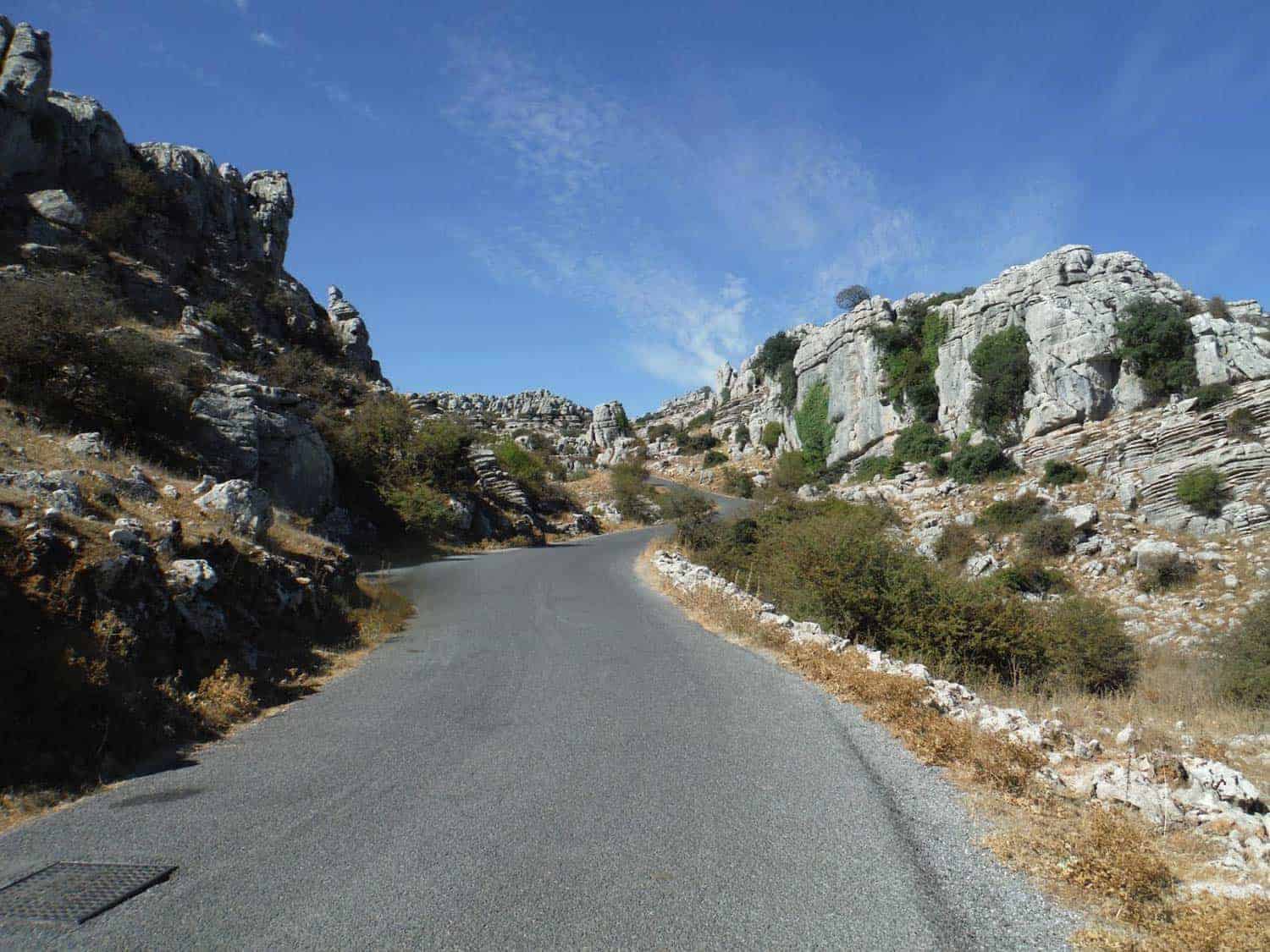
Narrow, winding secondary roads require a little more care and patience, particularly when driving to smaller villages, but don’t worry: it will be worth it and, after all, you won’t lose much time, unless you decide to dedicate your whole road trip in Andalusia to the villages…
The train is a convenient option for travel between the main cities: on this topic I have published an article on how to get around Andalusia by train and other public transport, with practical advice on planning your journey. Of course, if you want to do a particularly long trip with plenty of intermediate stops and visits to smaller towns and villages, with trains and buses you have to factor in a lot of time for getting around and it may be less practical. However comfortable the carriages were and however pleasant the journey, it is hard for us to forget our terrible experience of the train journey from Malaga to Ronda (about a hundred kilometres by car), with a change and a 2-hour wait in the small village of Bobadilla, both on the outward and return journeys…
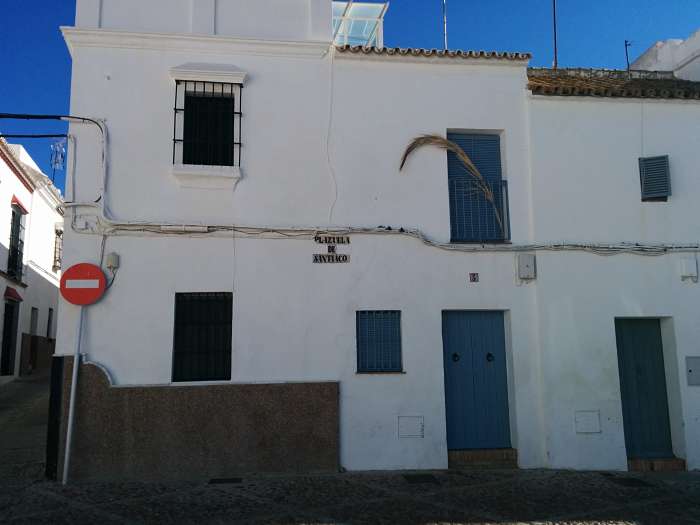
You will soon realise that the best way to get around Andalusian cities is free: your feet. With a little patience, and by asking your hotel staff, host or local people for advice in advance, you can find a good parking spot for the car near your accommodation and leave it there for the whole time you stay in the city. You will only truly get into the Andalusian atmosphere by strolling calmly through the narrow streets of the city centres: if you get tired, you can always make use of public transport. At the link below, a page with the available parking in the main Andalusian cities.
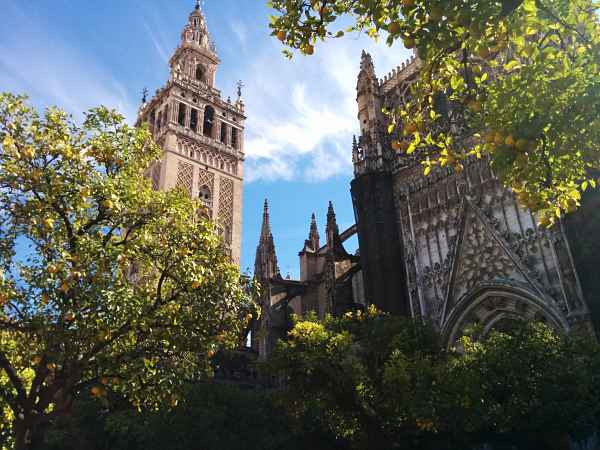
Usually tours in Andalusia start from Seville or Malaga, the cities with the best flight connections. Plan your tour of Andalusia strategically from these two cities, taking into account the season in which you will travel. Malaga is a particularly convenient starting point for a coastal itinerary (Gibraltar, Cadiz, Almería), which you can then extend inland; Seville is an excellent starting point for visiting the interior (Ronda, Cordoba, and then Granada), but it is not that far from the beaches of Cadiz either. In short, Andalusia offers the opportunity to organise itineraries with great versatility.

The later daily rhythm you may notice in Andalusia has little to do with laziness, despite the familiar stereotypes. Part of the explanation lies in Spain’s unusual time zone: geographically, much of the country is aligned more closely with the UK and Portugal, yet mainland Spain uses Central European Time. The hot Andalusian climate also plays a role, particularly in summer, when daily routines often shift towards the cooler hours of the morning and evening.
This can affect the way you plan your day. Shops, restaurants and attractions may open later than British visitors expect, while lunch and dinner are generally eaten considerably later than in the UK. Always check opening hours when planning your itinerary, especially for major monuments: otherwise you may arrive at the Cathedral of Seville or the Mezquita of Cordoba at a time when admission is restricted or the site is closed.
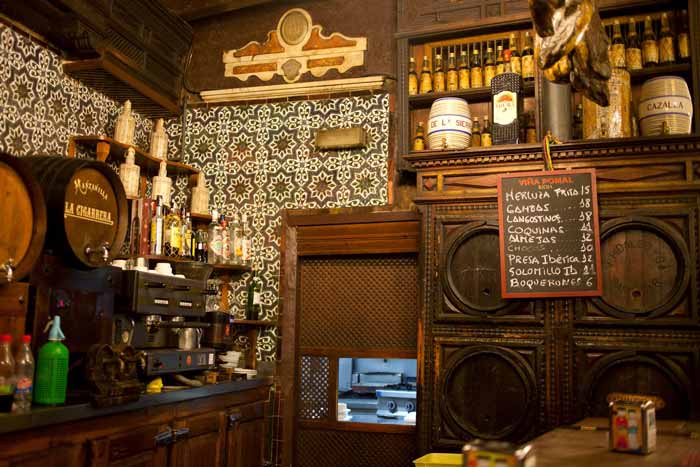
Tapas! Does that mean anything to you? Tapas are small portions of food served in bars and restaurants throughout Andalusia. For Spaniards, tapas are something of an art form, as well as a great way to sample the region’s culinary specialities.

The tapa is not a type of food, but a portion, just like a ración: if you order a tapa, you will receive a small plate (and you’ll want to try more!), if you order a ración of the same dish, you’ll need to ask the person travelling with you to help you finish it!
As regards meal times, it’s entirely up to you: if you’re hungry and want to eat at the usual times, kitchens tend to follow tourists’ needs, but if you want to eat at more typical local times, shift mealtimes by around a couple of hours later…
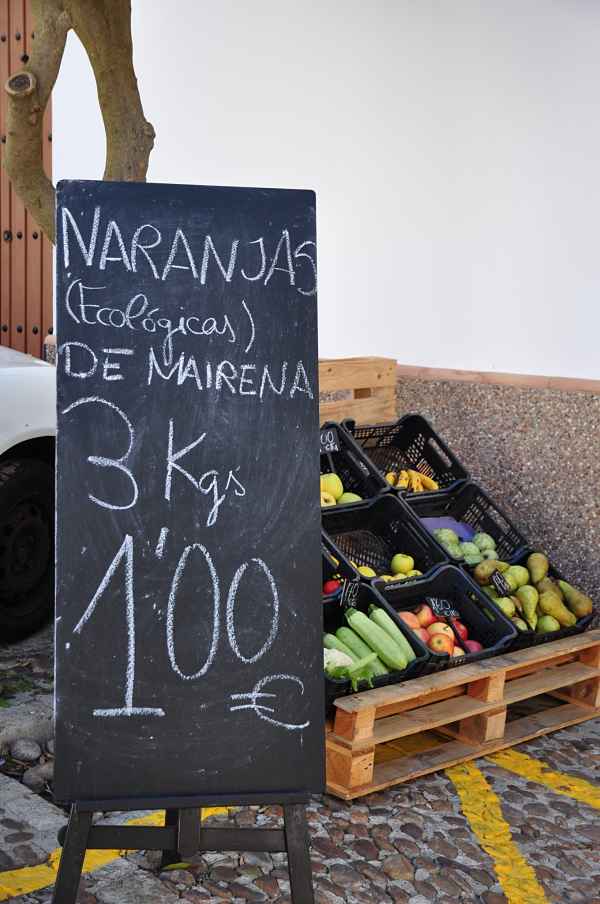
In Andalusia, your money can still go a long way, especially compared with many other popular destinations in Western Europe. That said, the region’s popularity means that admission to major monuments can add up, particularly if you plan to visit several paid attractions.
With a little care, you can still keep food costs under control and find reasonably priced accommodation, although historic hotels such as the Parador in Granada are in a very different price range. You may also want to set aside some extra money for experiences such as a flamenco show, local crafts or the region’s markets. Rather than relying on a fixed daily budget, it is best to allow for considerable variation depending on your accommodation, the number of attractions you visit and where you choose to eat.
Most travellers tend to focus on Andalusia’s cities, beaches and pueblos blancos, while the region’s natural parks receive comparatively less attention.
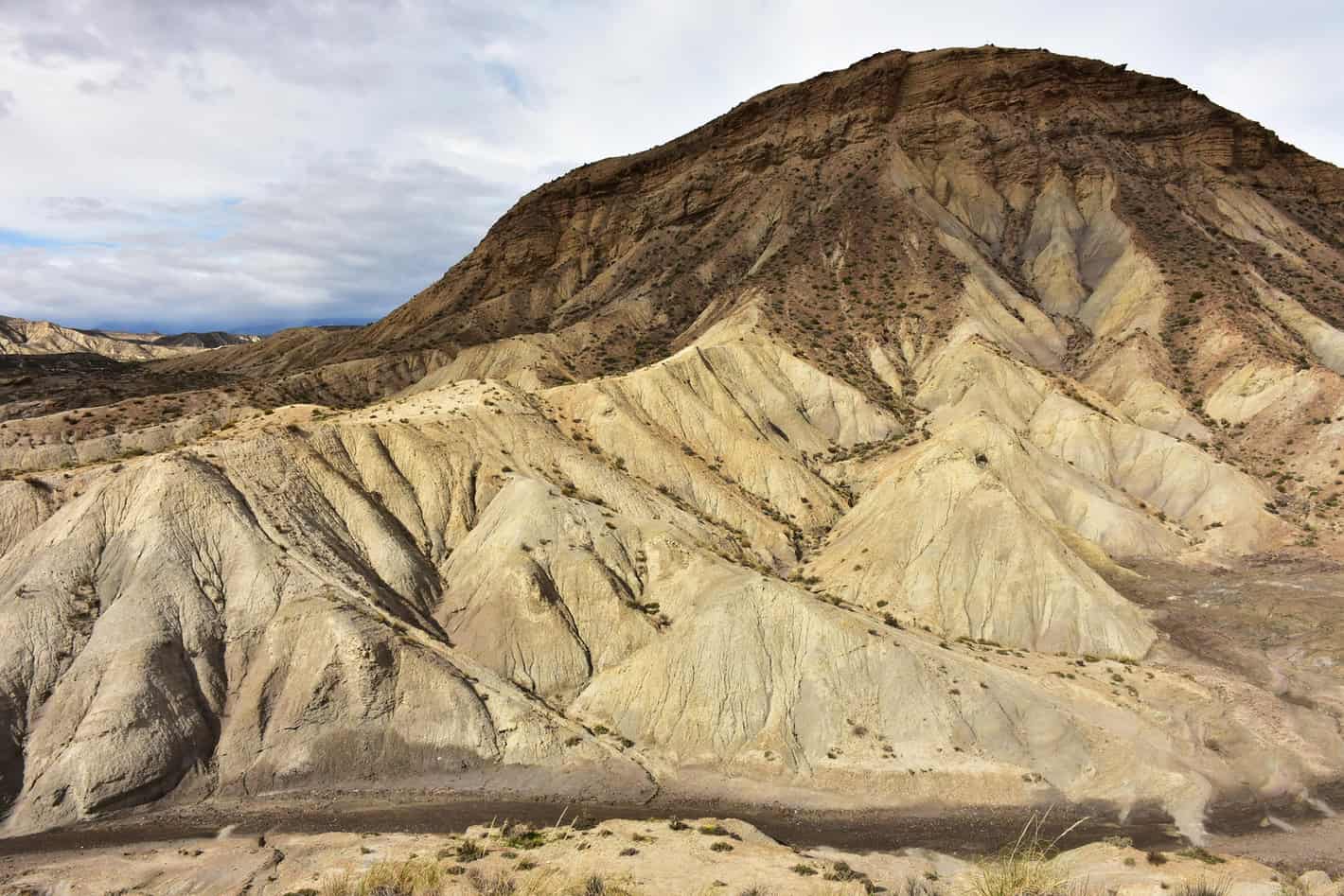
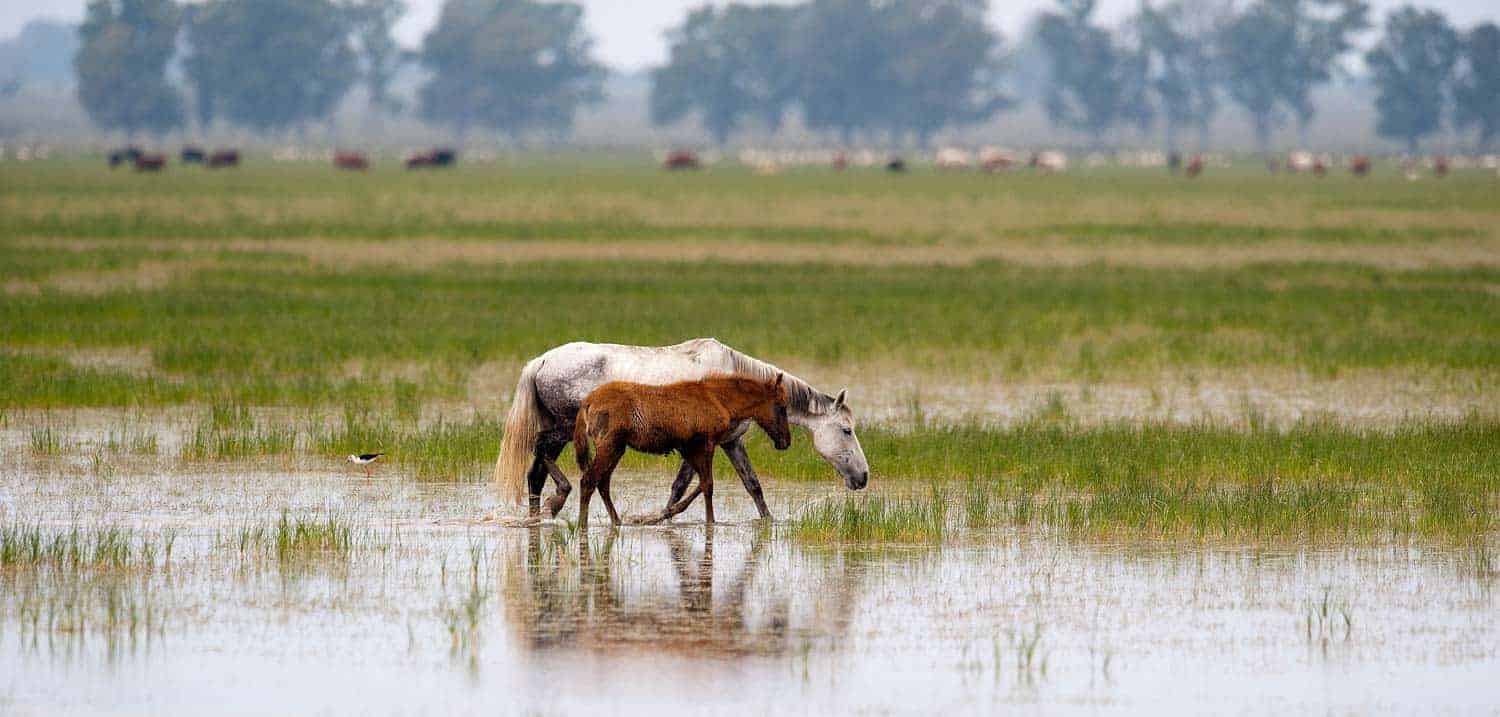
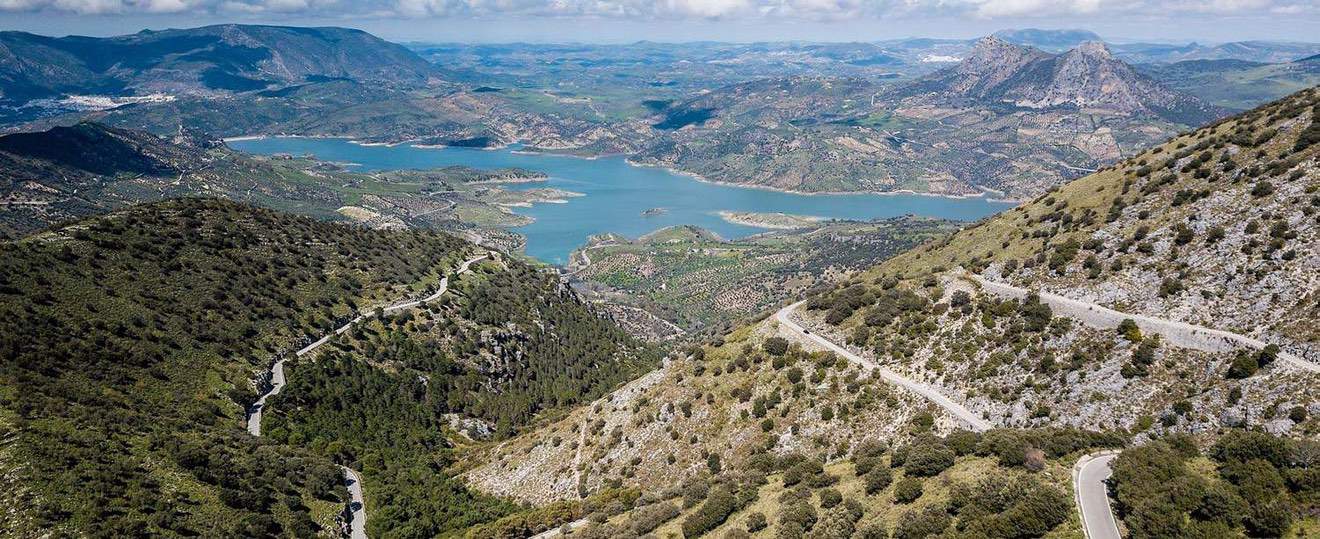
However, it is worth knowing that Andalusia is not short of natural wonders, and many of them are well worth exploring: you can visit the Parque Nacional de Doñana, an extremely important wildlife reserve in the province of Huelva; the famous Parque Nacional de Sierra Nevada, known for providing the backdrop to the Alhambra in Granada; the Tabernas Desert, near Almería, known for being the only desert in Europe, the setting for some well-known Sergio Leone westerns; the Caminito del Rey a breathtaking trail that runs along walkways suspended over a dizzying cliff in the province of Malaga.
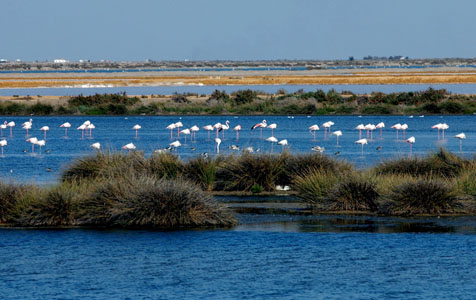
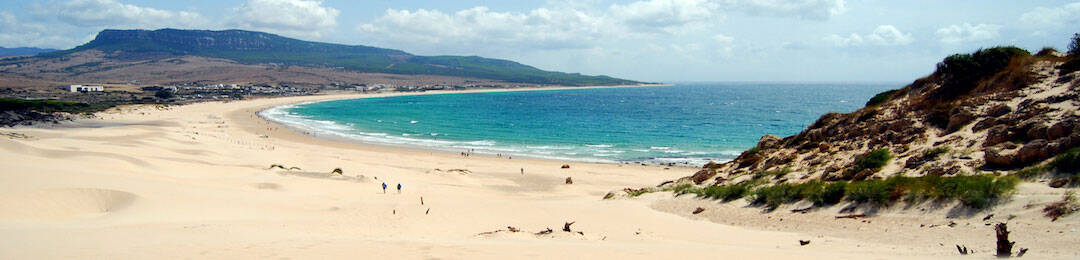
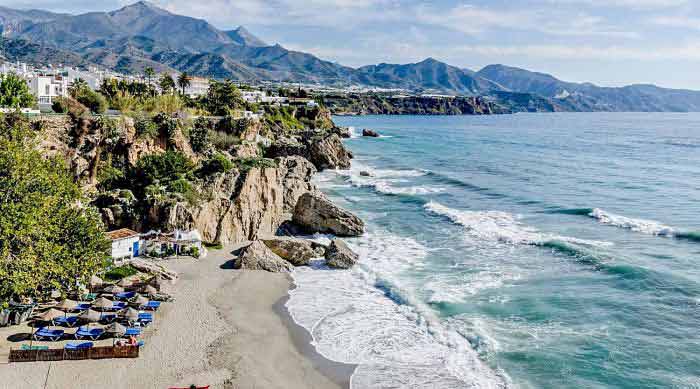
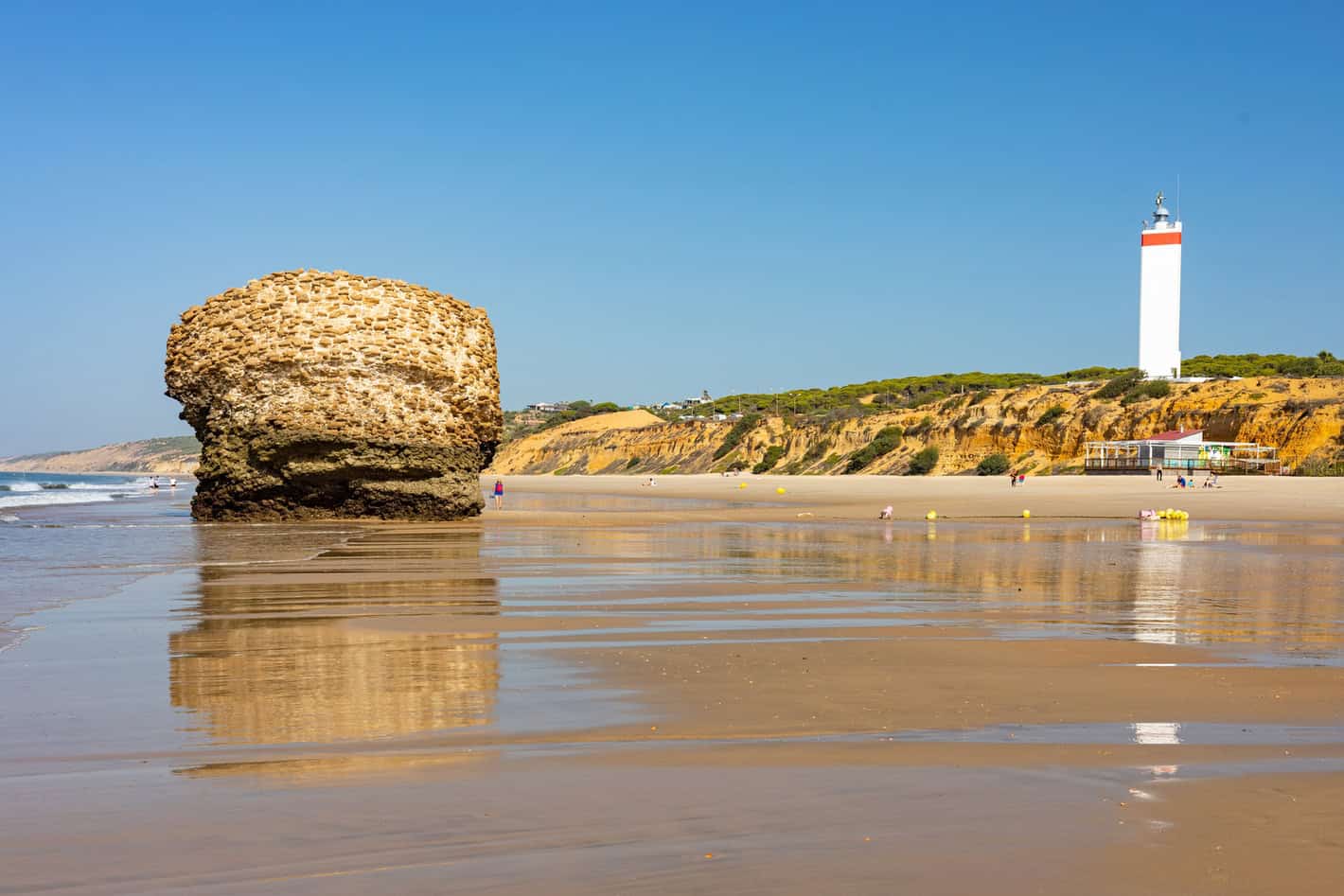
As regards the sea too, as we have already mentioned and as you can read in our section dedicated to the Beaches of Andalusia, you should not be drawn only to the very crowded beaches of the Costa del Sol: rather, it is worth making the effort to seek out a few quieter, less crowded beaches (Costa de la Luz, Cabo de Gata, Costa Tropical…).
When planning a trip, no detail should be overlooked, including the unexpected. That’s why we’ve published a guide explaining how, when and why to take out travel insurance for Andalusia. Although UK travellers can use a valid GHIC for necessary state healthcare in Spain, travel insurance is still recommended, particularly for trip cancellation, private medical costs and repatriation.
British citizens travelling to Spain for tourism need a valid passport but do not need a visa for stays of up to 90 days in any 180-day period. Your passport must have been issued less than 10 years before your arrival and be valid for at least 3 months after the date you plan to leave the Schengen area. At the border, you may also be asked to show proof of accommodation, a return or onward ticket and sufficient funds for your stay.
Things to do in Andalusia
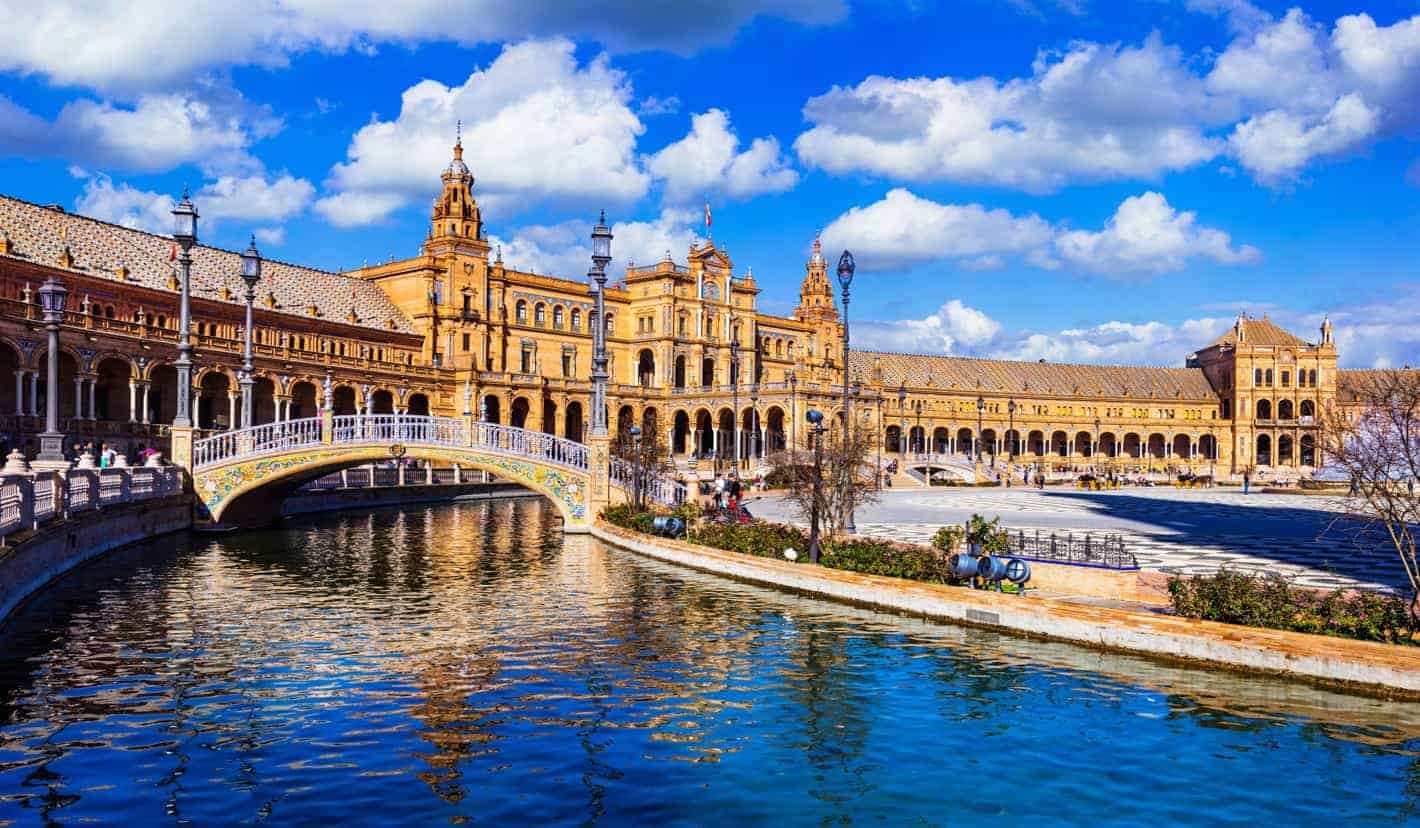
Andalusia: Cities, Villages and Landscapes You Shouldn’t Miss
Discover the best things to do and see in Andalusia, from famous cities and monuments to beaches, white villages, natural parks and hidden gems.
Other road trips in Andalusia



So… what are the next steps?
- advice on how to choose flights to Andalusia
- advice on where to stay in Andalusia
- advice on car hire in Andalusia
And you? How have you organised your Andalusia road trip? How will you organise it? Do you still have any unanswered questions? Let us know what you think!
