This small and enchanting medieval centre with a Moorish soul has the gift of attracting travellers with its unchanged and captivating Andalusian spirit. Here is a detailed guide to Cordoba, designed to answer travellers’ main questions: what is there to see? Which neighbourhood should you choose for accommodation? Where can you eat the best tapas?
Contents
Geographical information
Where is Cordoba
Cordoba is located in the autonomous community of Andalusia, which is the southernmost area of Spain. Andalusia is also the largest Spanish region and is home to other important cities such as Seville (the capital), Granada, Malaga, and Cadiz, as well as pretty little towns and lovely beaches.
How big is it?
The city covers an area of around 485 square miles, while the province of Cordoba covers an area of over 5,290 square miles.
At what altitude is it?
It is situated 106 metres above sea level.
How many inhabitants are there and what are they called?
Cordoba has around 323,260 inhabitants, known as cordobenses in Spanish.
Does it have the sea / How far is it from the sea?
Córdoba is not on the coast and is one of the region’s three inland provinces out of eight (along with Seville and Jaén), with no access to the sea.
What is the river called on which it stands?
Cordoba is crossed by the Guadalquivir, whose basin runs across much of Andalusia before the river passes through Seville and flows into the Atlantic Ocean. Near its mouth, it forms a vast area of marshes and wetlands associated with Doñana National Park.
Cordoba’s climate and maximum temperatures in Cordoba
Cordoba has a Mediterranean climate, even though it is far from the coast. Summers are very hot and, together with Seville, it often competes for the record of Europe’s hottest city. In the hottest months, July and August, maximum temperatures are usually around 37°, but with much higher records. Winters are mild and in January, the coldest month, average lows are around 4° and highs around 15°. The rainiest period of the year is autumn – particularly December – while in summer it is easy for July and August (but sometimes also June and September) not to see a single day of rain.
Tourist information
How to get there
Cordoba is located in the south of Spain, but in the central-northern part of Andalusia. It cannot be reached directly by air from the UK, but it is well connected by land, both by train and by bus. Taking the capital Madrid as a reference, the two cities are well connected by train and bus: high-speed rail takes just 1 hour and 45 minutes, while the bus takes 4–5 hours.
Cordoba is also well connected to all the Andalusian cities. Looking at the region’s two main airports, Seville and Malaga, by train you should allow 40 minutes from Seville and 45–60 minutes from Malaga. For other Andalusian destinations, it is better to use the buses..
If you are following an Andalucian road trip itinerary, Cordoba is 87 miles and about 1 hour and 40 minutes from Seville, 99 miles and about 1 hour and 45 minutes from Malaga, and 124 miles and about 2 hours and 10 minutes from Granada.
Airport/where to fly from
Córdoba has a small airport, but it currently offers only a very limited number of scheduled domestic flights and there are no direct services from the UK. For most British travellers, the most convenient option is to fly to Seville or Malaga and continue to Córdoba by high-speed train. The journey takes around 40 minutes from Seville and 50 minutes from Malaga.
How to get around
If you’re planning a road trip through Andalusia, you can hire a car in Seville or Málaga (the cities with the main airports), but it is also possible to hire one in Cordoba. For example, if you land in Madrid and arrive here by train, you can then hire a car and begin your Andalusian road trip. To visit the city, however, a car is not necessary: the city centre can be explored very easily on foot or by using public transport.
Where to park
If you are travelling by car and your hotel does not include a garage in the rate, or if you still need to use it to get from one part of the city to another, below you will find some car parks in Cordoba which, in our experience, are very convenient:
Public transport
Although Córdoba can easily be explored on foot, there is a good bus service that makes it possible to reach every part of the city. So you can comfortably see the city on foot, but take a bus when it proves necessary to cut down on travel time.
What is it famous for?
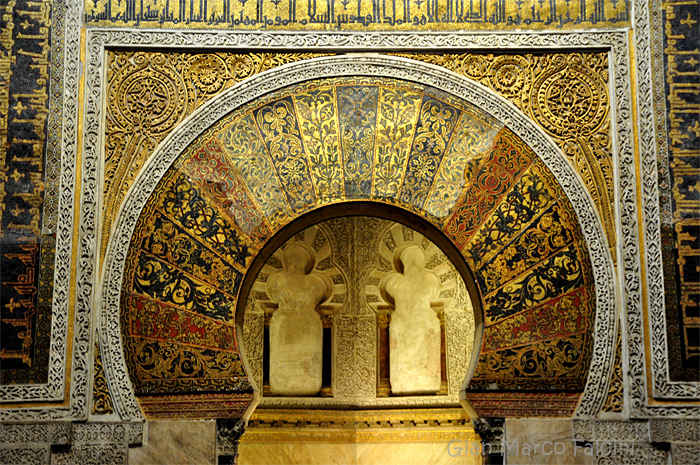
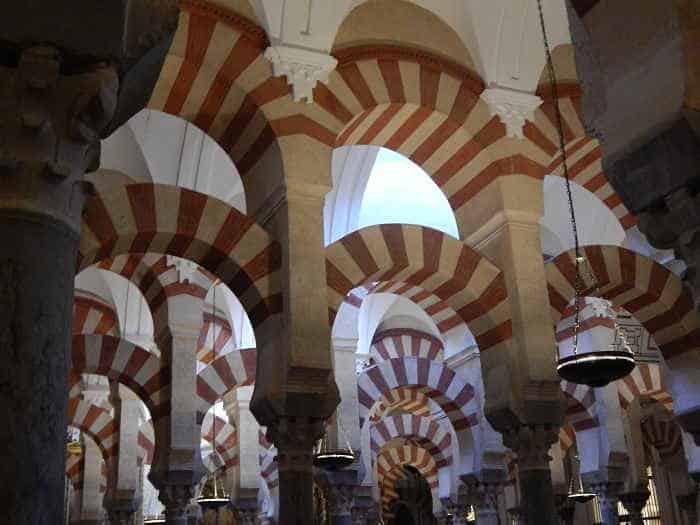
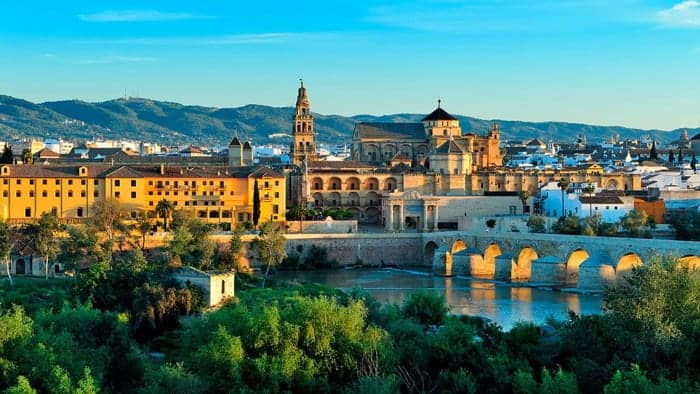
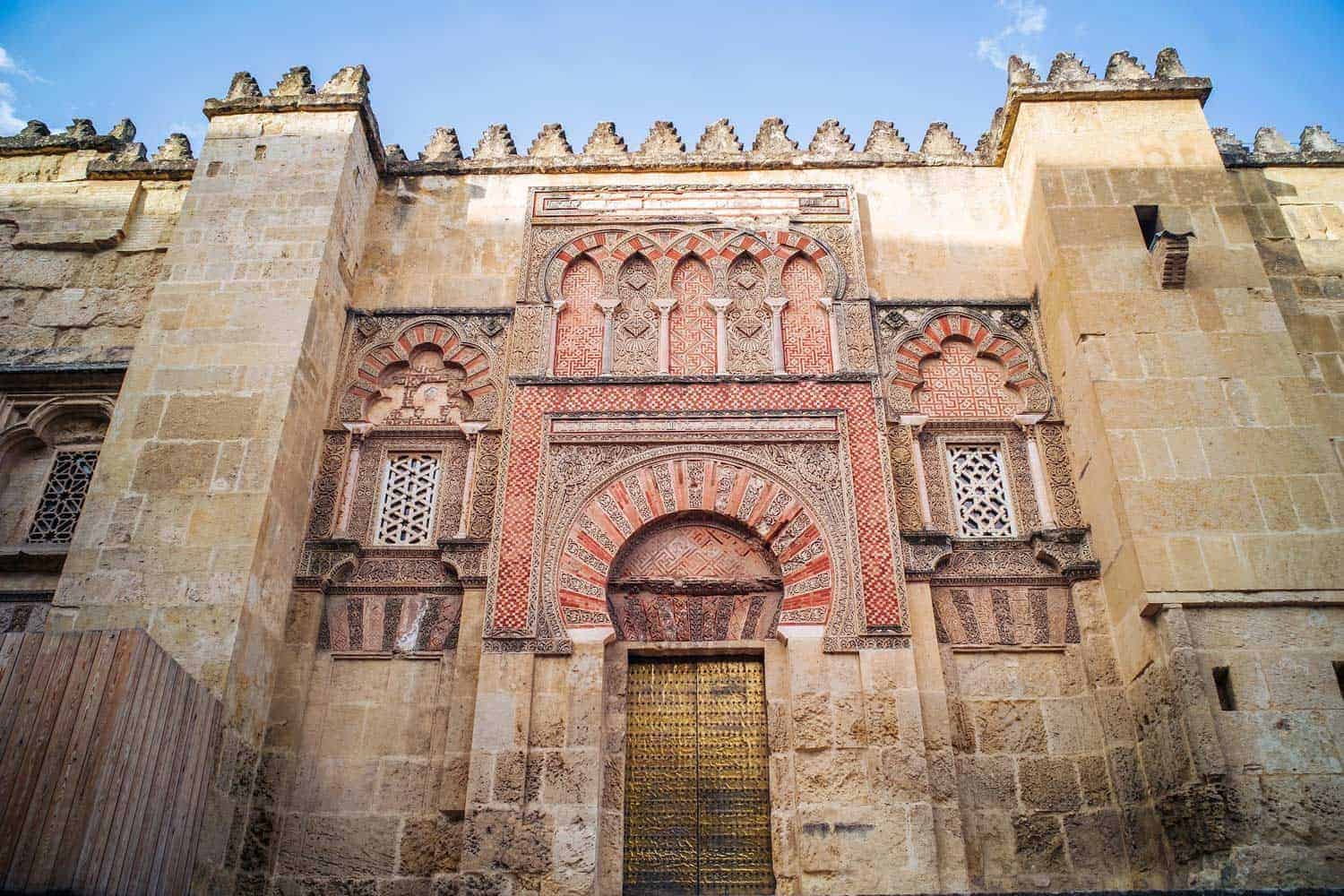
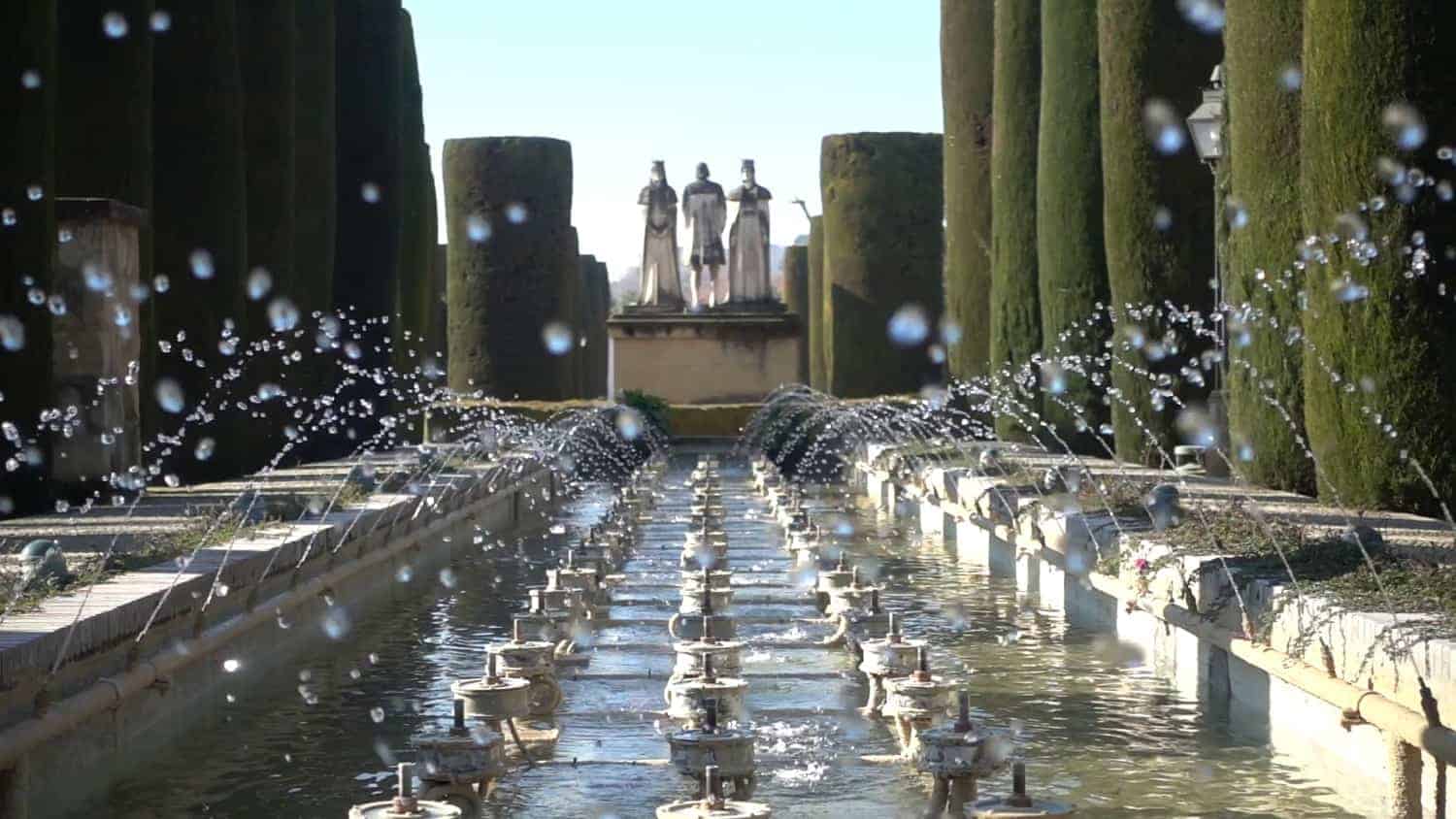
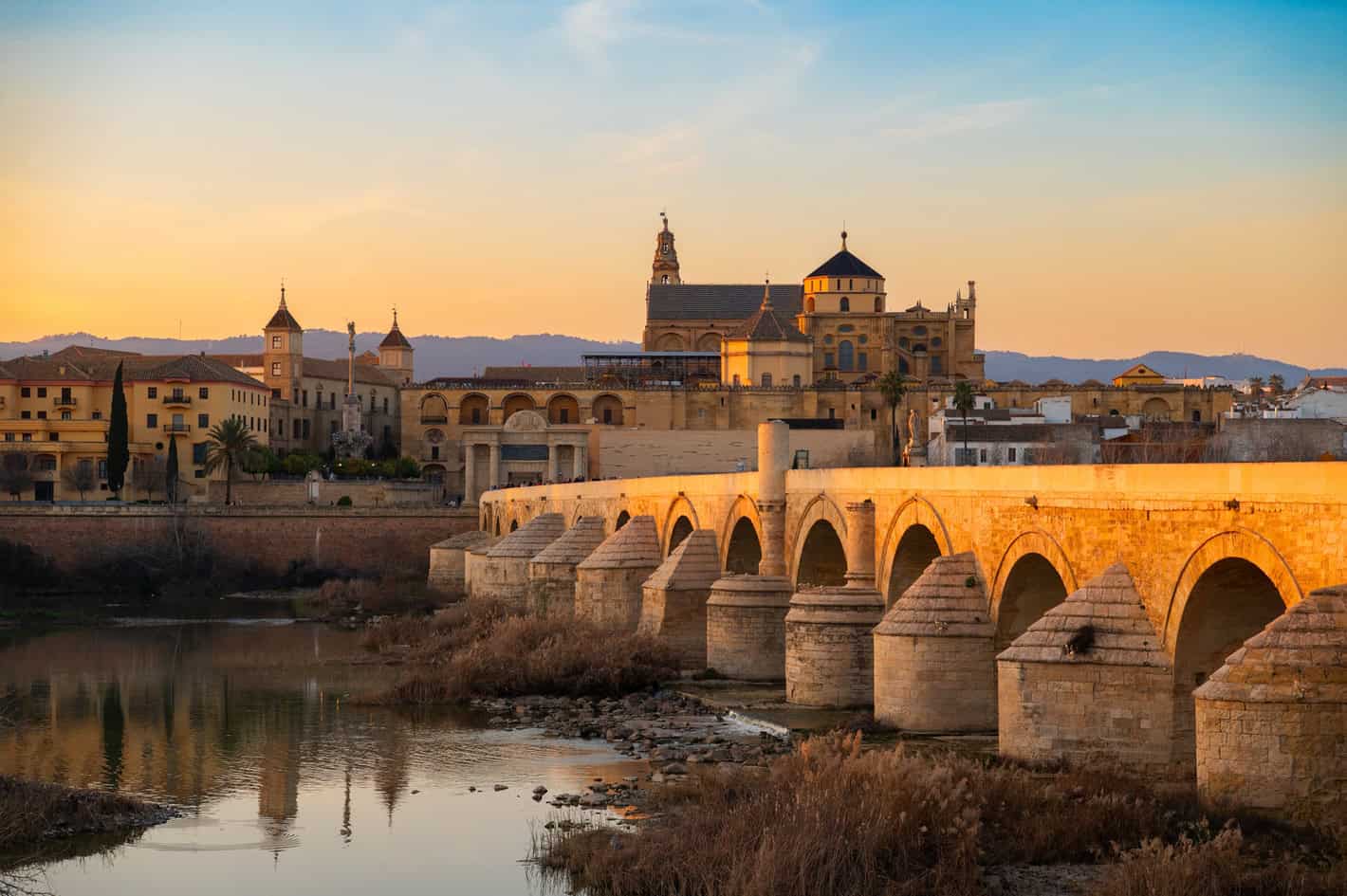
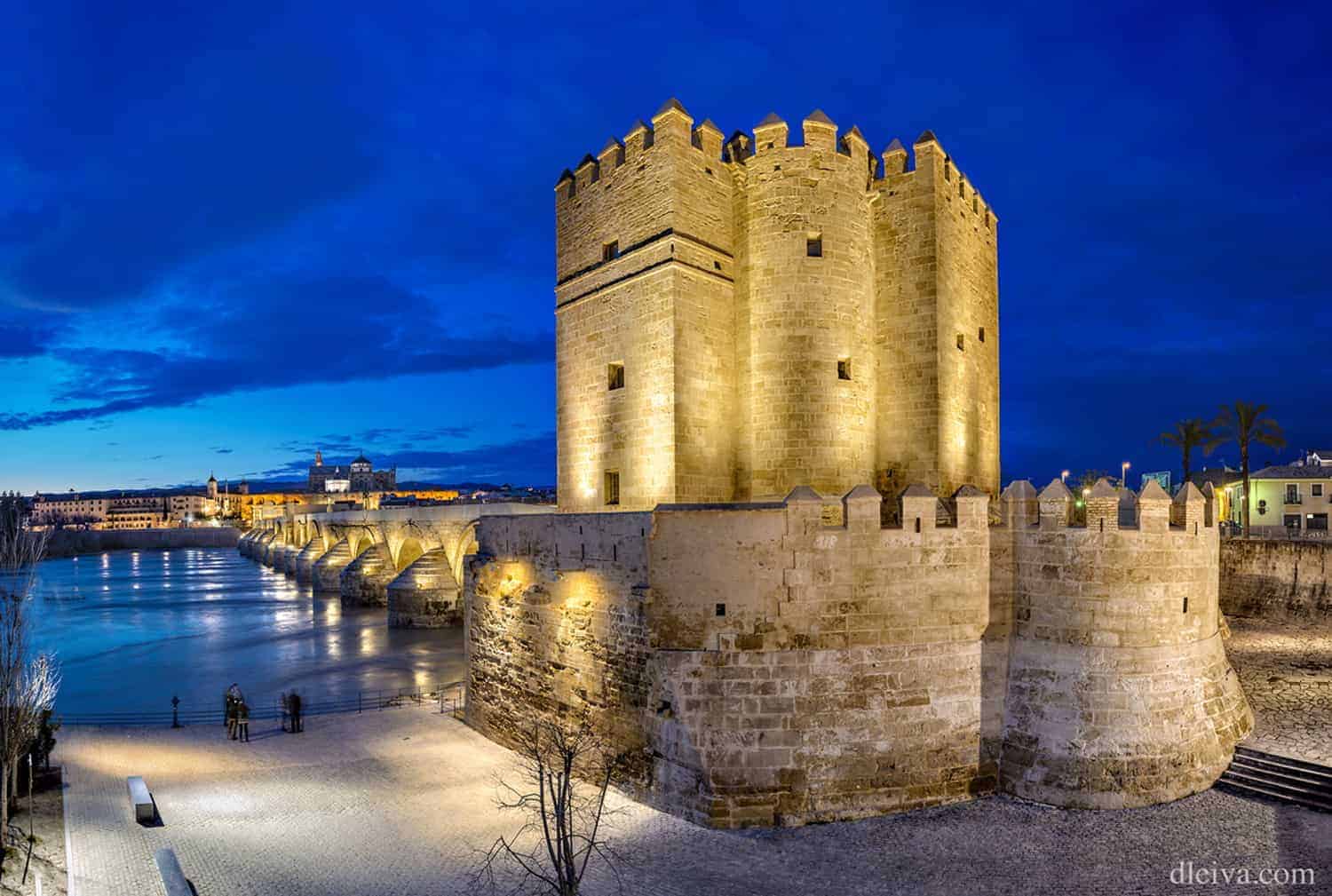
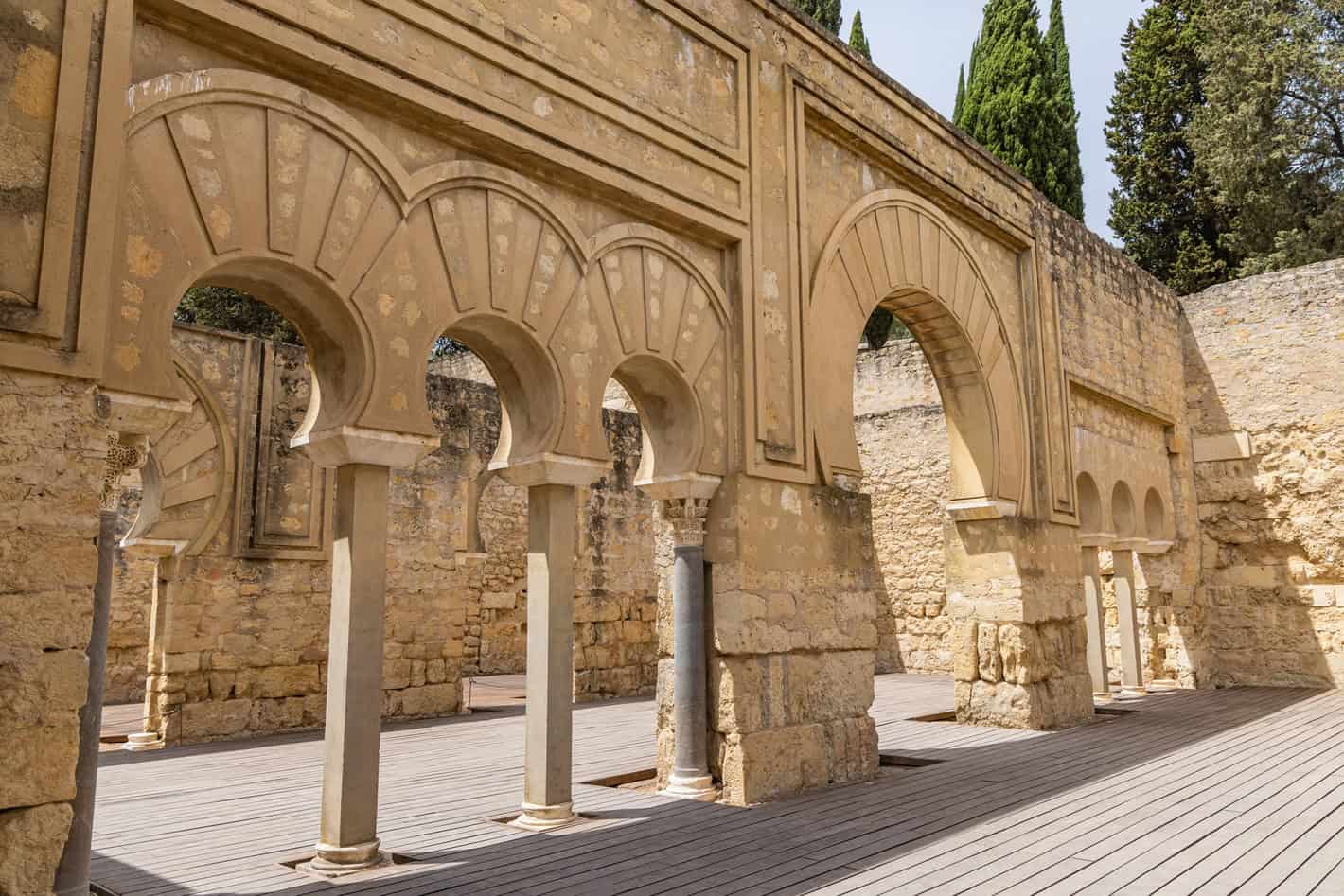
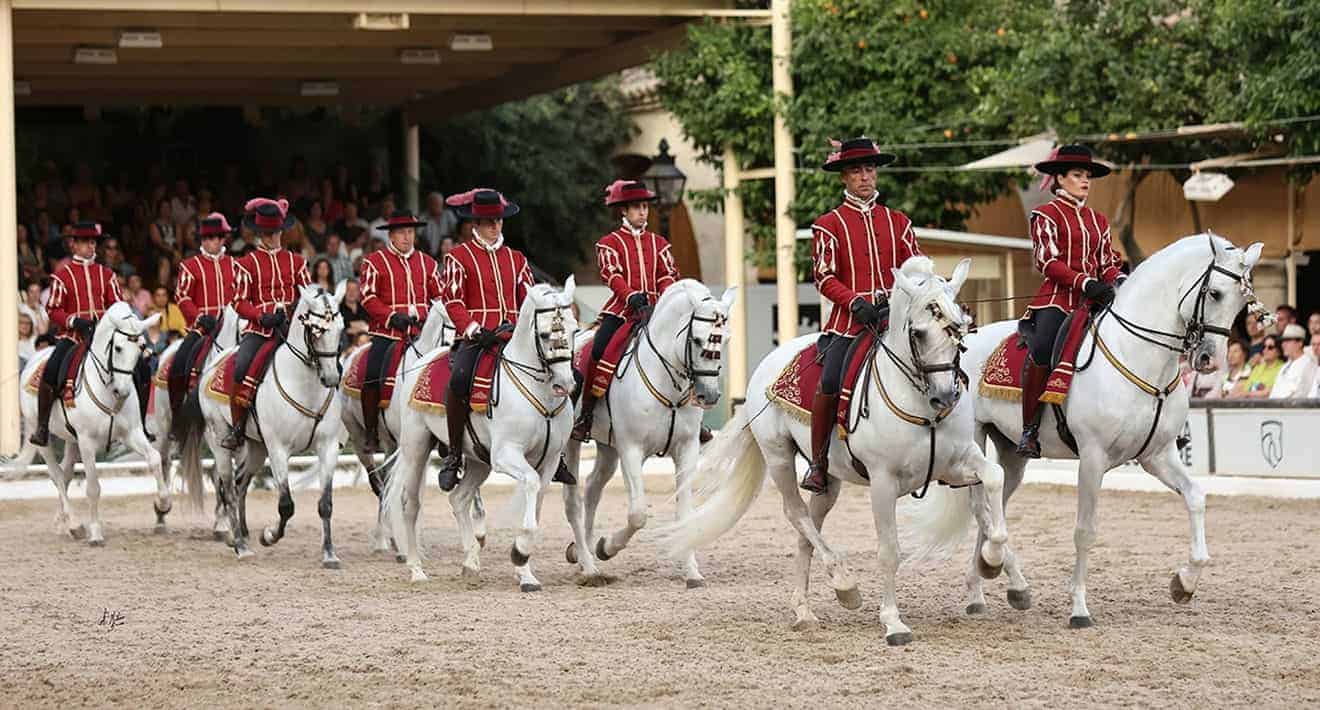
Cordoba is best known above all for its cathedral, formerly a mosque, the famous Mezquita, which alone is worth the trip to this city. But the legacy of Arab rule can also be seen in other places, such as the ruins of the caliphal residence Medina Azahara and above all the Alcazar de Los Reyes Cristianos, which was also built on the ancient Arab fortress and partly retains the Mudéjar style. Cordoba also has places that bear witness to other historical periods, such as the famous Puente Romano built over the Guadalquivir, or the splendid stables where the Andalusian horse breed has been bred since 1568: the Caballerizas Reales.
Important festivals and other events
Cordoba’s most famous festival is the Fiesta de los Patios, which takes place in May and was inscribed on UNESCO’s Representative List of the Intangible Cultural Heritage of Humanity in 2012.. During this event, the city’s private courtyards, decorated with thousands of flowers, are opened to the public. Also in May is the Feria de Nuestra Señora de la Salud, with a wonderful atmosphere of music and dancing. In addition, Holy Week is also deeply felt in Cordoba, as in all Andalusia, with processions and Stations of the Cross in the days leading up to Easter.
Neighbourhoods
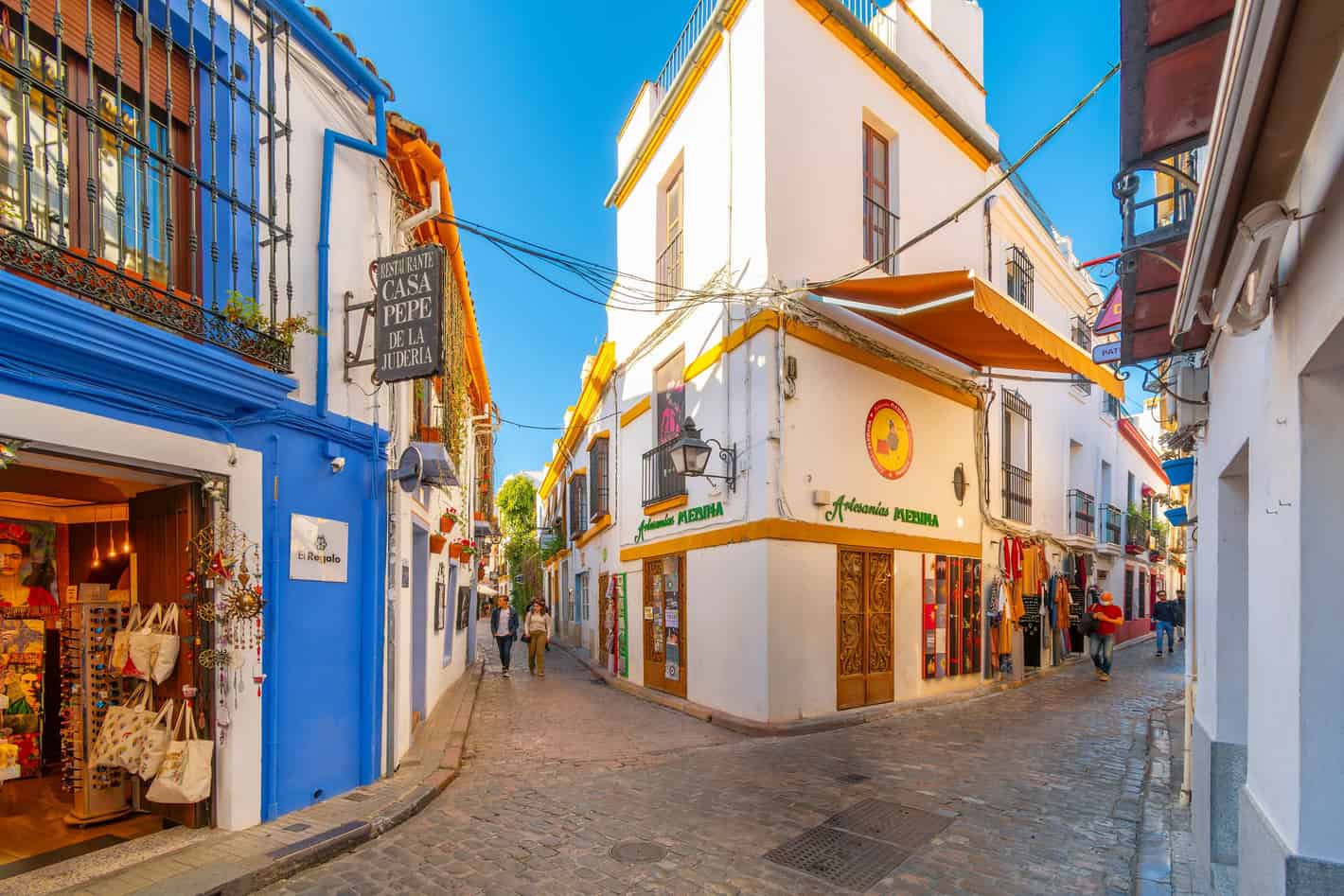
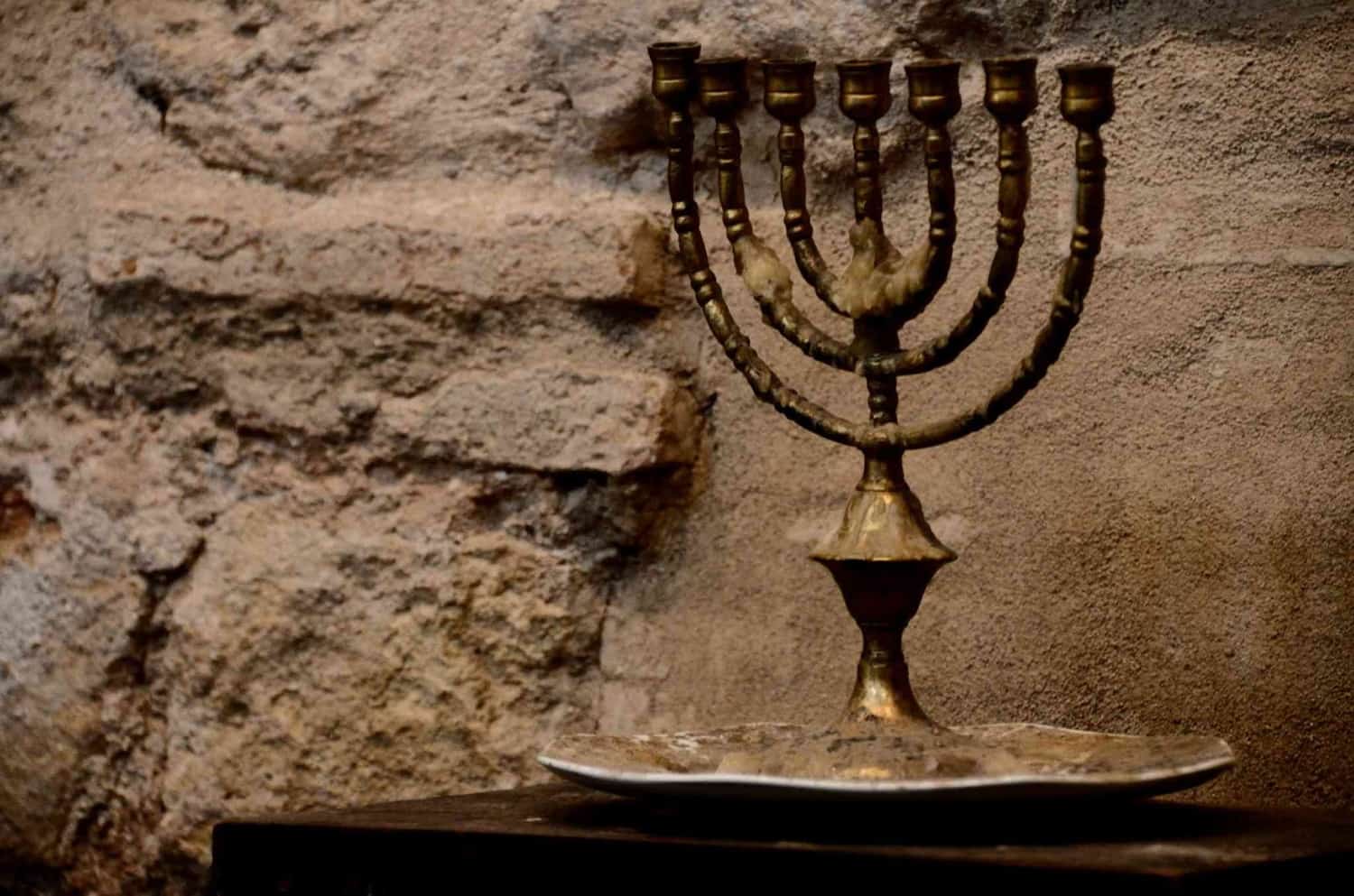
The most famous and characteristic district of Cordoba is the Judería, the old Jewish quarter famous for its narrow alleyways and the historic buildings clustered there. It is the most touristy part of the city. There are then other districts such as the Centro – full of shops and restaurants, lively at any time of day – and the San Basilio district, known for its flower-filled patios. There are also less touristy but very authentic and charming districts, such as San Lorenzo and Santa Marina.
Where to stay
Staying in the city centre means you can reach every attraction on foot, since the city is small, at least in its historic and tourist areas. The ideal districts from this point of view are Barrio Centro and the Judería, perfect for getting to all the sights in just a few steps and having every service close at hand. The Barrio San Andrés area is also a good place to stay outside the most touristy area, while still in the centre. Santa Marina is a quiet and convenient neighbourhood, while San Lorenzo is more popular. We have explored the advantages of each area in more detail in the article on where to stay in Cordoba.
Areas to avoid
Córdoba is a safe and peaceful city, where there is little to worry about and where there are no truly dangerous areas. Of course, as in any city, there are outlying neighbourhoods that can be a little more problematic, and for a tourist it may be best to avoid staying in areas such as Las Palmeras or Sector Sur. That said, the only real danger is pickpockets in the more touristy areas, as happens in all art cities.
Towns and attractions nearby
In the province of Cordoba there are towns well worth a visit, such as Zuheros and Almodóvar del Río, as well as several castles scattered across the surrounding area. A short distance from the city there are also towns that are easy to reach, even though they are in neighbouring provinces, such as Écija in the province of Seville or Alcaudete in the province of Jaén. Three natural attractions that are easy to reach from Cordoba are the Parque natural de la Sierra de Hornachuelos (to the west), the Parque Natural de la Sierra de Andújar (to the south-east) and the Parque natural de las Sierras Subbéticas (to the north-east).
Traditional Food in Cordoba
Don’t stop at tapas – which, yes, are eaten throughout Andalusia, but are especially typical of Granada and, if anything, Seville – and also try some of Córdoba’s typical dishes. A few examples? Salmorejo, a cold soup made with bread, tomato, garlic, oil and salt. It is so beloved by the people of Córdoba that it even has an official day dedicated to it, 24 April. You must also absolutely try Flamenquín (although its paternity is disputed with Jaén), a breaded and fried pork loin roll stuffed with ham. Among Córdoba’s dishes, mention must also be made of Rabo de Toro (bull’s tail): a stew made from bovine tail – historically from a bull fought in the ring, but now usually ox tail – braised slowly with wine, vegetables and spices.
Where to eat
In Cordoba there are not only many typical dishes, but also countless restaurants where you can try them. In the article dedicated to where to eat in Cordoba we have selected the best venues, from the most historic to the more laid-back ones.
Tourist passes
Compared with Seville, where there are several passes that include museums, attractions and public transport, Córdoba does not have a wide variety of tourist passes. In fact, there is only one, the Cordoba Pass, which can be useful for saving on the total cost of tickets if you intend to visit most of the city’s paid attractions.
Car hire
Most tourists who hire a car to explore Andalusia do so at the airports of Seville and Malaga, which are the region’s gateways where most flights land. But if your tour starts in Cordoba, bear in mind that there are several car hire firms, both at the airport and in the city itself. The advice, however, is to hire the car when you are about to set off on your road trip, since in a city like this a car is likely to be more of a hindrance than a help.
Where to Shop
If you are looking for souvenirs and handicrafts, lose yourself in the lanes of the Judería and you will find a multitude of little shops ready to meet your needs. If, on the other hand, you are after more traditional shopping, the ideal area is the city centre, particularly the area around Plaza de las Tendillas. Here you will find both local shops, as well as boutiques and big-name stores.
Where to go out in the evening (nightlife)
The nightlife in Cordoba is less wild than in other Spanish cities. The heart of the night scene is the historic centre, with various bars and venues. Plaza de la Corredera is among the squares that come most alive in the evening, while along Paseo de la Ribera there are several cocktail bars with music. For nightclubs and late-opening venues, the ideal area is Avenida del Brillante.
What are the opening hours like (dinner…)
In Spain, daily routines tend to run a little later than in the UK, especially in Andalusia. In Cordoba, it is perfectly normal to have breakfast between 9:00 and 11:00, lunch between 14:00 and 16:00, and dinner between 21:00 and 23:00. These later mealtimes also affect the opening hours of shops, restaurants and other businesses. In the more touristy areas, however, opening hours tend to be more flexible than in less visited parts of the region.
How many days to visit it
To see the essentials, that is, those truly unmissable attractions in Cordoba, one full day is enough. To also see the slightly less touristy sights and experience the city more in its everyday life, it would be best to set aside at least two days.
Time zone, currency, language
Mainland Spain is one hour ahead of the UK, so remember to adjust your watch when you arrive. The currency is the euro; cards are widely accepted, although it is useful to carry some cash for smaller purchases. The official language is Spanish, but English is widely spoken in the main tourist areas.
History, culture and sport
History in a nutshell
Cordoba was already an important Iberian settlement in antiquity, later conquered by the Romans in the 2nd century BC and becoming the capital of the province of Hispania Ulterior. In Roman times the city experienced great economic and cultural development, giving birth to figures such as Seneca. After the fall of the Roman Empire, Cordoba came under Visigothic rule until the arrival of the Arabs in the 8th century.
With the Islamic conquest of 711, it became one of the most important cities in Al-Andalus and, in 929, the capital of the Umayyad Caliphate under Abd al-Rahman III. During this period it reached its greatest splendour, becoming one of Europe’s leading cultural, scientific and artistic centres, with extraordinary monuments such as the Mosque-Cathedral of Cordoba. After the fall of the caliphate in the 11th century, the city entered a phase of decline, passing under the control of various Muslim kingdoms until the Christian conquest in 1236 by Ferdinand III of Castile. In the centuries that followed, Cordoba was progressively Christianised, with the transformation of religious buildings and urban changes, while religious tensions led to the persecution and expulsion of Jews and Muslims.
During the modern age the city lost importance in comparison with other Spanish centres, but it retained an immense historical heritage. In the 20th century Cordoba rediscovered and enhanced its cultural legacy, and today it has become one of Spain’s most captivating tourist destinations, a symbol of the meeting of different cultures.
Origin of the name
There is no absolute certainty about the origin of the name Cordoba. The oldest known name is the Roman Colonia Patricia Corduba, but its origin is almost certainly earlier. The suffix “-uba” is common to many Tartessian cities (Tartessos or Tartesia was a civilisation that lived on the Iberian Peninsula between the Bronze Age and the Iron Age), such as Onuba (the present-day Huelva) and Salduba (the present-day Estepona). The first part of the name, meanwhile, could refer to Certis, the ancient name of the Guadalquivir river.
Coat of arms
The coat of arms of Cordoba depicts the Roman bridge crossing the Guadalquivir, with the wheel of the Albolafia mill, the city walls and the Bridge Gate. Above rises, among the houses and three palm trees, the tower of the Mezquita. The whole is set within a blue roundel surrounded by a shaped red ring.
Football teams and stadiums
The most important team is Córdoba CF, which has also played in La Liga and today competes in the Spanish professional divisions. Alongside it is Córdoba CF B, the reserve side dedicated to developing young players. The main stadium is the Estadio Nuevo Arcángel, located near the Guadalquivir river, with a capacity of around 20,000 spectators.
University
The Universidad de Córdoba was founded in 1972, although its academic roots go back to the cultural tradition of the medieval city. Today it has several faculties and departments, with particular excellence in the scientific, veterinary and agri-food fields. Its main campuses are Rabanales, modern and devoted mainly to the sciences, and the urban campus spread across the historic centre. The university is active in research and works with international institutions, attracting students from abroad too. Thanks in part to its presence, Cordoba retains a young and dynamic atmosphere, with a constant presence of Spanish and foreign students.
Famous theatres
The Gran Teatro de Cordoba, designed by the architect Amadeo Rodríguez, is the city’s main theatre. Opened in 1873, it remained in use for almost a century, until it closed in 1970. The council saved it from demolition in 1982, acquiring it from the owners and declaring it a building of historical and artistic interest. Today it is regularly used for various kinds of performances. The Teatro Góngora is also very important: built as a cinema in 1932, it was the only theatre in the city during the years when the Gran Teatro was closed. It too was closed in 1997 and then bought by the council and renovated.
Famous people (writers, actors)
Córdoba has given birth to famous figures in a range of fields. The most celebrated – even if many mistakenly take him for granted as Roman – is Lucius Annaeus Seneca, one of the most important Stoic philosophers of the Roman Empire. Another philosopher born in Córdoba, but under Arab rule, is the famous Moses Maimonides. There have also been a series of artists from different eras and disciplines, from painting to music, and even dance: in this latter field, the best-known name is undoubtedly that of the flamenco dancer Joaquín Cortés. And looking at other local traditions, one of the best-known names is that of Manolete, the most famous bullfighter of the twentieth century, born right in Córdoba.