The Barrio Triana is one of the best-known historic neighbourhoods of Seville, although in the past it was considered the ‘wrong side’ of the river because of the poverty, crime and popular, working‑class atmosphere that characterised it. Some trianeros, the inhabitants of Triana, still like to describe themselves as ‘independent’ from Seville, partly out of tradition and partly in jest.
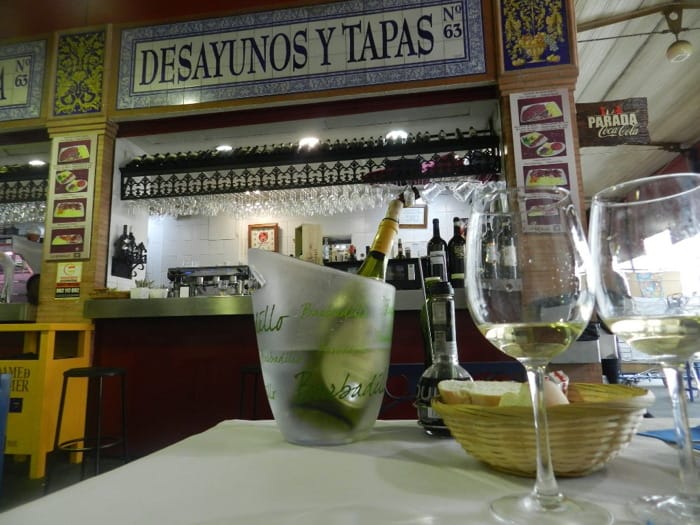
Today strolling through Triana is a magnificent experience: by day you’ll be enchanted by the atmosphere of the market, the flower-lined streets, the ceramics shops, the ancient churches and fortresses, in the evening you can admire a breathtaking panorama as you stroll along the river on Calle Betis, see magnificent flamenco performances with your own eyes right where this art was born centuries ago. Not to forget the tapas: you can savour excellent ones in the many bars and venues at the neighbourhood market.
Contents
The history of Triana in brief

Traditions, the sense of belonging and the collective identity in Triana coexist with modernity and the nightlife. You’ll notice it when you visit: the barrio Triana is more than a neighbourhood — it’s a city within a city.
In the past this area was very different. The Triana area, in fact, had been chosen to house the Romani people, who until then had been nomadic. Thus the Romani quarter of Triana was born, with the Guadalquivir River separating it from the rest of the city. Just consider that only in 1852 was the Puente de Isabel II built, the bridge linking Seville city centre and Triana.
This isolation has, over time, led to the development of a neighbourhood full of charm, where an art such as the flamenco could be born and spread, and where sailors, bullfighters and pottery craftsmen were able to bring their skill to the fore despite (or perhaps because of) the economic conditions of the neighbourhood they came from.
Triana in Seville: How to Get There
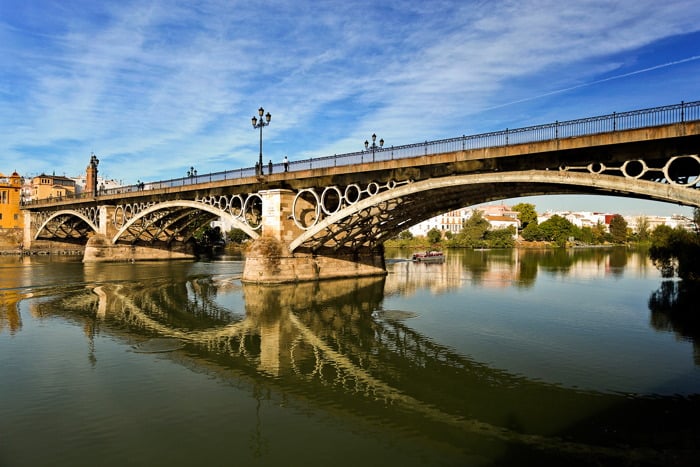
The best ways to reach the Triana neighbourhood are the metro (Plaza de Cuba station) or on foot, via the Puente de Isabel II, also known as the Puente de Triana.
What to see and do in the Triana District: suggested itinerary
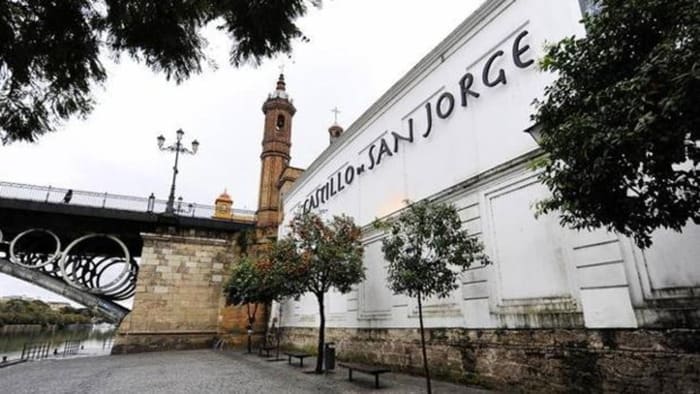

Although it lacks the appeal and tourist fame of the Barrio Santa Cruz, Triana will immediately make an impression on you: welcoming you to the neighbourhood is the Castillo de San Jorge, to the right of the bridge. A Muslim fortress on the banks of the river, it later became sadly known for being the seat of the Holy Inquisition between 1481 and 1785. Pause to look at the arch of the Callejón de la Inquisición: anyone who crossed this arch and walked the road to the castle would have been declared a heretic and, probably after a long imprisonment and unspeakable tortures, would have died at the stake. Today the remains of the Castillo de San Jorge (protected by a glass screen) form the setting for the Centro Temático de la Tolerancia del Castillo de San Jorge. Admission is free.
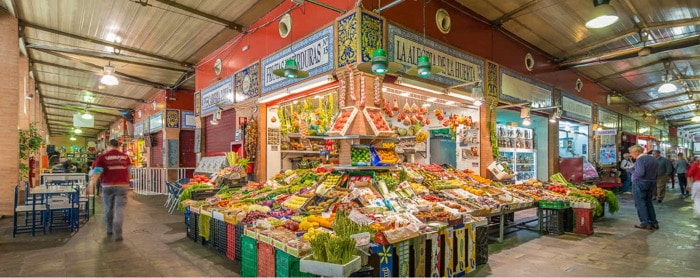
In the immediate vicinity of what remains of the castle, you’ll find the famous Mercado de Triana. It’s a covered market, generally not too crowded, rich in local products both food and non-food. Ideal for tasting jamón, queso, chorizo, olives or traditional sweets and, given the excellent value for money, it’s the perfect place to enjoy a good lunch without spending too much. It’s worth knowing that the area is covered by free Wi-Fi. The market stalls are open from Monday to Saturday from 8:00 to 15:00.
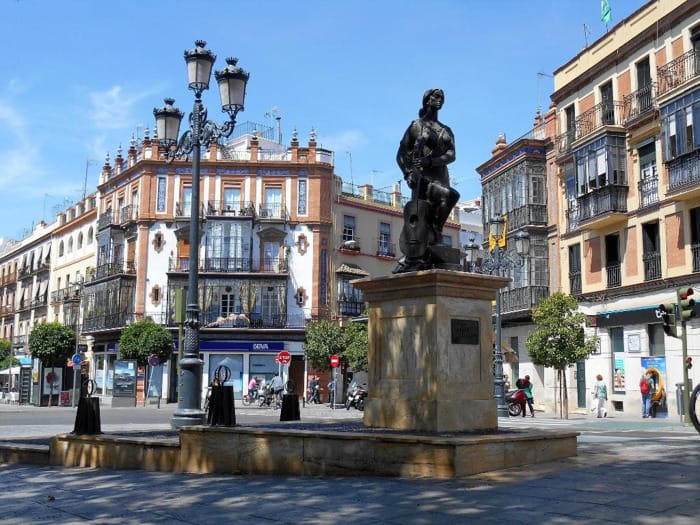
Both the castle and the market overlook the most important square in Triana, Plaza del Altozano. In the centre of the square stands the bronze statue of one of Seville’s most famous bullfighters, Juan Belmonte. The square is renowned for its buildings with miradores, balconies and wrought-iron verandas with views over the neighbourhood.
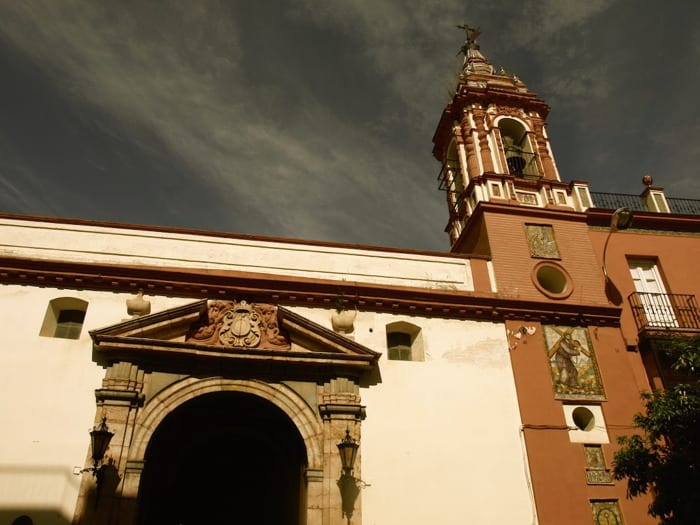
Not far from the market, in Calle Castilla, is the beautiful baroque church Iglesia de Nuestra Señora de la O. The church was built in just a few years, between 1697 and 1702, and is home to the confraternity Hermandad de Nuestra Señora de la O. The confraternity is a source of pride for the trianeros as it was the first to cross the Puente de Barcas in 1830 to take part in the Stations of the Cross at the Seville Cathedral. Inside the church you can admire a sculptural group of Saint Anne, Saint Joachim and Mary, and a statue of Christ carrying the cross by the artist Roldán Pedro. There are also several baroque sculptures of particular interest and the colourful bell tower is adorned with azulejos.
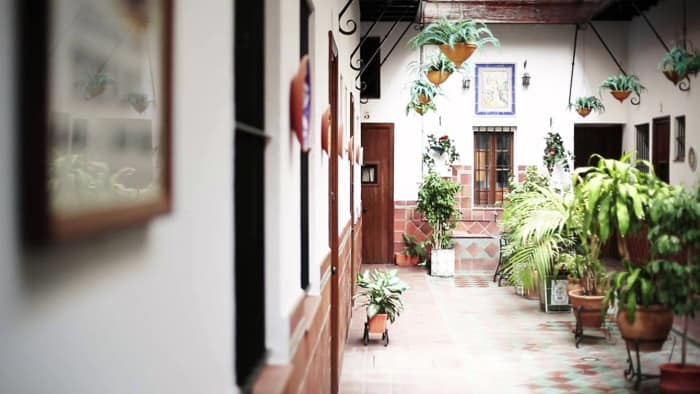
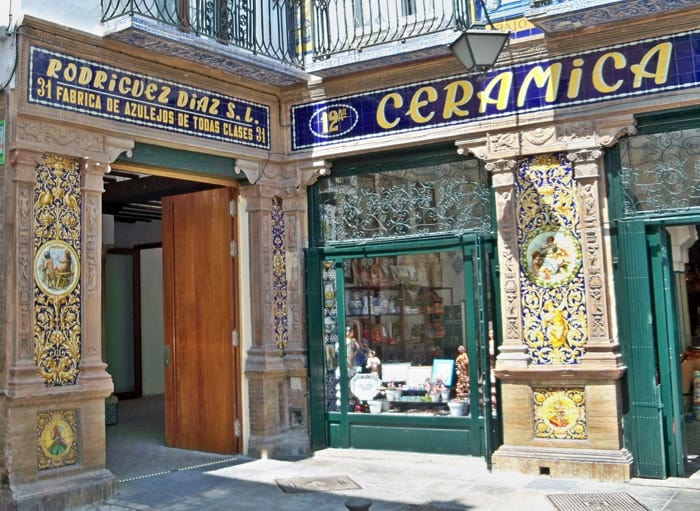
After visiting the church you can return towards the centre of Triana along the characteristic Calle Alfafería to Calle Antillano Campos. This area is famous for the casas de vecinos, groups of houses opening onto a courtyard where, according to tradition, flamenco was born with the first performances put on for family and neighbours. In this area you will also find some of the last remaining talleres, the ceramic workshops, the craft for which Triana is famous.
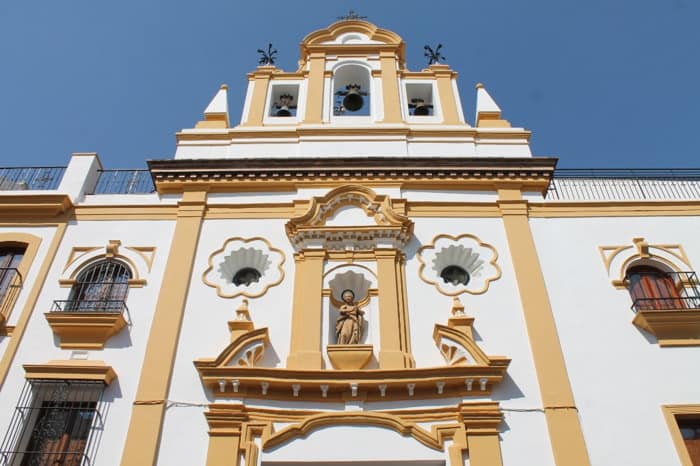
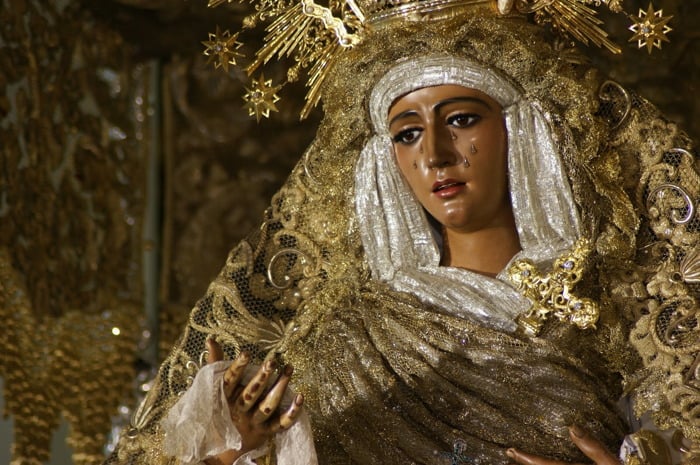
Continue along Calle Rodrigo de Triana, the street with white and ochre buildings named after the sailor who, according to tradition, was aboard one of Christopher Columbus’s caravels, then take Calle Flota until you reach Calle de la Pureza. At number 53 Calle de la Pureza is the Capilla de los Marineros, a splendid small chapel built between 1759 and 1815 with a white and yellow façade. Inside is one of the statues most venerated during the Semana Santa in Seville, the Virgen de la Esperanza de Triana.

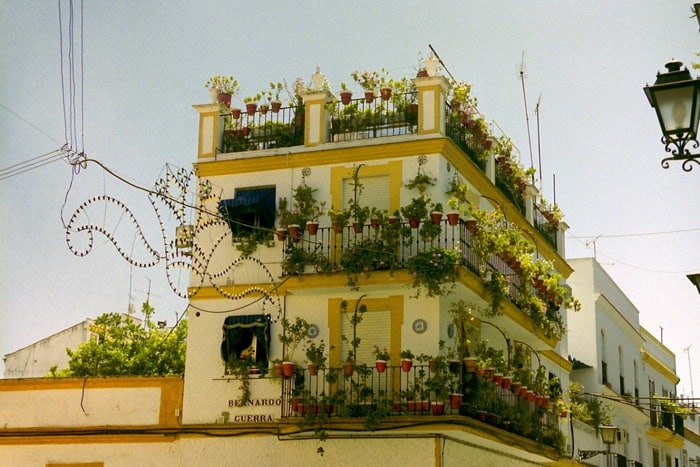
From Calle de la Pureza head to Calle Pelay Correa, one of the streets that most evokes the Triana of old, with balconies adorned with flowers and washing hung out to dry. Along this street you will have the chance to see Seville’s oldest church, Iglesia de Santa Ana. Built between 1276 and 1280, it was commissioned by King Alfonso X the Wise to thank Saint Anne for the healing of an eye disease.
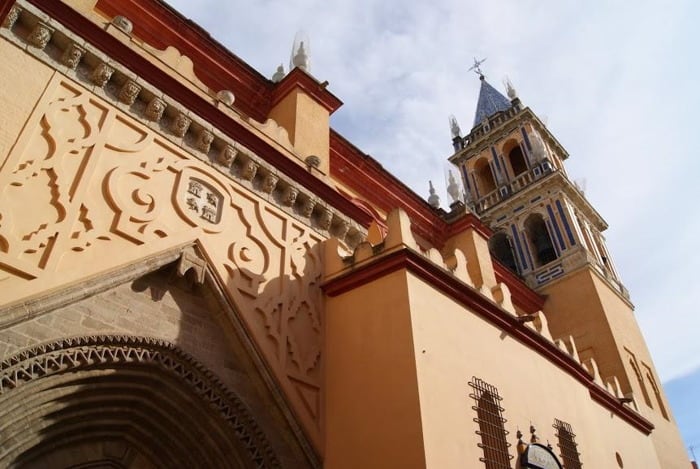
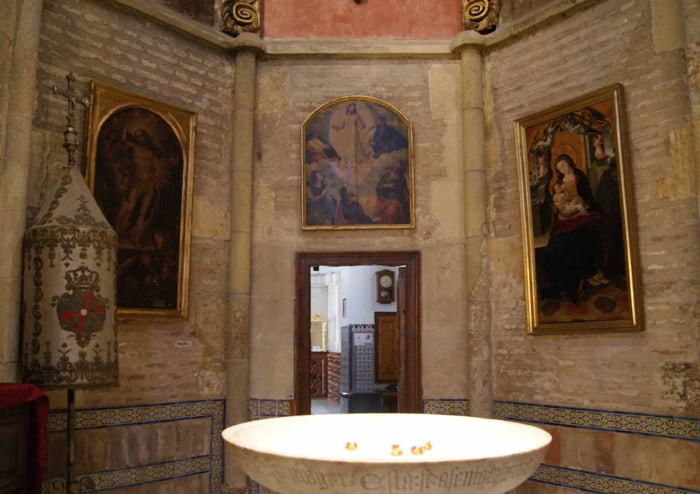
The church has been restored and rebuilt several times, but still retains Mudéjar elements and is decorated on the outside with splendid azulejos. Inside there is an altarpiece with 17 scenes from the lives of Saint Joachim and Saint Anne, and in the baptistery you can admire la Pila de los Gitanos, the Fountain of the Gypsies. Tradition has it that the water of this baptismal font passes on the gift of flamenco singing to those baptised. The Iglesia de Santa Ana was considered the Cathedral of Triana for many centuries, until in 1852 the Puente de Isabel II unified the city under the government of Seville.
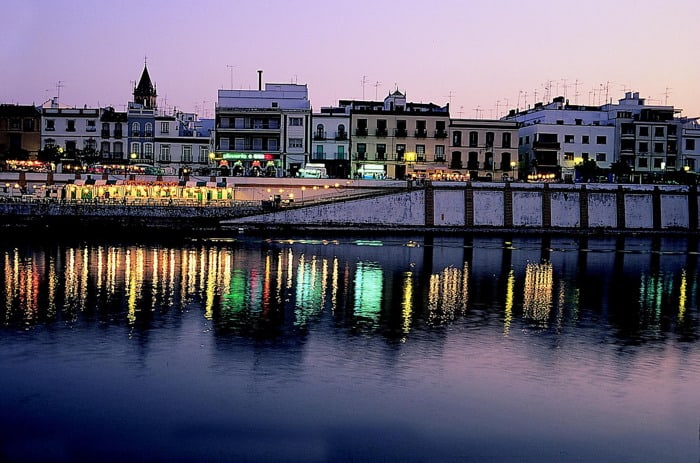
The itinerary for Triana that I suggested ends in Calle Betis, one of the streets where today Seville’s nightlife: here you can enjoy an aperitif or take a pleasant scenic stroll. Overlooking the river, from this street you can admire Plaza de Toros, the Torre del Oro and the eastern riverbank.
Triana Attractions Map
Where to Eat in Triana: Restaurants to Try
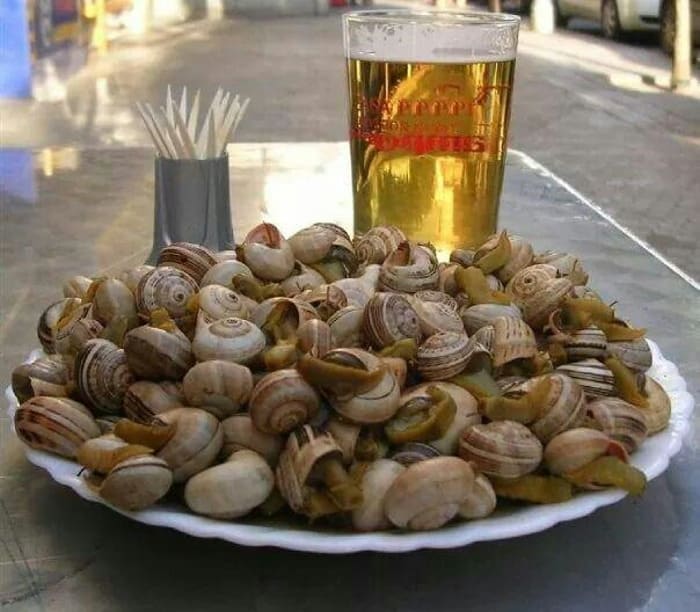
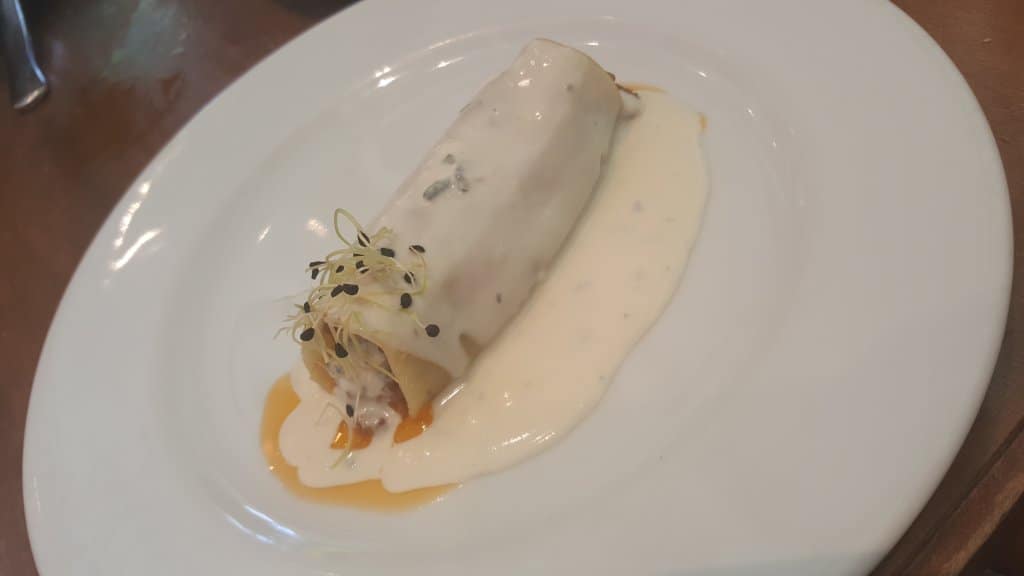
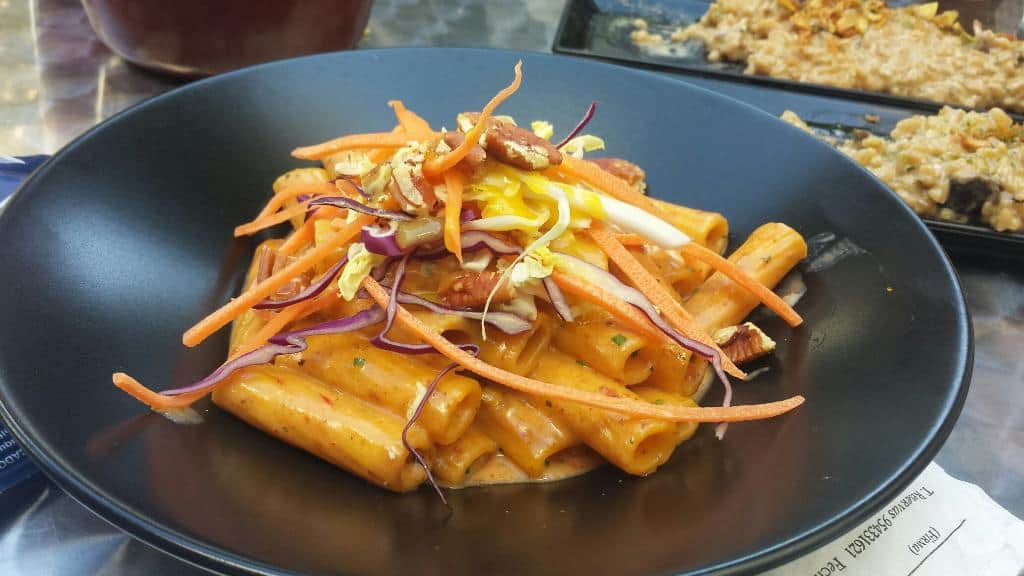
In addition to the Mercado de Triana, here are some places in Barrio Triana to eat:
- Casa Diego: the owners of this rustic venue have earned a reputation as some of the very best tapas cooks in the whole of Triana. The competition is fierce, of course, but try one of the specials written in chalk on the blackboard and you will understand why — especially the caracoles or the stews. Even more convincing is the final bill.
- Blanca Paloma: traditional tapas with a strong focus on innovation and refined flavours, proving that Triana can satisfy even the most sophisticated palates.
- Bar Salomón: nicknamed El Rey de los Pinchitos for good reason. Here you can enjoy skewers cooked in every possible way — and not just with the classic Spanish salsa brava.
- Puratasca: a simple, unpretentious place hidden in a side street that has become famous for the exceptional quality of its dishes — something you would never expect when first walking in. And the final surprise is the bill… absolutely not to be missed.
Where to stay in Triana?
You will find tips on where to stay in the Barrio Triana in our dedicated article: follow the link below to see if this is the neighbourhood for you and to find advice on accommodation during the Feria de Abril, which takes place right on the Barrio’s doorstep.
