Flamenco is pure art, a way of life that encompasses pain, passion, a zest for life, frustration and desire. When we see and hear a flamenco performance, we feel a visceral emotion that calls to mind distant places and times, yet gnaws away at us and makes our soul lose itself in its relentless rhythm.
Today flamenco is known and performed all over the world, but as many know Flamenco in Seville is at home. You cannot leave the capital of Flamenco without first having seen a performance of this discipline that was rightly declared by UNESCO Intangible Cultural Heritage of Humanity in 2010.
Contents
Origins and spread of Flamenco
The origins of Flamenco are not easy to define. The Romani people who arrived in Andalusia combined their song of cultural affirmation and rebellion against oppression with the musical styles of the Moorish, Jewish and Christian peoples. From the combination of these artistic expressions Flamenco was born, and it established itself, as we understand it today, from the eighteenth century onwards.
Flamenco in Seville
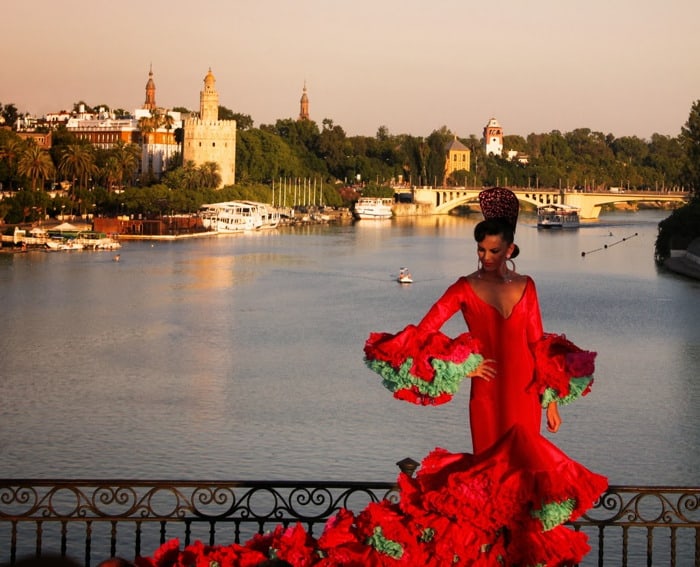
The Triana neighbourhood in Seville is known as the gypsy quarter because of its history and traditions. The barrio Triana is therefore closely linked to the spread of flamenco. The gypsies, forced to settle, began to live in this part of Seville. And it was precisely a Triana that a fundamental change in the very soul of Seville’s flamenco took place: from a predominantly private musical expression, useful only to recall one’s origins and one’s belonging to the gypsy people, flamenco became an artistic performance put on by professionals, the payos, for a paying non-gypsy audience.
The spread of the payos went hand in hand with the spread of the tablaos, venues where professional performers showcased their art. To this day, in the neighbourhoods of Triana, El Arenal and Santa Cruz the tablaos are numerous and attract locals and tourists of all nationalities who wish to admire a timeless art.
The various forms of Flamenco
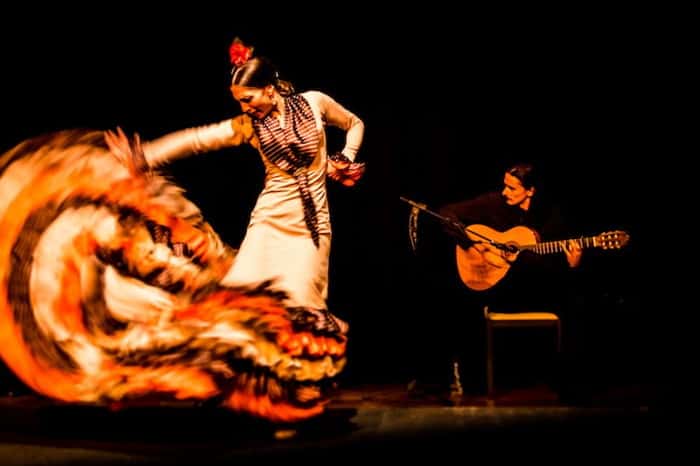
We could define the flamenco as the soul of Andalusia. But precisely because of its nature, it would be wrong to talk of a single flamenco. The variety of this art form is striking. First of all there is the flamenco sung solo, as in the case of the debla, the saeta, the tond and the martinete. For example, you will have the chance to hear the singing of the saetas during the processions of the Semana Santa of Seville. The Cante Jondo is the ancient ‘deep song’ of the Flamenco artist that expresses all the suffering of the Romani people.
There is also the flamenco accompanied by the guitar. The flamenco guitar has a flat, lighter body. The soundboard beneath the sound hole is reinforced because the performer often taps the guitar with their fingers. Famous examples include the seguidilla, the petenera and the rondeña. Among the most renowned guitarists is certainly the composer Paco de Lucía, who died a few years ago, in 2014.
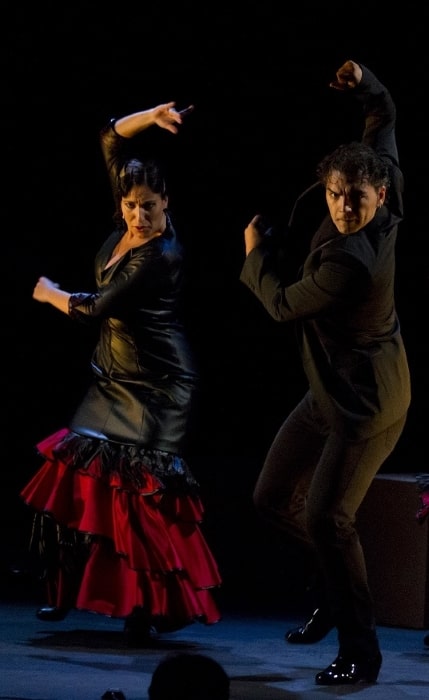
Finally, the best-known flamenco is that accompanied by one or more female or male dancers. We’re talking about art forms such as the fandango, the tango flamenco, the sevillanas and the malagueña. The bailaora – the female flamenco dancer – generally wears a long skirt, wide at the hem, with flounces, which allows agility of movement and the lifting of the dress to show the feverish movement of her feet. Shawls, fans and castanets often accompany this costume, depending on the type of dance. The bailaor are the male flamenco dancers: they too, wearing nail-studded shoes, have a more sober costume but one that nevertheless allows them to project a strong stage presence.
The real skill of the dancers is shown in their ability to improvise from the basic steps and in the indispensable rapport with the guitarist and the singer: it is in such moments that the flamenco performance truly becomes magic in its purest form.
Best Venues in Seville to see Flamenco Shows
Although Triana is the neighbourhood historically credited with being the birthplace of flamenco, some of the most famous venues to experience this art and to see a performance are in the Barrio Santa Cruz. However, the first one I recommend is in the El Arenal.
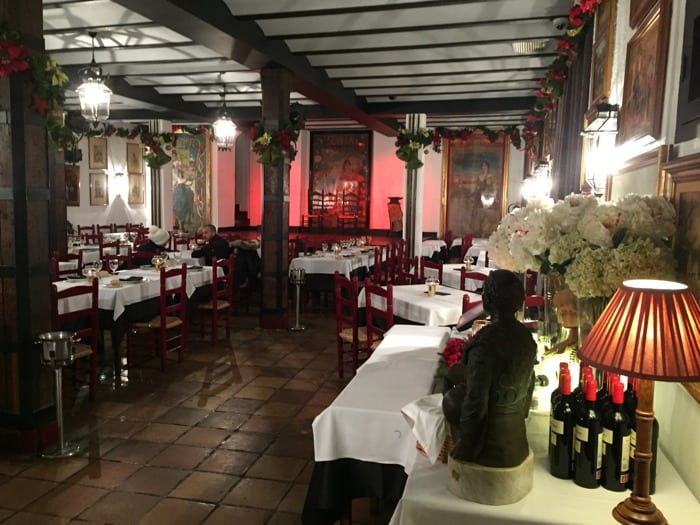
The Tablao El Arenal (Calle Rodo, 7) has an important history: founded in 1975 by the renowned bailaor Curro Vélez, it is today one of the most celebrated tablaos in Seville and among the most popular with tourists who want to see the flamenco spectacle for themselves. The typical Andalusian cuisine offered by the restaurant is a considerable incentive to attend one of the performances: you can, in fact, enjoy it while sipping a drink or eating tapas. You can see the prices of the various options at the links below, from which you can book the option you prefer.
Book a Flamenco show at Tablao El Arenal
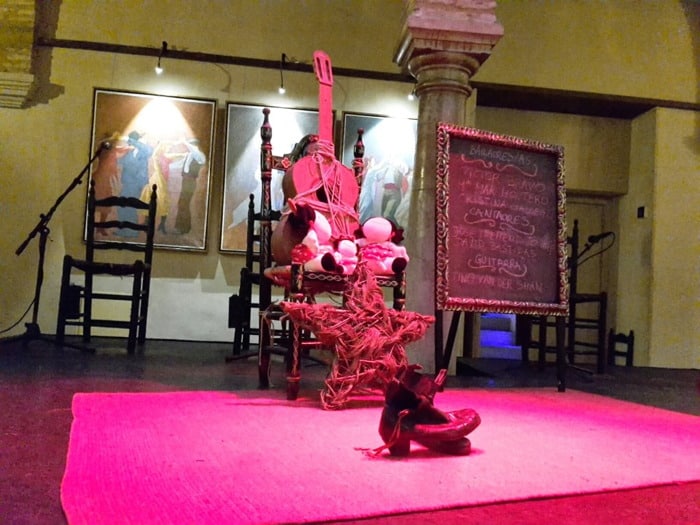
The Museo del Baile Flamenco is located at Calle Manuel Rojas Marcos, 3. This museum combines an exhibition space for learning about flamenco with a dance and music school. In addition, you can see a flamenco performance here every day. The performances last one hour and cost around €25. The choreographies for the Museo del Baile Flamenco’s performances are all created by one of the most important and renowned flamenco dancers in the world, Cristina Hoyos. You can also visit the museum (ticket €10) every day from 11:00 to 18:00. For more information, read our article dedicated to the Museo del Baile Flamenco in Seville.
Tickets for the show at the Museo del Baile Flamenco
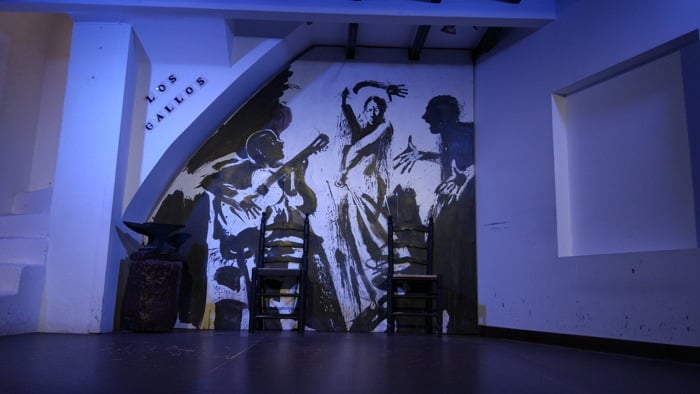
Tablao Flamenco Los Gallos is another of the most famous and well-attended venues. Opened in 1966, it is located at Plaza de Santa Cruz, 11. Every evening there are two performances: one at 20.30 and one at 22.30. The show lasts 1 hour and 15 minutes and there are generally at least 10 artists on stage, including singers, dancers and guitarists. The ticket costs €35 and includes a drink. Children aged 6 to 10 pay €20.
Tickets for the show at Tablao Los Gallos
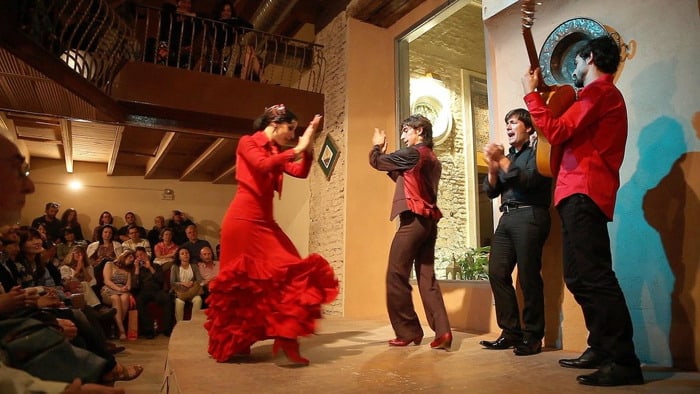
The Casa della Memoria is located at Calle Cuna, 6, just a stone’s throw from the Palacio de Lebrija. In a rather evocative setting, with the stage close by, the emotion is guaranteed. Casa de la Memoria is also a Centro Cultural de Flamenco and a museum with exhibitions open to the public. Shows take place every day at 19.30 and 21.00. There is often a third performance at 22.30. Tickets cost 22 euros per person and include admission to the permanent exhibition. Children aged 6 to 11 pay 12 euros.
Tickets for the flamenco show at the Casa de la Memoria
Other famous flamenco shows in Seville are as follows:
- Flamenco Show at Palacio Andaluz
- Flamenco Show at Baraka Sala Flamenca (Triana)
- Flamenco Show at Tablao Cantaora
- Flamenco Show at Casa de la Guitarra
Free Flamenco Shows in Seville
If you don’t want to pay for a ticket but still want to see a flamenco show, even if it isn’t always performed by top-level professionals, I recommend the following venues.
Santa Cruz Neighbourhood
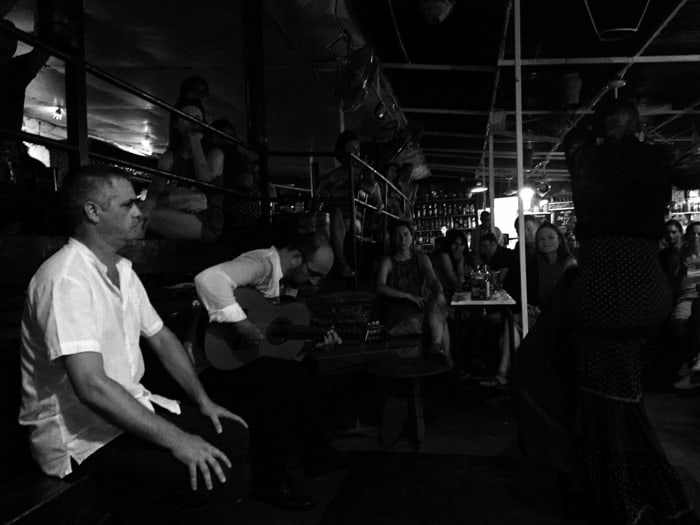
La Carbonería, in Calle Cespedes, 21, opens at 7pm and offers several free flamenco performances every evening. You only need to order a drink, perhaps a sangria or a local beer, and you can enjoy multiple performances by the artists on stage that will leave you speechless. To be sure of getting a table, don’t arrive later than 8pm or 8.30pm. The venue is an old coal factory: it has a somewhat bohemian and spartan feel, but the drink prices are affordable and the atmosphere is unique.
Triana Neighbourhood
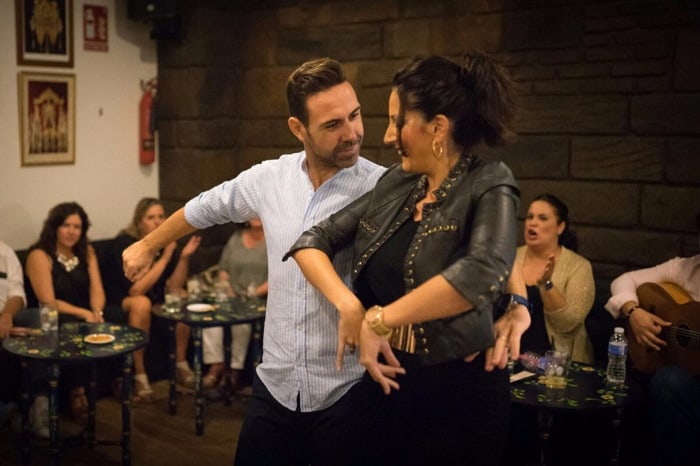
If, on the other hand, you want to see a flamenco show in Triana, go to the Lola de los Reyes Tablao Flamenco on an evening from Wednesday to Saturday, but not before 11pm: you’d find it closed! The bar, located in Calle Pureza 107, is characterful and by no means touristy: you can enjoy small bites and watch a slightly rough-and-ready but unquestionably authentic flamenco. The shows go on until dawn, admission is free but a drink is required. Booking is not compulsory but recommended.
