Far from the crowded beaches of Malaga and the hyper‑touristy resorts of the province, the famous holiday destinations of the Costa del Sol, on the ocean‑facing side of the Andalusian coast, from Tarifa onwards lie the unspoilt beaches of Cádiz and its province, which we also covered in our article on the Costa de la Luz. A paradise for nature lovers and water‑sports enthusiasts, these beaches vie with the province of Almería for the title of most beautiful.
With this article, we want to tell you about the most beautiful beaches of Cádiz, both in the city and in the province, that is, in the towns of the Costa de la Luz facing the Ocean, also giving you some tips on which to choose during a tour of Andalusia and in which nearby towns to base yourself or find accommodation.
Contents
- The beaches of Cádiz
- The beaches of Conil de la Frontera: a stretch of golden sand on the Atlantic
- Los Caños de Meca: a paradise of sand and rock
- The beaches of Zahara de los Atunes: sea and seafood tapas, what else?
- Bolonia Beach: an immense dune overlooking crystal‑clear waters
- The beaches of Tarifa: a mecca for surfers
- The beaches of Algeciras: little pockets of paradise in an industrial city
- The beaches of Gibraltar: playa or beach?
- The journey continues… the northern Costa de la Luz!
N.B.: the map contains only some of the province’s most beautiful and well‑known beaches. To find out more, also read our articles dedicated to the beaches of Tarifa, the beaches of Conil and those of Sanlucar de Barrameda and Puerto de Santa Maria (not included on the map).
The beaches of Cádiz
If your plan is to visit Cádiz, interspersing your city tour with a few dips in the sea, bear in mind that almost all the beaches are on the ocean side: a very long stretch of sand that begins at the gates of the city centre and stretches on endlessly to the south.
La Caleta Beach
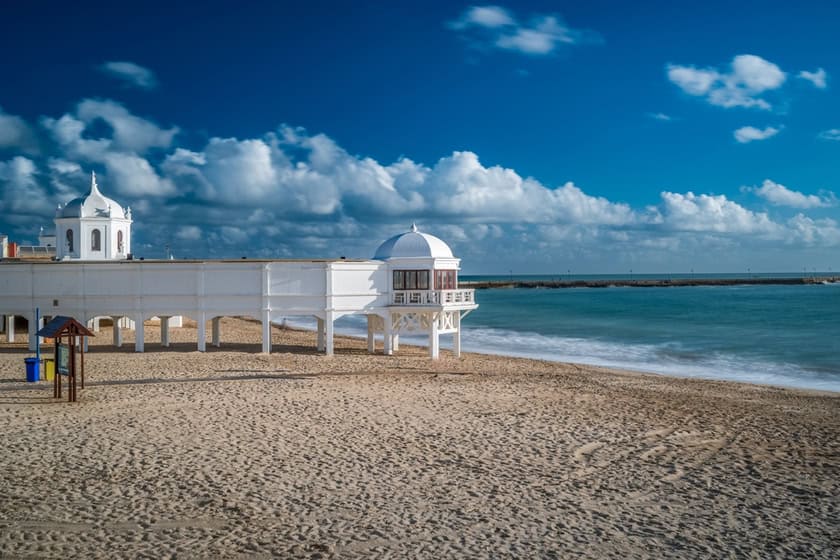
The most immediate option for those who don’t want to move away from the centre is to head to the Playa de la Caleta, the urban beach nearest the old town, located in the heart of a small cove on the western side of the city and squeezed between two dramatic landmarks: the Castillo de Santa Catalina and the Castillo de San Sebastián. It’s a small, intimate and very urban beach, so don’t expect vast spaces or a wild atmosphere: people come here above all to breathe in a piece of Cádiz’s identity, and perhaps watch a beautiful sunset
La Caleta is well served and very easy to reach on foot from the central neighbourhoods, particularly from the Viña. There is no shortage of bars, restaurants and places to stop off before or after a swim, while on the beach, in season, you will normally find basic facilities such as showers, toilets, lifeguards and equipped access points. Precisely because it is so convenient and central, however, it tends to fill up quickly, especially at weekends and during the summer months.
Adding to the charm of this little beach is the distinctive building of the old Balneario de Nuestra Señora de la Palma y del Real, the white bathing establishment fronting directly onto the sand. The beach also became famous thanks to cinema: a famous scene from 007 – Die Another Day was filmed here, with Halle Berry emerging from the water against the profile of Cadiz. However, the sea is not always the most inviting in the city: if you’re after cleaner water, more space and a more comfortable swim, it’s better to consider the wider beaches outside the centre, which we’ll look at now.
Santa María del Mar Beach
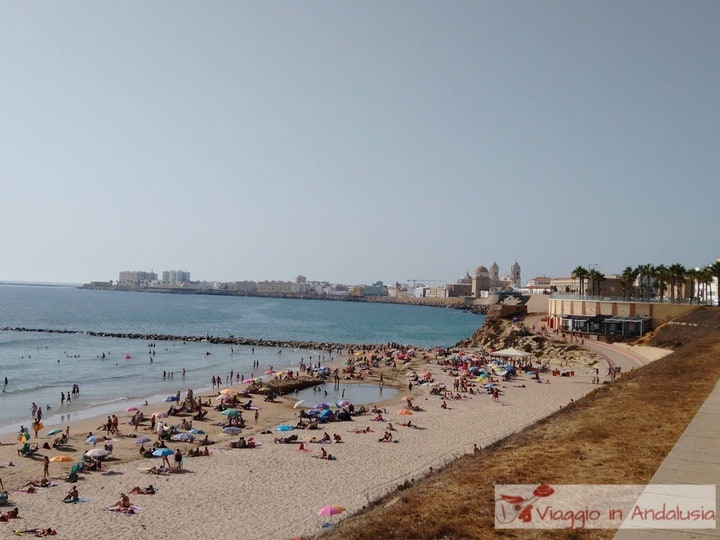
Just outside the historic centre, no more than a 15-minute walk from the Cathedral, lies the Playa Santa María del Mar, a little larger than La Caleta but by no means less busy. It is an urban beach, convenient and easy to reach, nestled between two breakwaters and facing the seafront that leads to the more modern part of Cádiz. Precisely because of its location, however, it is not the ideal choice if you are looking for peace and tranquillity, especially during the summer months.
Its greatest asset, however, is the view: choosing this beach you can bathe with the golden dome of the Catedral Nueva and the silhouette of the old town as your backdrop, which we discuss at length in our article on what to see in Cádiz. Compared with La Caleta, it offers more space to stretch out and often has sea conditions more suited to swimming, although it remains a very popular city beach. In the surrounding area you’ll find bars, restaurants, easy access from the seafront and basic beach facilities in season, making it a good option for those who want to combine the sea with a visit to the centre without having to go too far.
Playa de la Victoria
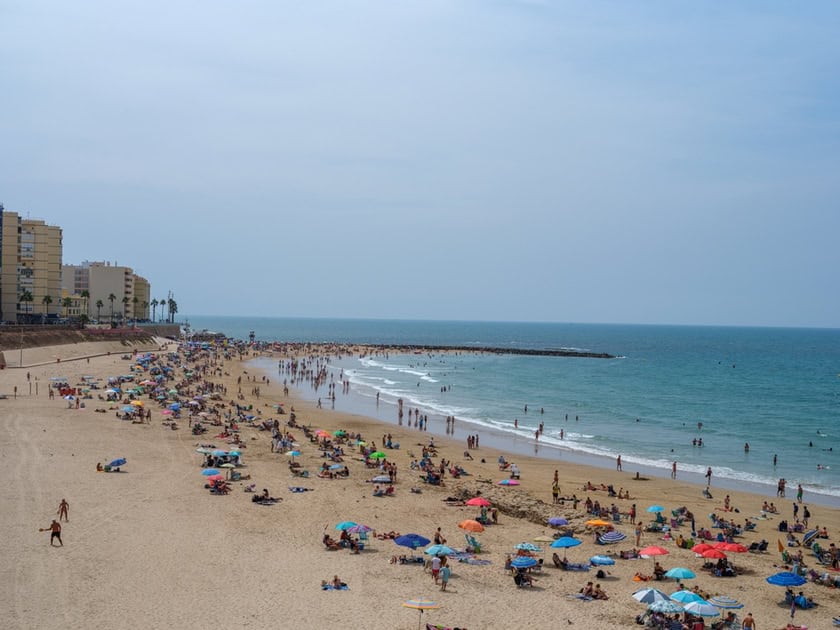
As you move away from the old town along the Paseo Marítimo, Cádiz takes on a different face: the compact image of the ancient city ends and that of a seaside town facing the Atlantic begins. The star is Playa de la Victoria, a very long urban beach repeatedly awarded the Blue Flag — wide, sandy and very well-equipped, with showers, toilets, convenient access points, chiringuitos, restaurants and seafront hotels
Cortadura Beach
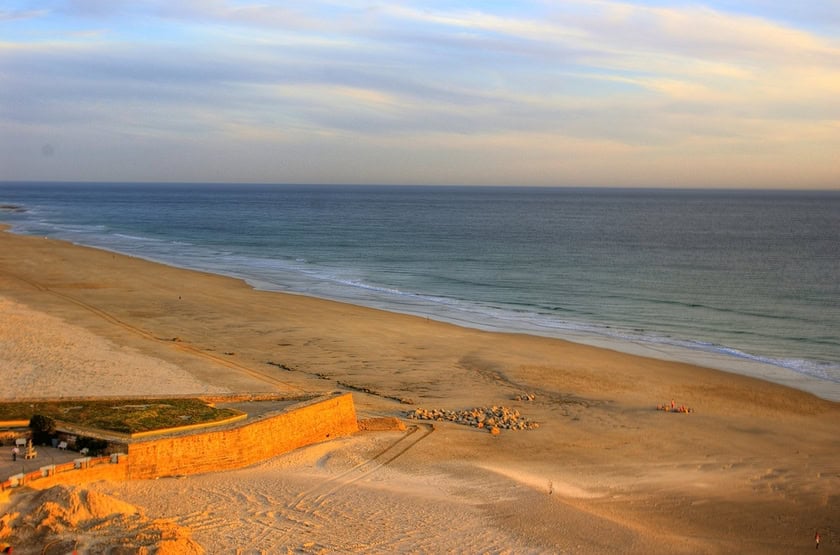
Continuing on towards the Cortadura district, the urban fabric thins out and the coastline becomes more open, giving way to dunes and opening up the ocean landscape with no houses or buildings in sight. The eponymous Playa de la Cortadura is the beach to choose if you want to stay near Cadiz while getting a little away from the more touristy, urban area. It isn’t a remote beach, but compared with Playa de la Victoria and the other two beaches it has a more natural character.
Advice on where to stay in Cádiz
Continuing along the coastal road, you’ll find the two towns of San Fernando and Sancti Petri, set in a marshy area largely given over to fishing. Of the two, Sancti Petri is the better option, but it’s nothing compared with the charm of a place like Conil de la Frontera.
The beaches of Conil de la Frontera: a stretch of golden sand on the Atlantic
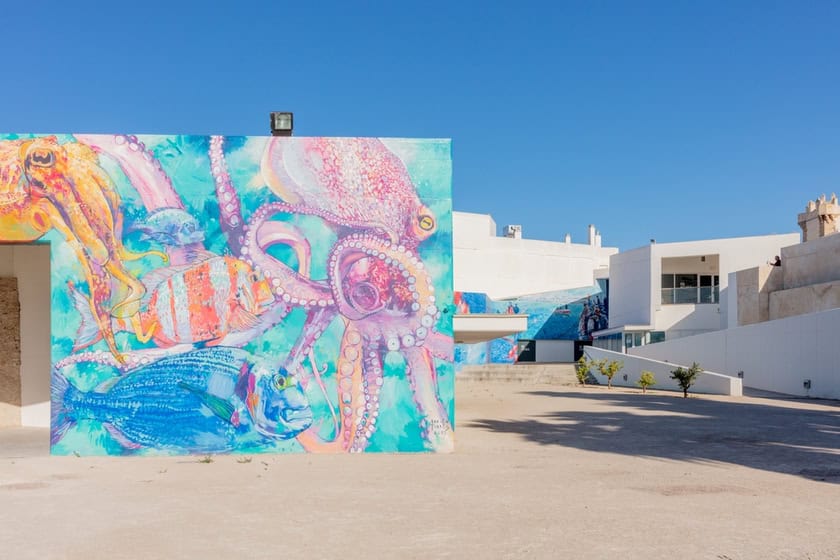
Not far from the splendid town of Vejer de la Frontera (which also has its own beach, El Palmar, a pride for the people of Cádiz), you will find Conil de la Frontera, a lively and very ancient town of Phoenician origins long devoted to tuna fishing. In recent years Conil has established itself as a tourist destination because of its long beaches facing the Atlantic: Playa de la Fontanilla is located to the north of Conil, in the La Fontanilla area; Playa de los Bateles stretches out in front of the town and is very popular with families. Then, south of the Rio Salado, the beach continues uninterrupted all the way to the Trafalgar lighthouse, amid sand dunes as far as the eye can see (notable is the Playa de Zahora), surf schools and chiringuitos (beach kiosks).
One final tip: if you want a small sheltered beach for windy days, seek out the beautiful Playa Fuente del Gallo and the nearby Cala del Aceite, north of La Fontanilla, 6 km from Conil (3.7 miles) you won’t regret it! To the north of the town, because of the geological formation of the coastline, there are many beaches of this kind, as you can read in our article on the beaches of Conil.
All available accommodation in Conil
Los Caños de Meca: a paradise of sand and rock
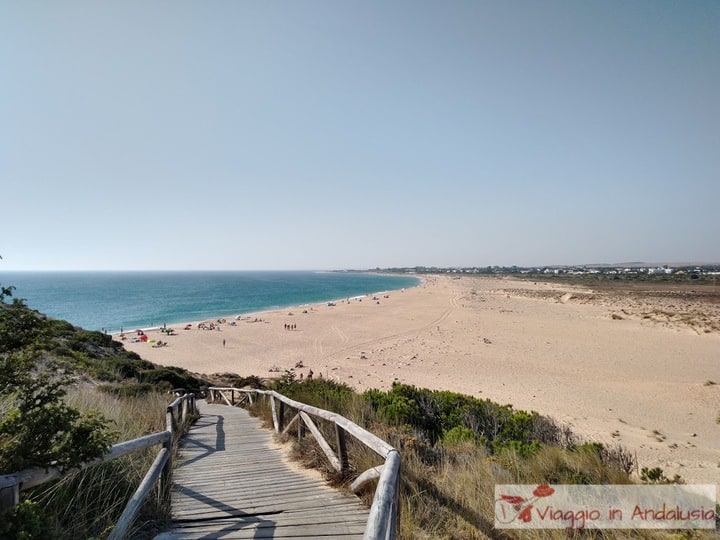
Behind the tip of Cabo de Trafalgar, bathed by clear, calm waters, lie some of the most beautiful beaches on the entire Costa de la Luz. Arriving at the small, carefree village of Los Caños de Meca, home to surfers and naturists, you’ll immediately notice that the coastline becomes more varied and, at times, unspoilt: you won’t find only the classic golden‑yellow sand dunes but also smaller, more sheltered beaches such as the Playa del Pirata and, if you’re a little patient, beneath the Trafalgar lighthouse (yes, the one from the battle!) and to the south of the houses you’ll find the Playa de Zahora, where you can take a dip in solitude (or almost) without having to face the dangerous ocean waves.
After Caños, on the road to the port town of Barbate, a very rugged stretch of coastline begins, offering spectacular views over the Atlantic Ocean. This is the Parque Natural de Acantilado, also known as La Breña: the walk, about 7 km long (4.3 miles), runs along the cliffs and reaches Barbate.
All available accommodation in Los Caños de Meca
The beaches of Zahara de los Atunes: sea and seafood tapas, what else?
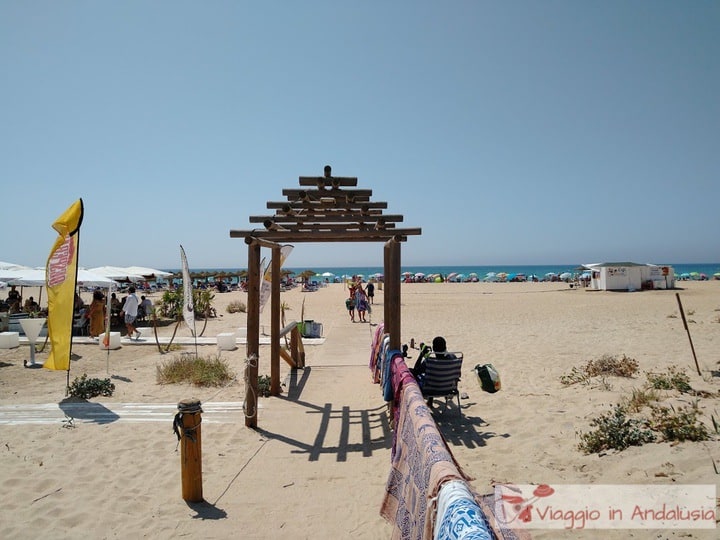
After the beaches of Barbate, we come to those of Zahara de los Atunes, a tiny fishing village typical of the Costa de la Luz: aside from its stunning beaches, this town has something of a reputation for seafood restaurants, so it’s worth stocking up on tapas. The Playa de Zahara de los Atunes is about 8 km long (4.9 miles), but tourism is rapidly expanding and there are therefore plenty of hotels, restaurants and chiringuitos on the beach. If you want to find a slightly more sheltered spot, head to the nearby Playa de Camarinal, in the upmarket resort of Atlanterra, a less‑trodden stretch of beach in the shadow of the lighthouse.
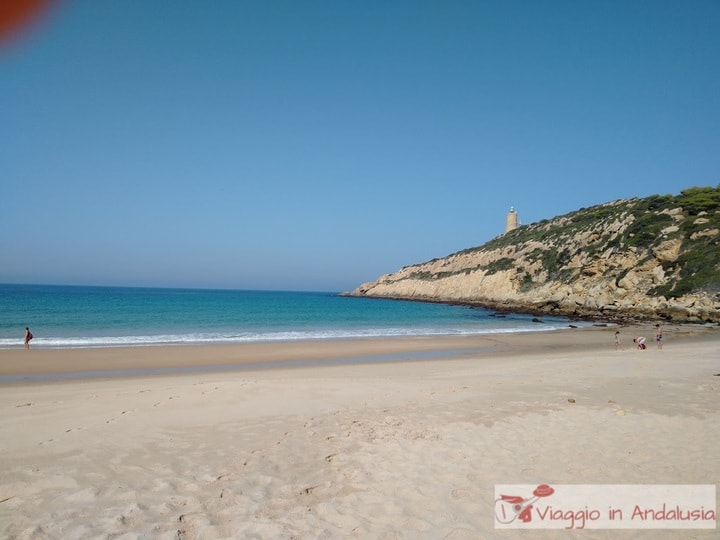
Pss… don’t tell anyone, but there’s another beach even more secret and unspoilt: it’s called Playa del Cañuelo, and it’s hidden behind the headland on which the Camarinal lighthouse stands. You’ll spot it after a pleasant walk of about 20 minutes, starting right from the lighthouse. If you can’t find the path, tag along with someone who knows the place — you’ll certainly find someone! The water at this beach is a bit chilly (as are all ocean waters), but so clean I didn’t want to get out.
All places to stay in Zahara de los Atunes
Bolonia Beach: an immense dune overlooking crystal‑clear waters
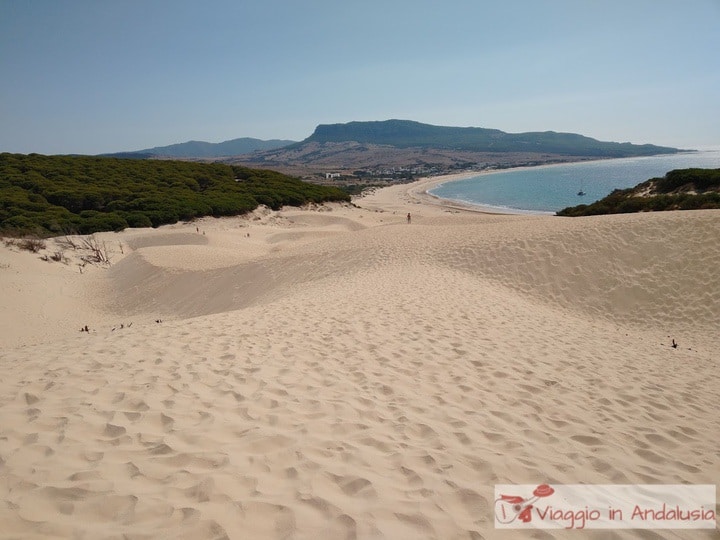
Often overshadowed by Tarifa’s fame, the Bolonia beach is actually a really interesting place to visit and, fortunately, still fairly unspoilt, owing to the particular nature of the site, which is reached via a winding minor road. This beach, also known as Cala del Tesorillo, is topped by an impressive sand dune that looks out over the endless stretch of sand.
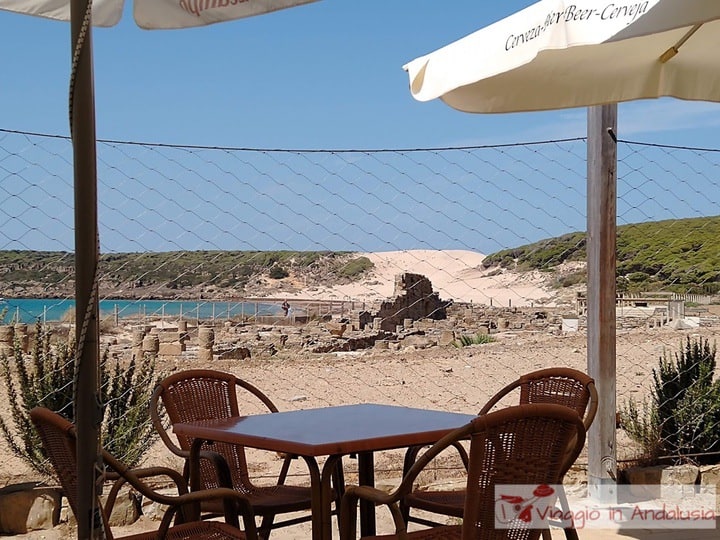
You could brave the wind blowing across the dune and make your way to the top to enjoy the panoramic view of the sea. Not far from the beach stand the ruins of Baelo Claudia, a Roman site from pre-Christian times (here the opening times). If you want to walk a little less to reach the dune, park your car in the archaeological park’s car park and access the beach from there: the other car parks (donation-based) are a little further away.
All available accommodation in Bolonia
The beaches of Tarifa: a mecca for surfers
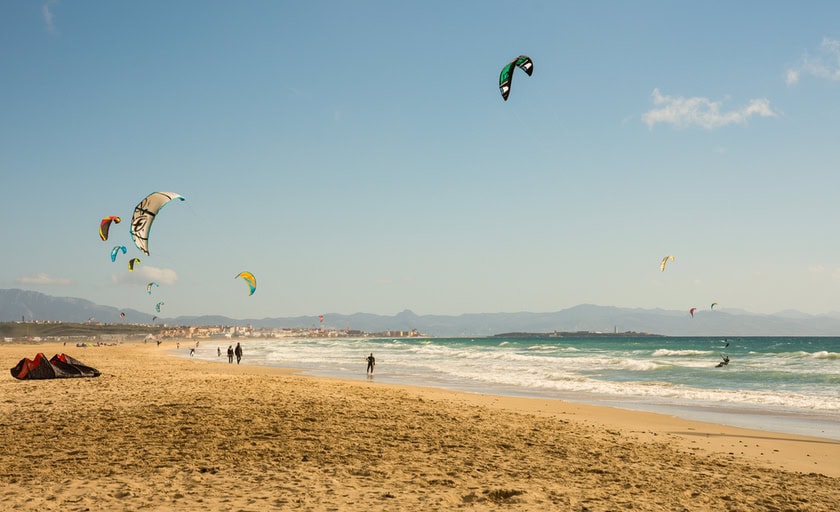
In the province of Cádiz, there’s no shortage of beautiful, relaxing beaches, but what if our approach to the holiday is more sporty? What to do? There is a particular stretch of coast that is an absolute must for any sports lover visiting the Costa de la Luz: Tarifa. The main reason behind the great renown of Tarifa’s windy beaches is the area’s perfect conditions for water sports: windsurfing and kitesurfing enthusiasts regard them as one of the world’s benchmark spots for those disciplines.
If you plant your parasol on the famous and vast Playa de los Lances, you will be dazzled and captivated by the colourful flurry of kites dancing across the blue sky. If, instead, you’re looking for a smaller, sheltered beach, head into the centre of Tarifa in search of the Playa Chica, near the port, on the road to Isla de Palomas.
Other beaches popular with surfers, but a little less crowded, lie north of Tarifa, towards the Ensenada de Valdevaqueros and Playa de Punta Paloma: here is a detailed guide to the best beaches of Tarifa, which I recommend you read to choose the one that suits you. To organise a complete visit to the town, I also suggest reading our tips on what to see in Tarifa.
All available accommodation in Tarifa
The beaches of Algeciras: little pockets of paradise in an industrial city
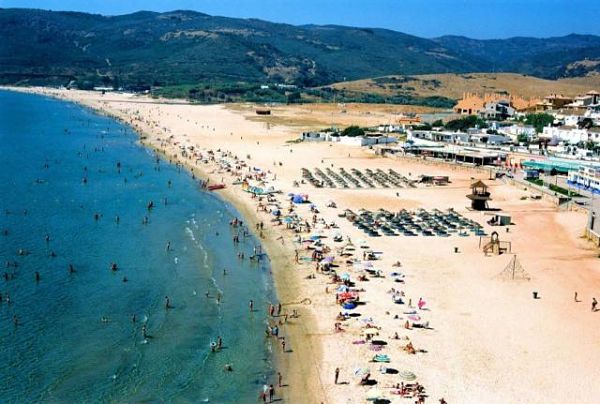
You won’t have much to do in Algeciras, apart from visiting the San Isidro neighbourhood and Plaza Alta and enjoying a good few swims in the sea! There are some fairly well-known beaches in this area, but it’s worth remembering that you’re in a heavily industrialised urban setting, quite different from the landscapes of the Costa de la Luz. We therefore recommend the Playa de El Rinconcillo and the Playa de Getares, the latter a little more sheltered and further from the centre.
All available accommodation in Algeciras
The beaches of Gibraltar: playa or beach?
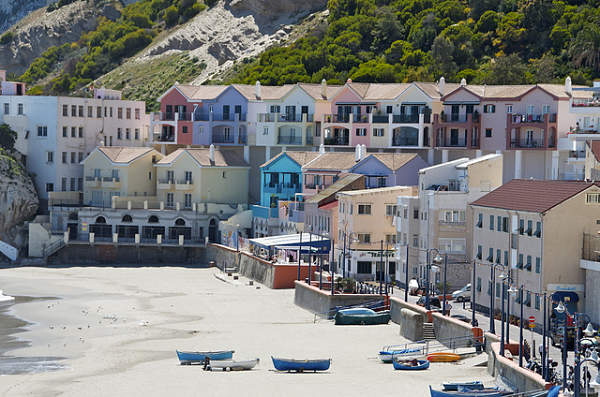
Finally, for completeness, although it is not part of the province of Cádiz, we also want to point out the beaches of Gibraltar, the quirky British colony in Andalusia, which is not exactly known for seaside tourism. Yet, in the shadow of the famous Rock, a few small beaches stretch out that are worth visiting if you are in the area: we recommend the tiny Catalan Bay, framed by little English-style cottages. More info in the article What to see in Gibraltar!
All available accommodation in Gibraltar
We have therefore reached the end of this overview of the southern Costa de la Luz. As you will have realised, in the province of Cádiz, beaches to visit are plentiful, and you’re spoilt for choice: those we’ve described are our favourites, but the beauty of the Costa de la Luz is that its untamed nature always invites adventure and the discovery of new, small, secret corners of paradise.
The journey continues… the northern Costa de la Luz!
If you enjoyed these beaches, why not continue your tour to discover the northern Costa de la Luz? From the beaches of El Puerto de Santa Maria to the resorts on the Huelva coast, there are plenty of destinations you could choose for your summer holiday on this side of Andalusia!
